
Implementing AS/RS Smart Warehouse: 7 Steps for Vietnamese SMEs
Detailed guide on 7 steps to implement AS/RS from needs assessment, technology selection, WMS software integration, to employee training for small and medium logistics and manufacturing enterprises. Includes selection criteria, estimated costs, and real case studies from Vietnam.
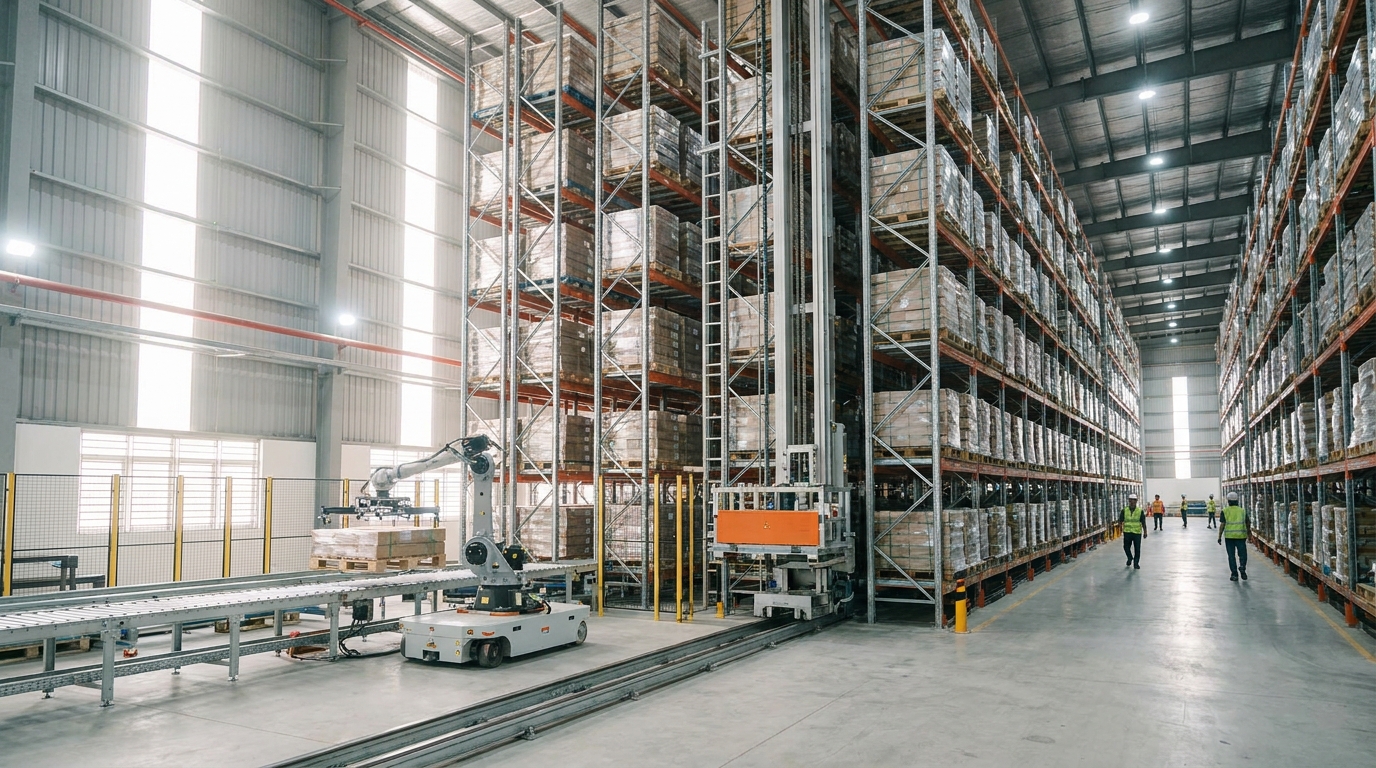
The AS/RS (Automated Storage and Retrieval System) is a smart warehouse solution integrating automated cranes, storage robots, and WMS software to automate the entire goods receiving, shipping, and storage process. In Vietnam, logistics, electronics manufacturing, and FMCG distribution enterprises are accelerating AS/RS deployment to reduce labor costs (30-40% savings), increase processing speed (3-5 times faster than manual warehouses), and reduce storage error rates to below 1%.
Why Vietnamese SMEs need to deploy AS/RS now?
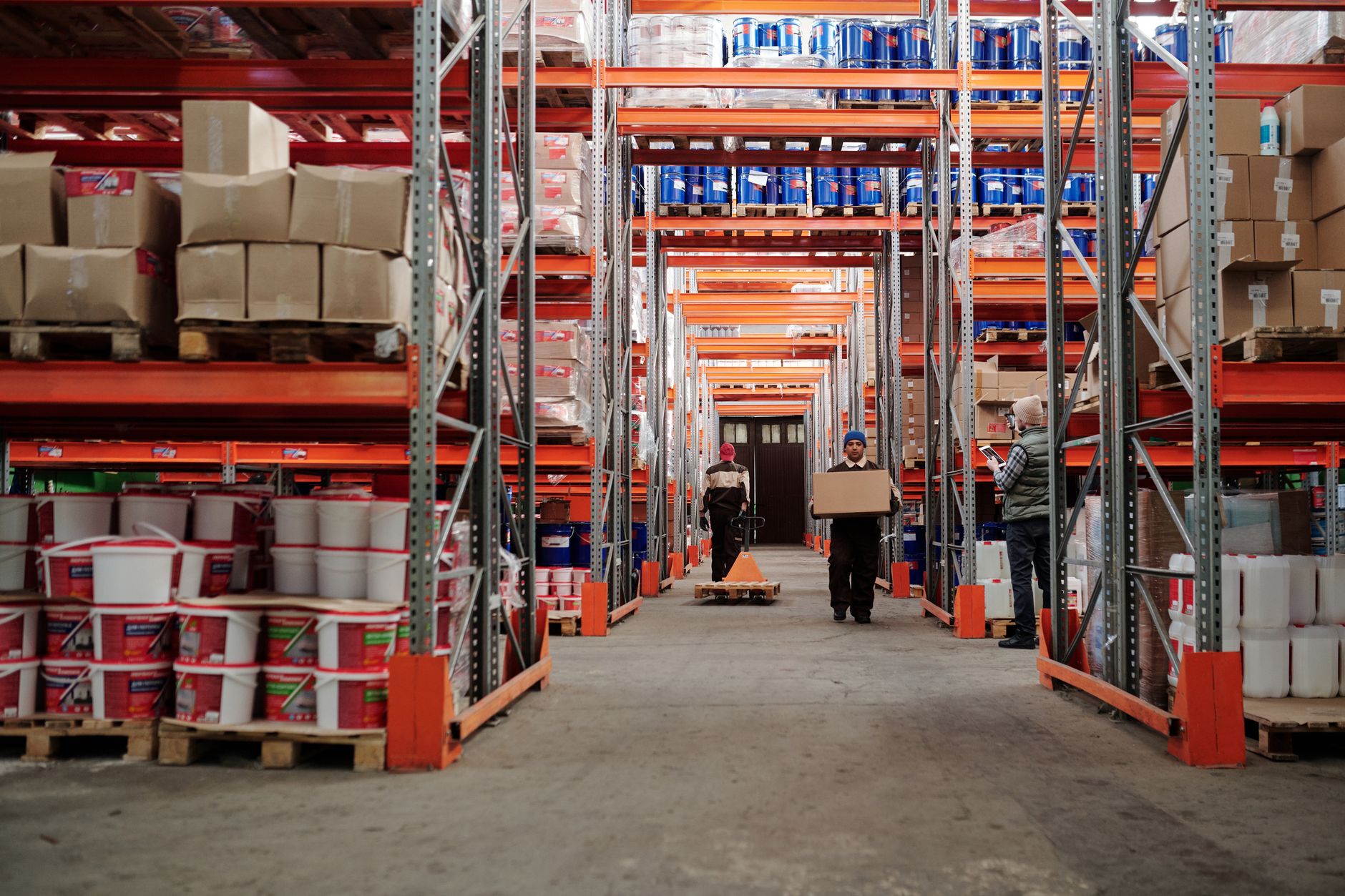
Small and medium enterprises are facing pressure from rising labor costs, a shortage of unskilled labor, and the need for faster order processing. AS/RS solves these three problems simultaneously, allowing SMEs to compete with large corporations on a logistics scale. Additionally, AS/RS deployment costs have decreased by 25-35% over the past 3 years thanks to new-generation Shuttle and Miniload technology.
⚠ Problem 1: Warehouse labor costs increase by 12-15% annually, making it difficult to recruit unskilled labor in industrial zones.
⚠ Problem 2: Storage and picking error rates of 3-5%, leading to customer complaints and high return costs.
⚠ Problem 3: Order processing time of 4-8 hours, failing to meet the same-day delivery requirements of e-commerce.
⚠ Problem 4: Manual warehouses occupy large areas (6-10 times compared to AS/RS), with high rental costs in major cities.
Step 1: Needs assessment and feasibility analysis
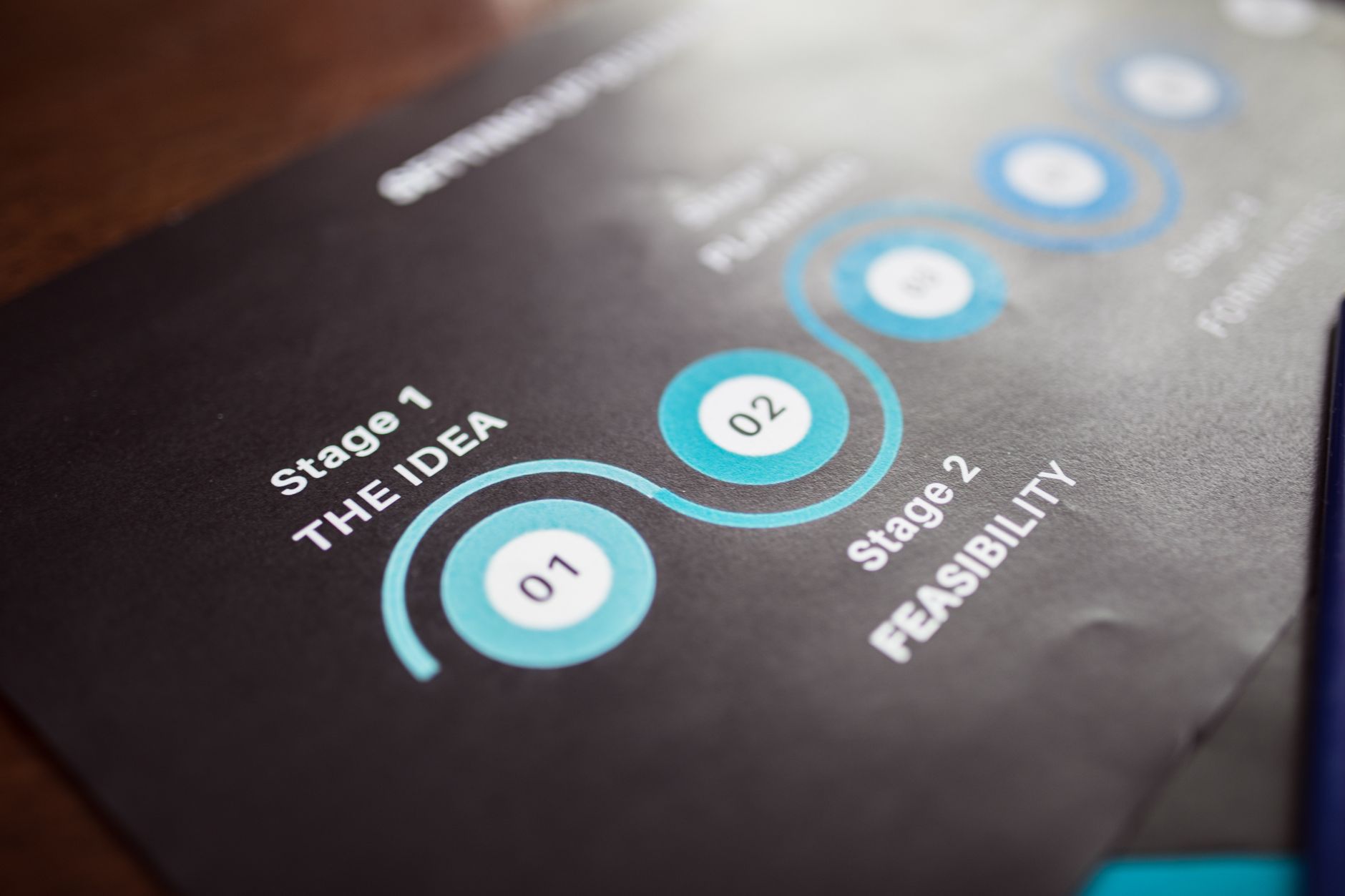
Before deciding to deploy, the enterprise must answer 5 core questions: (1) Current warehouse size (m²) and projected size for the next 3-5 years? (2) Number of SKUs (product types) and movement ratio (fast-moving vs slow-moving)? (3) Daily throughput (pallet/carton) and picking model (FIFO/LIFO/random)? (4) Available investment budget (capex)? (5) Expected ROI timeframe? The answers will determine which type of AS/RS is suitable.
- Data collection: Maximum pallets/cartons stored, average time to pick one order, current warehouse staff count, monthly labor costs.
- Flow mapping: Draw a diagram of receiving, storage, picking, inspection, and packing areas. Identify bottlenecks.
- Preliminary ROI calculation: Annual labor cost savings vs. AS/RS deployment cost (capex + 5-year opex).
- Determine AS/RS type: Stacker Crane (pallet, height 10-15m), Shuttle (pallet, flexible), or Miniload (carton, high speed).
- Select supplier: Compare 3-5 suppliers on price, deployment time, warranty, and after-sales support.
Step 2: Selecting the AS/RS Type Suitable for Your Industry
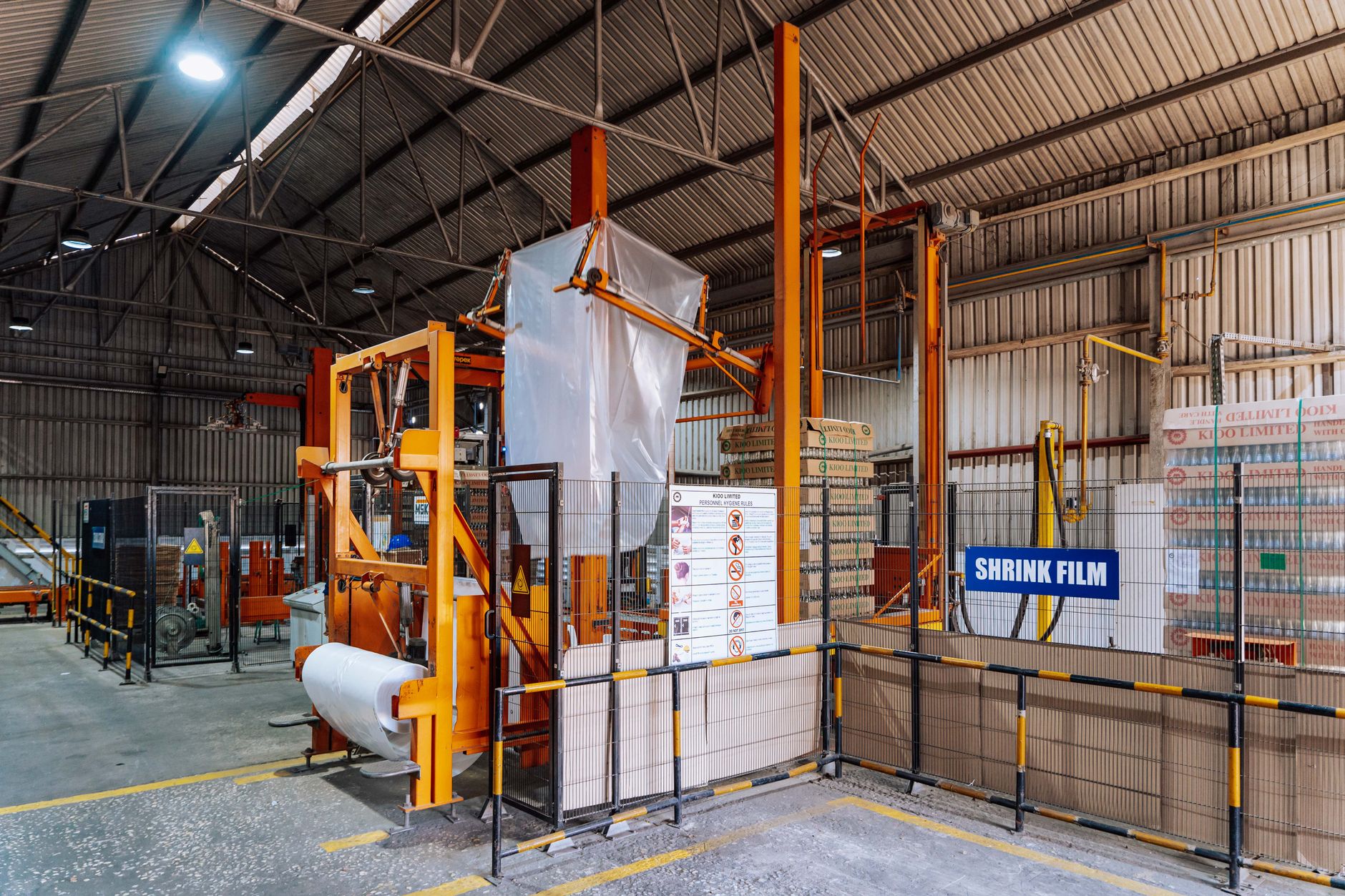
There are three main types of AS/RS popular in Vietnam, each serving different needs. Stacker Crane is suitable for large warehouses (1000+ pallets) requiring long-term storage and high height (10-15m). Shuttle is suitable for medium warehouses (300-800 pallets) requiring flexible configuration adjustments. Miniload is suitable for carton/tote warehouses (100-500 SKUs) requiring high speed (200-400 picks/hour). The comparison table below helps with the decision:
| Criteria | Stacker Crane | Shuttle System | Miniload |
|---|---|---|---|
| Max pallet/carton scale | 1000-5000 | 300-1000 | 100-500 |
| Storage height | 10-15m (high) | 6-10m (medium) | 3-6m (low) |
| Picks per hour | 60-120 | 80-150 | 200-400 |
| Capex cost (billion VND) | 15-35 | 8-18 | 5-12 |
| Suitable industries | Logistics 3PL, automotive manufacturing | FMCG, distribution, electronics | E-commerce, pharmaceuticals, fashion |
Step 3: Integrating WMS and ERP Software
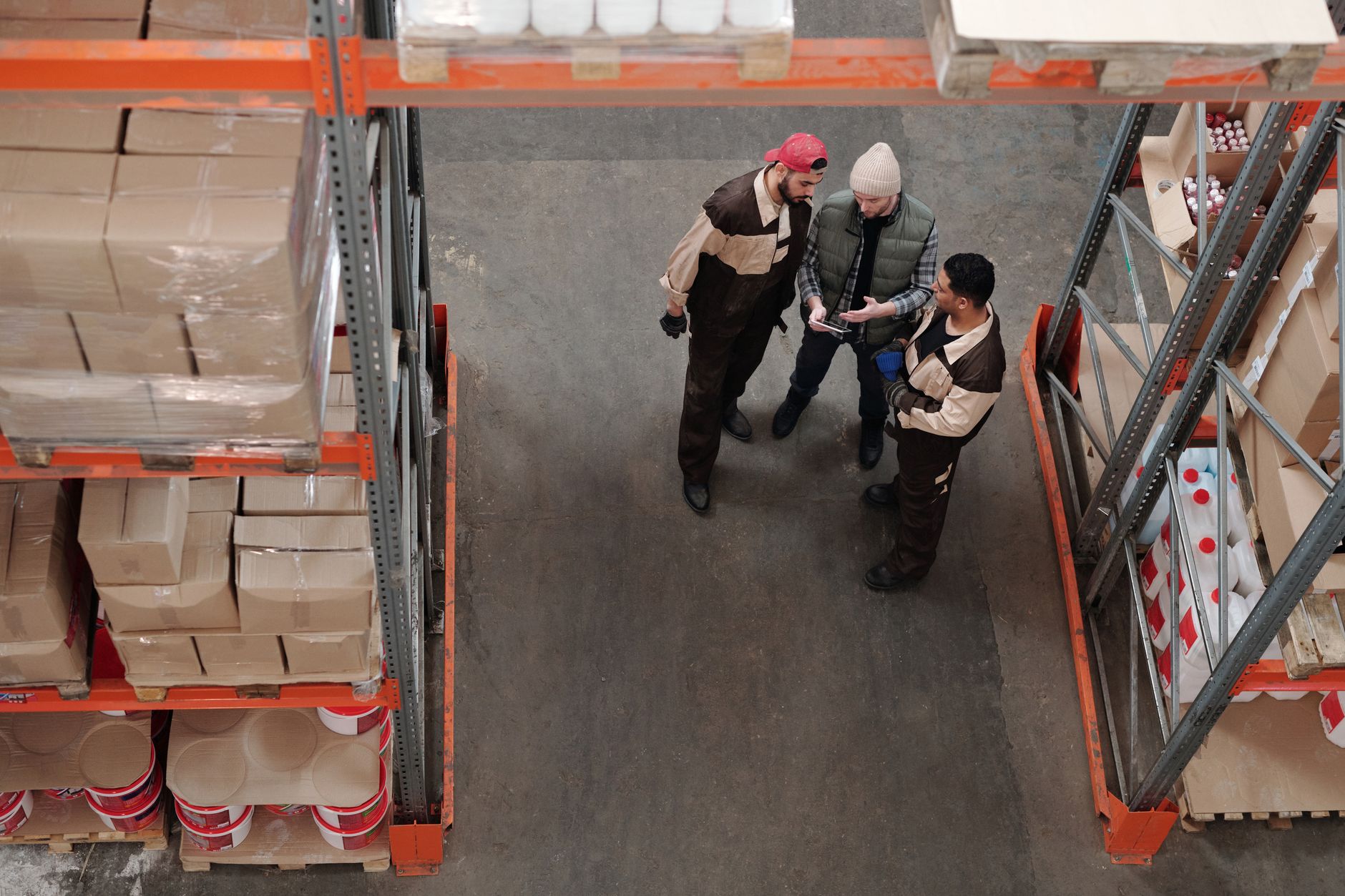
AS/RS cannot operate independently — it must connect to a WMS (Warehouse Management System) to receive picking orders, update inventory in real-time, and optimize routes. Businesses must choose a WMS capable of API integration with AS/RS, supporting barcode/RFID, and allowing workflow customization. Additionally, the WMS must connect to the company’s ERP to synchronize orders, forecast demand, and generate financial reports. Integration time is typically 4-8 weeks, requiring thorough data preparation and testing.
Step 4: Preparing Physical and Electrical Infrastructure
AS/RS requires stringent physical infrastructure: the floor must have a level accuracy of ±50mm (for stable crane operation), stable 3-phase 380V power with 20-30% backup, a cooling system maintaining 15-25°C temperature, and a low-latency LAN network (<100ms) for real-time control. Businesses must thoroughly inspect these factors before signing the contract, as post-deployment repairs are very costly (costs can be 2-3 times higher than expected). It is advisable to create a checklist together with the AS/RS supplier.
Step 5: Deploy AS/RS and Test the System
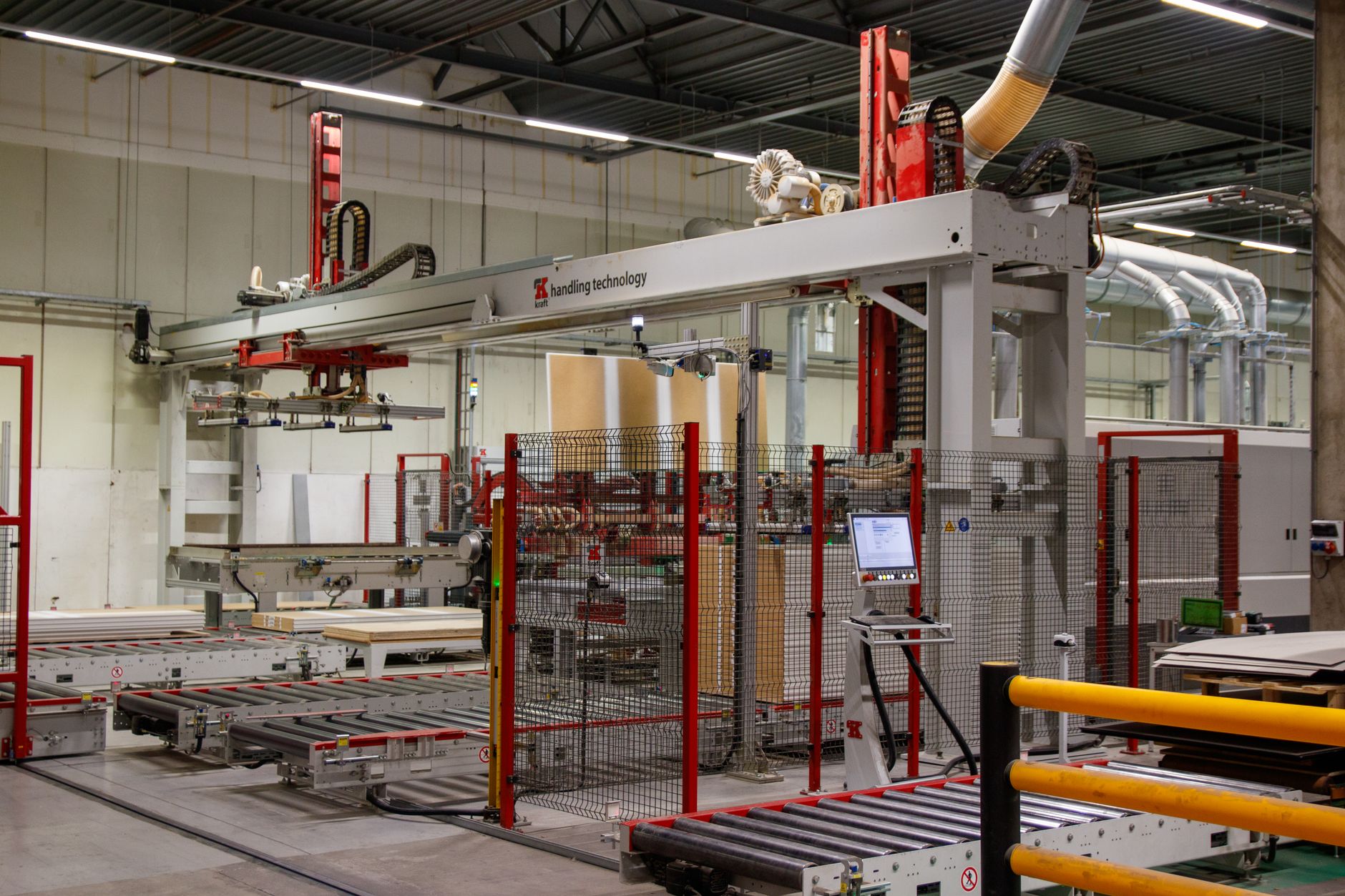
The deployment phase lasts 8-16 weeks, divided into 5 phases: (1) Mechanical assembly of cranes, rails, and pallets; (2) Installation of control systems (PLC, sensors); (3) WMS software installation and integration testing; (4) Empty run testing to calibrate speed and accuracy; (5) Loaded run testing with real goods to verify performance. Each phase must have a sign-off from both the supplier and the enterprise. Avoid rushing into official operation before completing thorough testing.
Step 6: Train Operations and Maintenance Staff
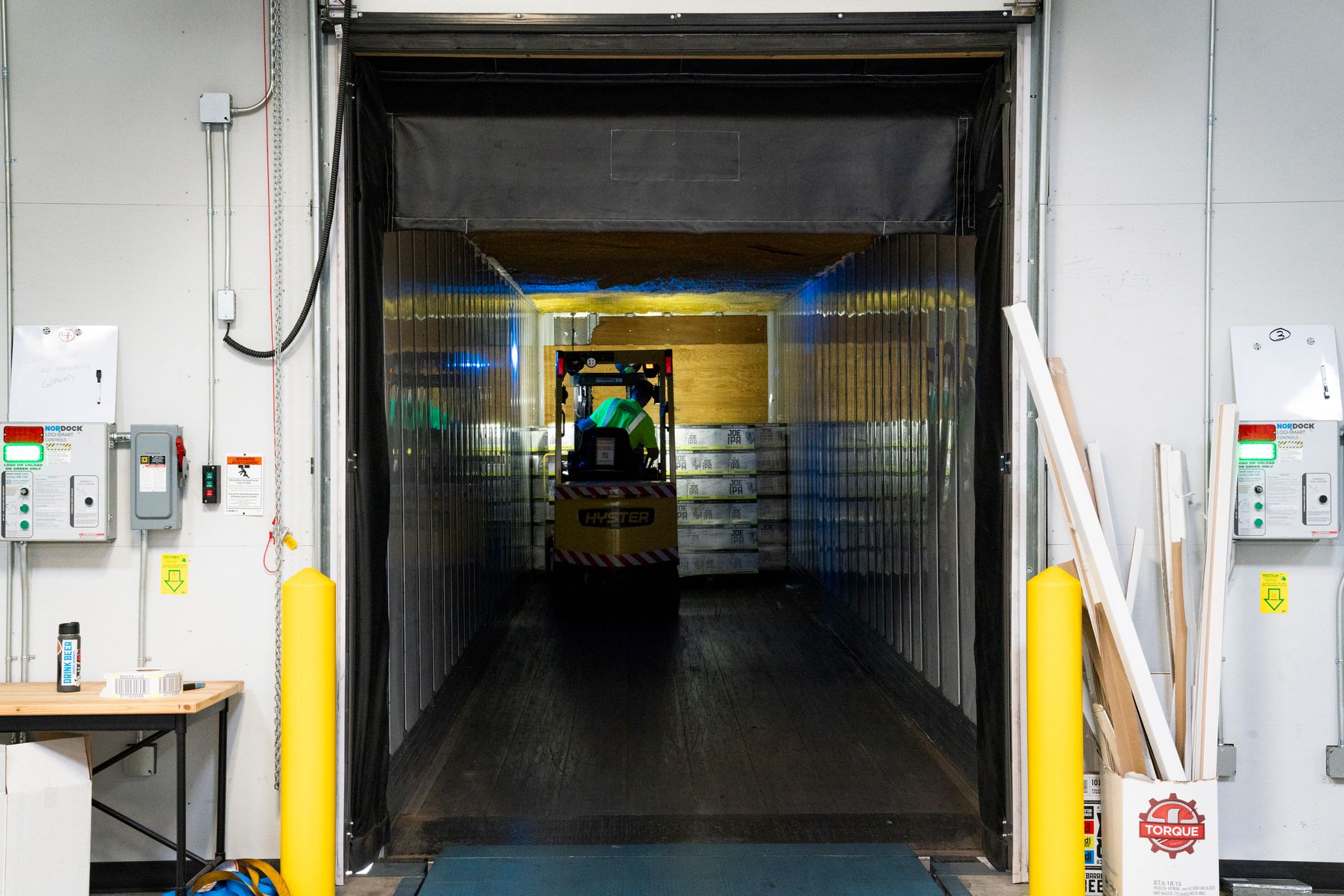
AS/RS requires a deeply trained workforce. Train 2-3 main operators (shift leads) on the WMS interface, common error handling, and emergency procedures (emergency stop, manual retrieval). Train 1-2 maintenance technicians on mechanics (bearing replacement, rail alignment), electrical systems (sensor checks, PLC), and software (firmware updates, data backup). Suppliers typically provide 2-3 weeks of on-site training, followed by remote support for the first 6 months. Investment in training will reduce downtime by 30-50%.
Step 7: Operate, Optimize, and Expand
After 3 months of official operation, the enterprise should conduct a performance audit: measure actual retrieval speed vs. projections, error rate, downtime, and energy costs. This data helps identify optimization points (e.g., adjusting crane speed, rearranging item locations by retrieval frequency). After 12-18 months, if results are positive, the enterprise can expand the AS/RS by 1-2 bays or upgrade to a fully automated warehouse with AGVs (Automated Guided Vehicles) for pallet transport between zones.
📊
Increase Efficiency by 3-5 Times
Throughput increases from 50-100 pallets/day to 200-400 pallets/day thanks to automated retrieval speed.
💰
Save 30-40% on Labor Costs
Reduce required warehouse staff by 50-70%, transitioning them to higher-value tasks (packing, quality control).
✓
Reduce Errors to <1%
The system automatically selects precise storage locations, eliminating human picking errors.
🏢
Save 60-70% on Space
AS/RS utilizes warehouse height (10-15m), reducing required floor space from 1000m² to 300-400m².
📈
ROI in 18-24 Months
Savings on labor costs + floor space recover the investment within 1.5-2 years.
🔄
High Scalability
Modular structure allows adding bays or levels without stopping warehouse operations.
Application of AS/RS in 3PL Logistics in Vietnam
3PL logistics companies (e.g., GHN, Grab Express, AHA) are deploying AS/RS to handle the surge in cargo throughput from e-commerce. A 3PL logistics center in Binh Duong with 500,000 pallets/month uses Shuttle AS/RS combined with WMS, reducing processing time from 6 hours to 2 hours, enabling same-day delivery for 80% of orders in Ho Chi Minh City. The implementation cost of 12 billion VND was recouped within 20 months thanks to labor savings and increased revenue.
Application of AS/RS in Automotive and Parts Manufacturing
The automotive manufacturing industry requires precise parts management, complying with ISO 9001. Stacker Crane AS/RS is deployed at assembly plants to store 5000+ types of parts, providing Just-In-Time (JIT) supply to production lines. A factory in Long An with 200 production employees using AS/RS reduced wrong-part errors from 2-3% to 0.1%, increasing production productivity by 25% without needing to hire additional warehouse staff.
Application of AS/RS in FMCG and Distribution
FMCG distribution chains (e.g., Coca-Cola, Nestlé, Unilever) use Shuttle AS/RS to manage goods by expiry date, applying automatic FIFO (First-In-First-Out). A distribution warehouse in Hanoi storing 300,000 boxes/week from 50+ manufacturers, after deploying AS/RS, reduced the rate of expired goods from 3% to 0.2%, saving inventory costs of 800 million VND/year.
Are you considering deploying AS/RS for your business?
Việt Đức Trí Group provides comprehensive smart warehouse solutions: from needs assessment, technology selection, system implementation, to operational training. We have supported 30+ Vietnamese enterprises in successfully deploying AS/RS, with an average ROI of 20 months.
Contact us now for a free consultation: 0935 295 337 or [email protected]
Common Risks When Deploying AS/RS
Enterprises need to be mentally prepared for the following risks: (1) Implementation delays due to unprepared infrastructure, extending the timeline by 4-8 weeks; (2) Budget overruns due to mid-course requirement changes, increasing costs by 15-25%; (3) Initial downtime of 4-8 weeks because staff are not yet proficient with the system; (4) Slow WMS integration if the old ERP does not support APIs; (5) Difficult maintenance without skilled technicians. To mitigate risks, choose a supplier with 10+ years of experience, require a 3-5 year warranty contract, and set aside a 15-20% contingency in the budget.
Comparing AS/RS with Other Smart Warehouse Solutions
Besides AS/RS, businesses can consider alternative solutions: (1) Automated Shuttle Rack — 20-30% lower cost but slower speed; (2) AGV Robots (Automated Guided Vehicle) — more flexible but require complex infrastructure; (3) Collaborative Robots — suitable for small warehouses (<100 pallets/day). The table below provides a detailed comparison:
| Solution | Capex Cost | Speed | Flexibility | Suitable Scale |
|---|---|---|---|---|
| AS/RS (Stacker Crane) | 15-35 billion VND | High (60-120/h) | Low | Large warehouse (1000+ pallets) |
| Shuttle AS/RS | 8-18 billion VND | High (80-150/h) | High | Medium warehouse (300-1000 pallets) |
| AGV Robots | 5-12 billion VND | Medium (40-80/h) | Very High | Flexible, multi-zone warehouse |
| Collaborative Robots | 2-5 billion VND | Low (20-40/h) | Very High | Small, versatile warehouse |
Related Articles
To gain a deeper understanding of smart warehouse solutions, please refer to the following articles:
- Automated Warehouse Racks Reduce Operating Costs by 40% for Medium Warehouses
- VietPOS Rack Deploys 1500 Storage Density Pallets for Tay Ninh Factory
- What is Shuttle Rack? Operating Principle and Comparison with Stacker Crane
- Drive-In Rack vs Pallet Shuttle: Which Solution to Choose for a 500m² Warehouse?
- VietPOS Rack Completes Selective Racks for Binh Duong 5000m² Logistics Center
Frequently Asked Questions about AS/RS Implementation
Below are common questions from SME businesses when considering AS/RS implementation, helping you better understand the process, costs, and realistic expectations.