
Domestic vs imported cable trays: Cost & quality 2026
Comparison of domestic and imported cable trays and ladders: pricing, delivery time, after-sales support, technical standards. Why Viet Easy's Long An factory can compete with foreign products — and when you should choose each type.
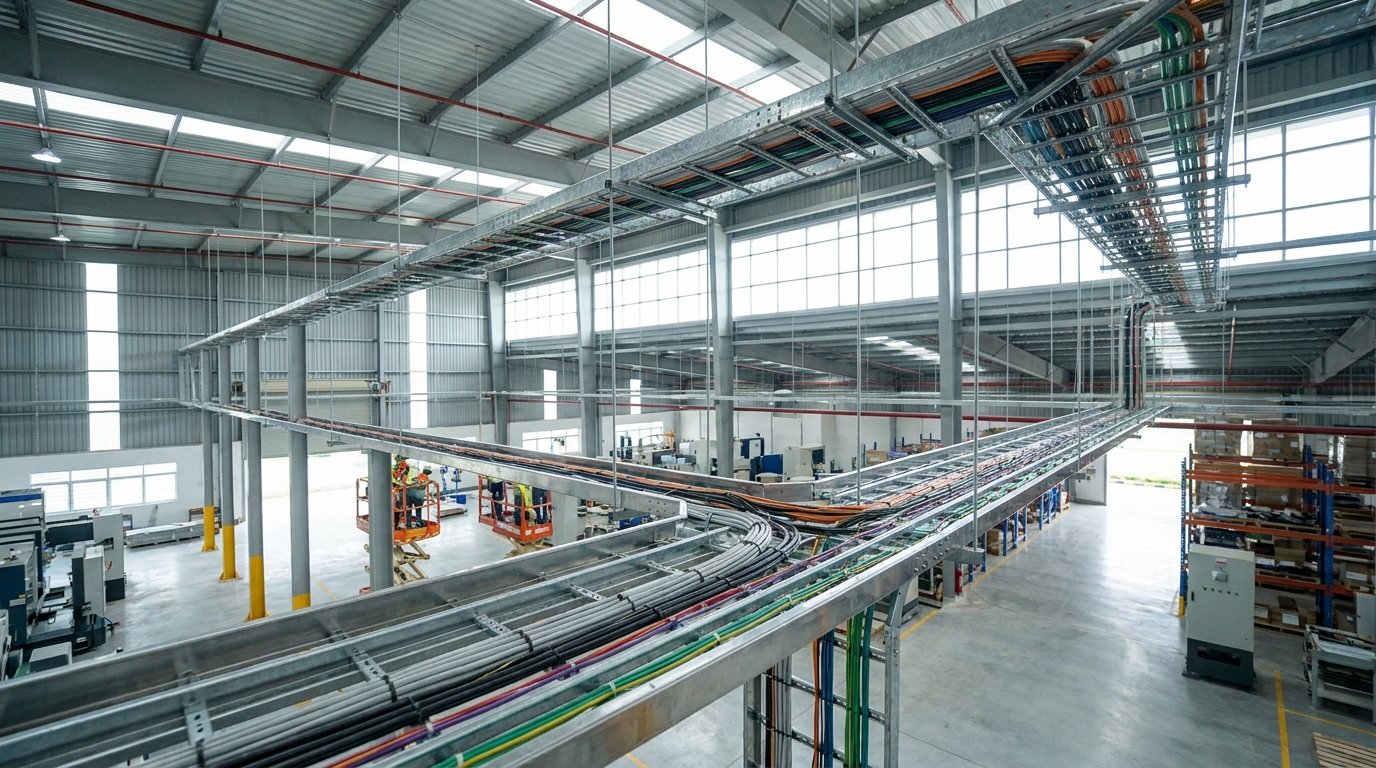
Cable trays are an indispensable solution for managing electrical cables in industrial electrical systems, office buildings, and industrial parks. This article provides a detailed comparison between domestic and imported cable trays — from initial purchase cost, delivery time, lifespan, to warranty service and international standard compliance. Through a real-world case study from the Long An factory, you will be able to choose the type suitable for each application and budget.
What are domestic cable trays — and who are they for?
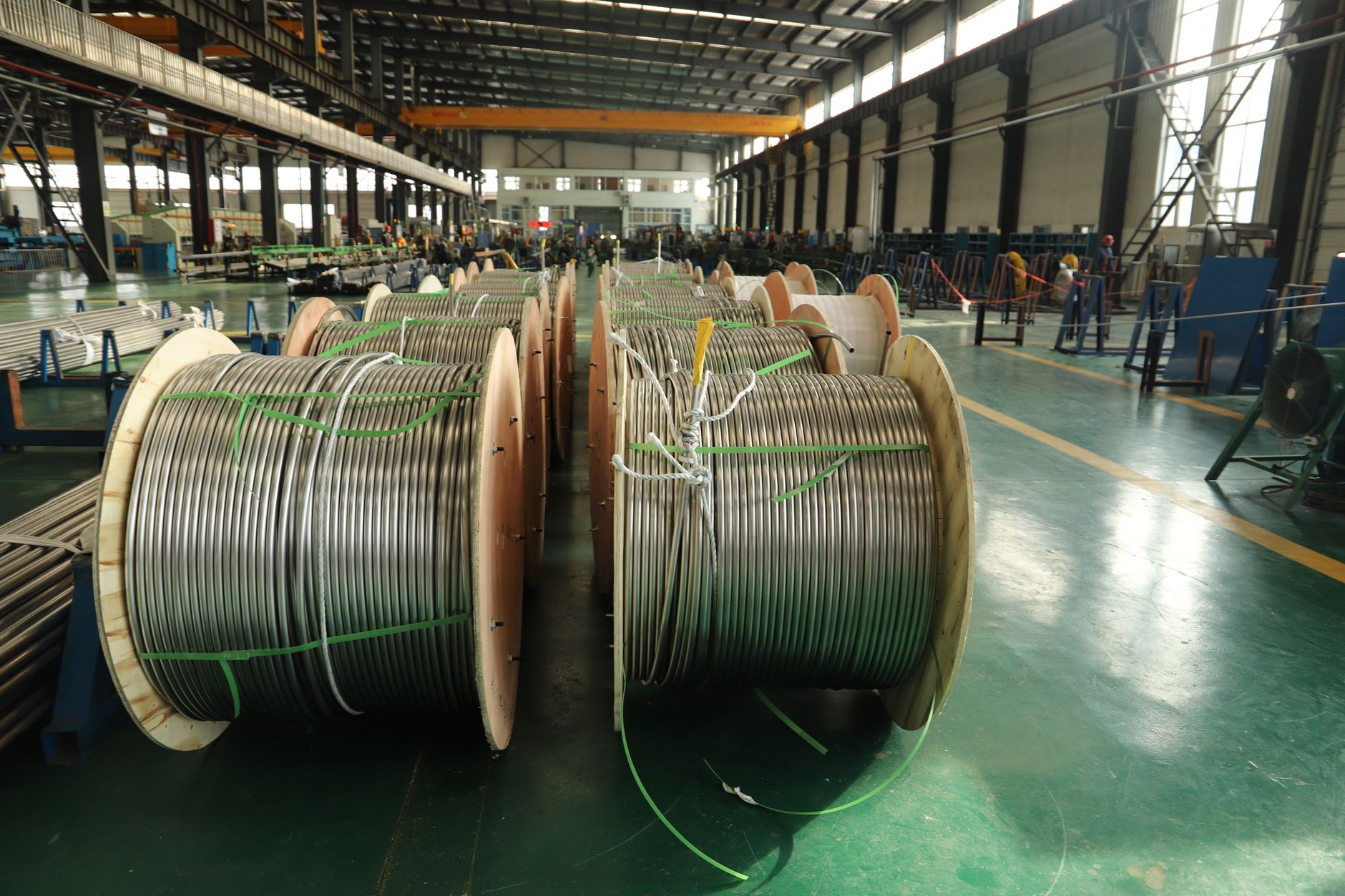
Domestic cable trays are products manufactured in Vietnam, typically complying with IEC 61537 or JIS C 8530 standards. Domestic factories like Việt Easy (Long An) use galvanized steel, electrostatic powder coating, or stainless steel depending on the application. Suitable for: M&E contractors, industrial park factory management, electrical engineers with tight budgets, or projects requiring fast delivery (7-15 days).
- Fast delivery: 7-15 days (compared to 30-45 days for imports)
- Purchase cost 25-40% lower than foreign products
- Vietnamese technical support, 12-24 month warranty
- Complies with international standards (IEC, JIS) — not low-quality goods
Imported cable trays — advantages and limitations
Imported cable trays come from China, Thailand, India, or Europe. Advantages: high finish quality, long warranty (24-36 months), stable engineering. Limitations: high cost (40-60% compared to domestic), long delivery time (30-45 days), support services through agents with delays. Suitable for large-scale projects, requiring European standards, or having a surplus budget.
- Slow delivery: 30-45 days, with risk of customs delays
- High cost: 40-60% compared to domestic products
- Long warranty: 24-36 months, but complex processing procedures
- Complies with European standards (EN 61537) — if the project requires it
Detailed Comparison: Domestic vs. Imported
The table below compares 7 key criteria between domestic (Việt Easy) and imported cable trays and ladders. Data is based on Q1 2026 market quotes and feedback from M&E contractors and electrical engineers in Southern industrial parks.
| Criteria | Domestic (Việt Easy) | Imported (China) | Imported (Europe) | Best |
|---|---|---|---|---|
| Price/m² (galvanized steel) | 45,000 - 65,000 VND | 75,000 - 95,000 VND | 120,000 - 180,000 VND | Domestic |
| Delivery Time | 7-15 days | 30-45 days | 35-60 days | Domestic |
| Warranty (months) | 12-24 | 24-36 | 36-48 | Imported Europe |
| Standard Compliance | IEC 61537, JIS C 8530 | IEC 61537, JIS C 8530 | EN 61537, CE | Depends on application |
| Technical Support | Vietnamese, response <24h | Via distributor, response 2-3 days | English email, response 1-2 days | Domestic |
| Lifespan (years) | 15-20 (galvanized) | 10-15 (depends on quality) | 20-25 (stainless steel, epoxy paint) | Imported Europe |
| Installation Cost (consulting) | Free, Vietnamese engineers | Usually adds 10-15% | Adds 15-20% | Domestic |
Case Study: Long An Factory — How to Compete with Foreign Products?
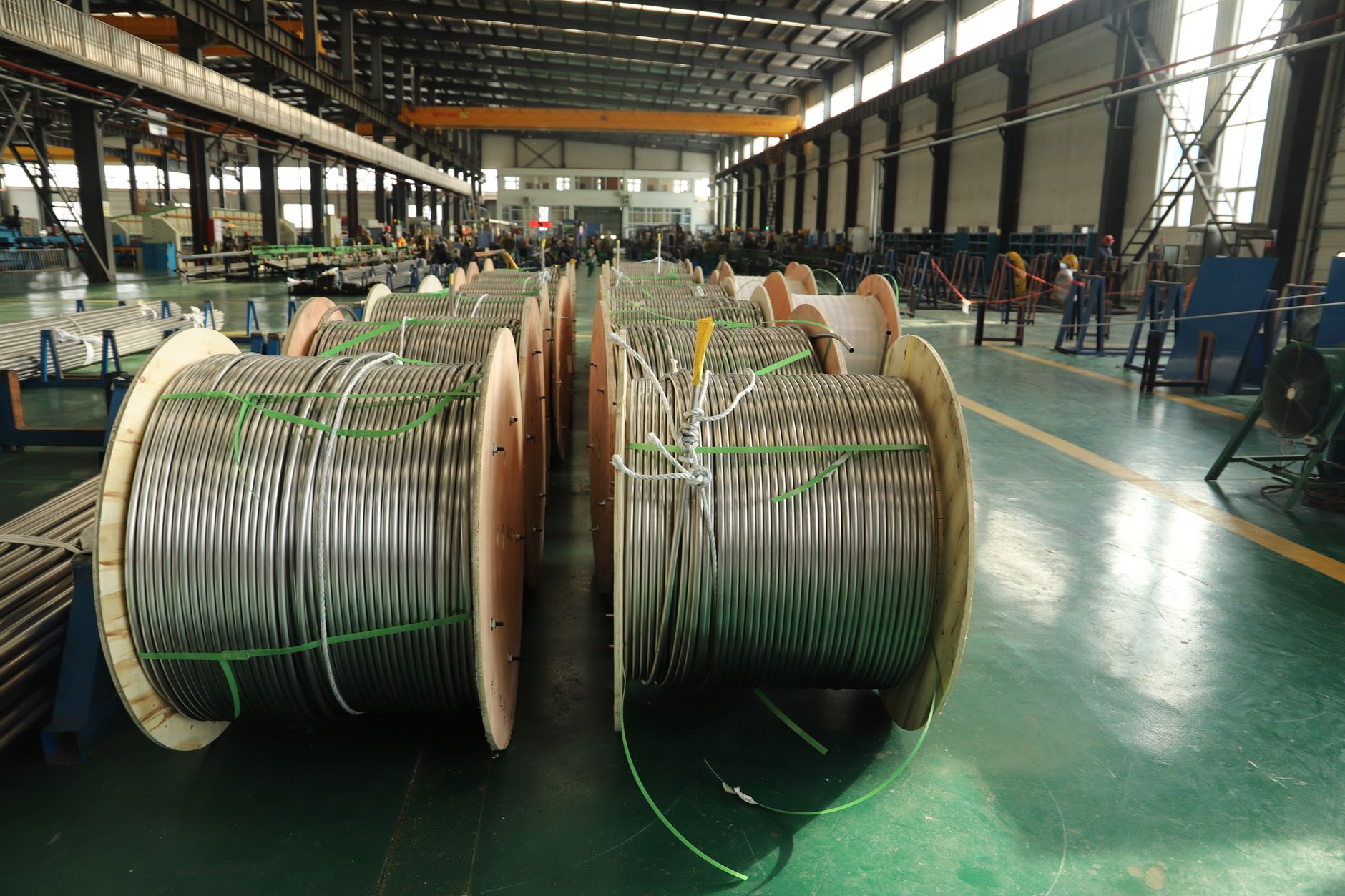
Việt Easy’s Long An factory has completed 15+ industrial cable tray and ladder projects in the past 2 years, with scales ranging from 500m² to 5,000m² per project. A typical project: an electronics manufacturing plant in Binh Duong needed 2,500m² of galvanized steel cable trays and ladders for a 3-story electrical system.
- Choice: Domestic (Việt Easy) instead of imported from China
- Reason: Delivery in 12 days (imported: 40 days), 30% cheaper price, free design support from Việt Easy engineers
- Result: Saved 85 million VND in purchase costs + shortened schedule by 28 days = 6-month ROI, 24-month warranty with no incidents
- Lesson: Domestic quality is not inferior to foreign products when complying with IEC 61537, but cost and speed are superior
Choose by use case — Domestic or Imported?

Domestic is not always better, nor is imported always the right choice. Below is a guide for choosing based on your actual situation:
Use case 1: Factory project in industrial park, urgent schedule (delivery <20 days)
Recommendation: Choose domestic (Việt Easy)
Reason: Delivery in 7-15 days, no customs delay risk, fast technical support, 30% cheaper cost. IEC 61537 standard is sufficient for most industrial applications in Vietnam.
Use case 2: Office building, requiring European standards (EN 61537, CE)
Recommendation: Choose European imports
Reason: Complies with EN 61537, CE mark mandatory for some high-end BIM/BTO projects. Warranty 36-48 months, lifespan 20-25 years. Accept delivery time of 35-60 days.
Use case 3: Medium project (500-1,500m²), tight budget, IEC standard sufficient
Recommendation: Choose domestic (Việt Easy)
Reason: Save 25-40% on costs, fast delivery, warranty 12-24 months. Suitable for M&E contractors wanting high margins, customers wanting fast ROI.
Use case 4: Large project (>5,000m²), requiring high stability, not urgent
Recommendation: Hybrid (60% domestic + 40% imported)
Reason: Use domestic for the main part (cost-saving), European imports for high-tech parts (control cabinets, hazardous zones). Balance cost & quality.
Detailed pros and cons — Pro/Con comparison table

Below is a table listing all pros and cons of each type, helping you decide faster:
| Type | Pros | Cons |
|---|---|---|
| Domestic (Việt Easy) | • 30-40% cheaper • Fast delivery 7-15 days • Vietnam support • Free design • Warranty 12-24 months | • Shorter warranty • Lifespan 15-20 years (vs 20-25) • No CE mark (not suitable for European projects) |
| Chinese imports | • Average price • Warranty 24-36 months • Stable quality | • Slow delivery 30-45 days • Customs delay risk • Support via agents, complicated • 15-25% higher cost than domestic |
| European imports | • EN 61537, CE standards • Warranty 36-48 months • Lifespan 20-25 years • High finish quality | • 40-60% higher price vs domestic • Slow delivery 35-60 days • English technical support • Not necessary for most Vietnam projects |
Technical Standards — IEC vs EN vs JIS
Three main standards governing cable trays globally. Understanding the differences helps you choose the right product for your project:
- IEC 61537: International standard, most common in Asia-Pacific. Both domestic and Chinese imports comply. Requirements: mechanical strength, load capacity 1.5-2 kN/m, fire resistance.
- EN 61537: European standard, more stringent than IEC (load capacity 2-2.5 kN/m, epoxy paint, CE mark). European imports comply. For high-end BIM, BTO projects.
- JIS C 8530: Japanese standard, high quality. Some Vietnamese factories (Việt Easy) also produce according to JIS. Suitable for high-tech projects.
Cable Tray Selection Process — From Requirements to Delivery
Specific steps to choose the right type of cable tray, from the survey stage to installation:
- Step 1 — Determine the standard: Check architectural/electrical drawings for IEC / EN / JIS requirements. If not specified, IEC 61537 is the default.
- Step 2 — Calculate the scale: Measure total length (m), width (cm), installation height. Example: 1,500m × 0.3m × 3m high = 1,350m² of cable tray.
- Step 3 — Choose the material: Galvanized steel (common, 15-20 years), powder coated (9-12 years), stainless steel (20-25 years, 50% more expensive).
- Step 4 — Compare prices from 3 suppliers: Send drawings to Việt Easy (domestic), 1 Chinese importer, 1 European importer. Compare price + delivery time + warranty.
- Step 5 — Decide: If urgent <20 days → domestic. If EN required + not urgent → European. If balanced → domestic.
- Step 6 — Delivery & installation: Domestic: 7-15 days. Imported: 30-60 days. Installation: 2-4 weeks depending on scale.
Frequently Asked Questions
Below are 6 common questions from electrical engineers, M&E contractors, and industrial park factory management:
FAQ
The FAQ section is detailed below:
Need advice on choosing the right cable tray for your project? Contact Việt Đức Trí Group — we provide high-quality domestic cable tray solutions, fast delivery, and comprehensive technical support. Hotline: 0935 295 337 or email [email protected]. Free consultation, no estimation fees.