
Shuttle Rack vs Drive-In: Which solution to choose for FMCG warehouse 2026?
Shuttle rack and drive-in rack both increase storage density, but their operating mechanisms, operational costs, and suitability for different types of goods are completely different. This article provides a detailed comparison to help you choose the right automated racking technology for your FMCG warehouse in 2026.
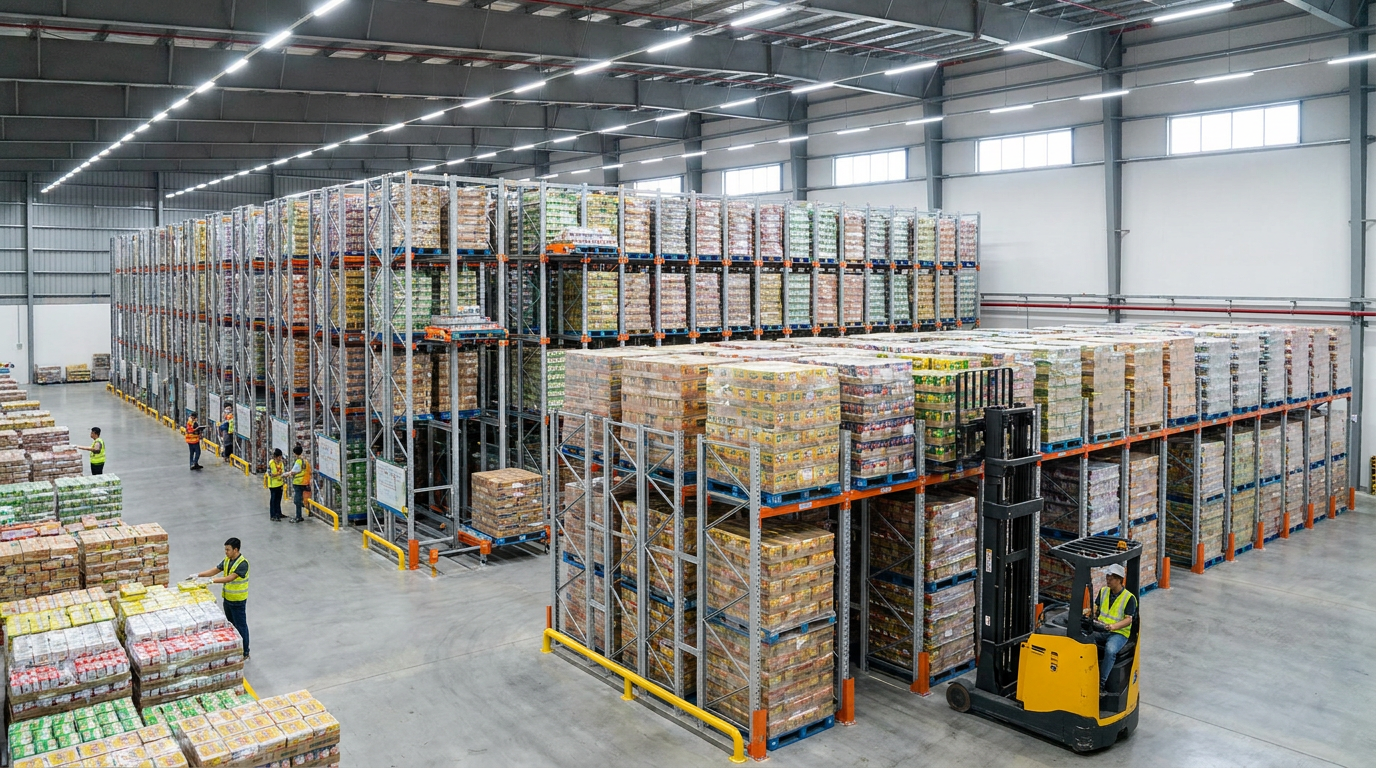
Shuttle rack and drive-in rack are both automated storage solutions that increase storage density, but they differ in operating principles, investment and operational costs, and suitability for different types of goods. For FMCG food and beverage warehouses, choosing the right rack technology directly impacts employee productivity, logistics costs, and scalability over the next 3-5 years. This article provides a detailed comparison of the two technologies to help you make the right decision.
What is Shuttle Rack and who is it for?
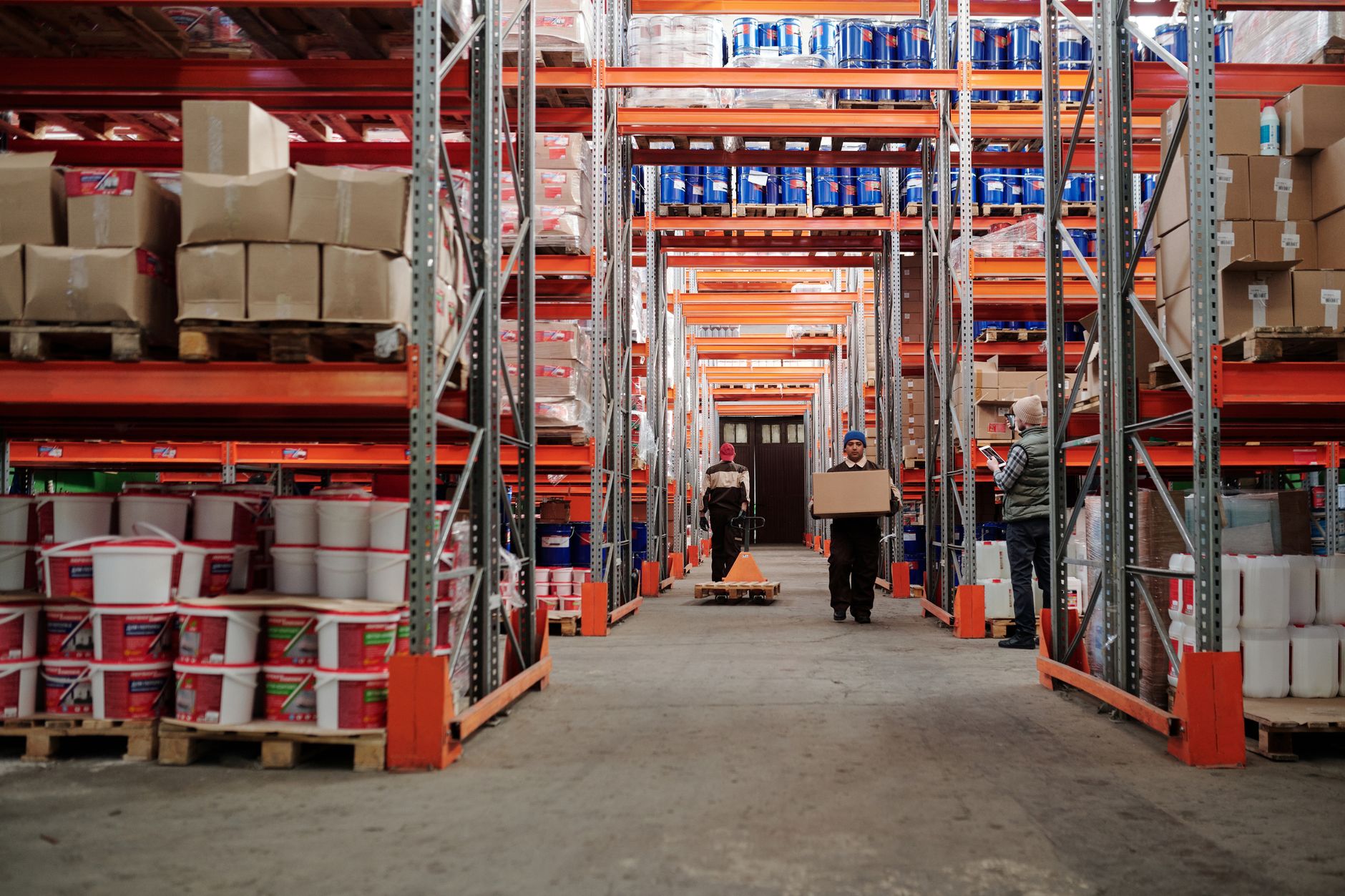
Shuttle rack is a semi-automated rack system where self-propelled shuttle cars run on rails within the rack lanes to move pallets. Employees do not need to enter deep into the rack lanes — they only place pallets at the entry point, and the shuttle car automatically moves and stacks them according to system commands. This technology is suitable for FMCG businesses with a need to store large quantities of similar SKUs, long storage cycles (3-12 months), and high employee speed requirements.
- Storage density: 50-70% higher than standard selective racks
- Picking speed: 80-120 pallets/employee/day (depending on rack height)
- Suitable for: Seasonal stock warehouses (Tet, summer), long-term inventory
- Operational cost: Low — mainly annual shuttle car maintenance
What is Drive-In Rack and who is it for?
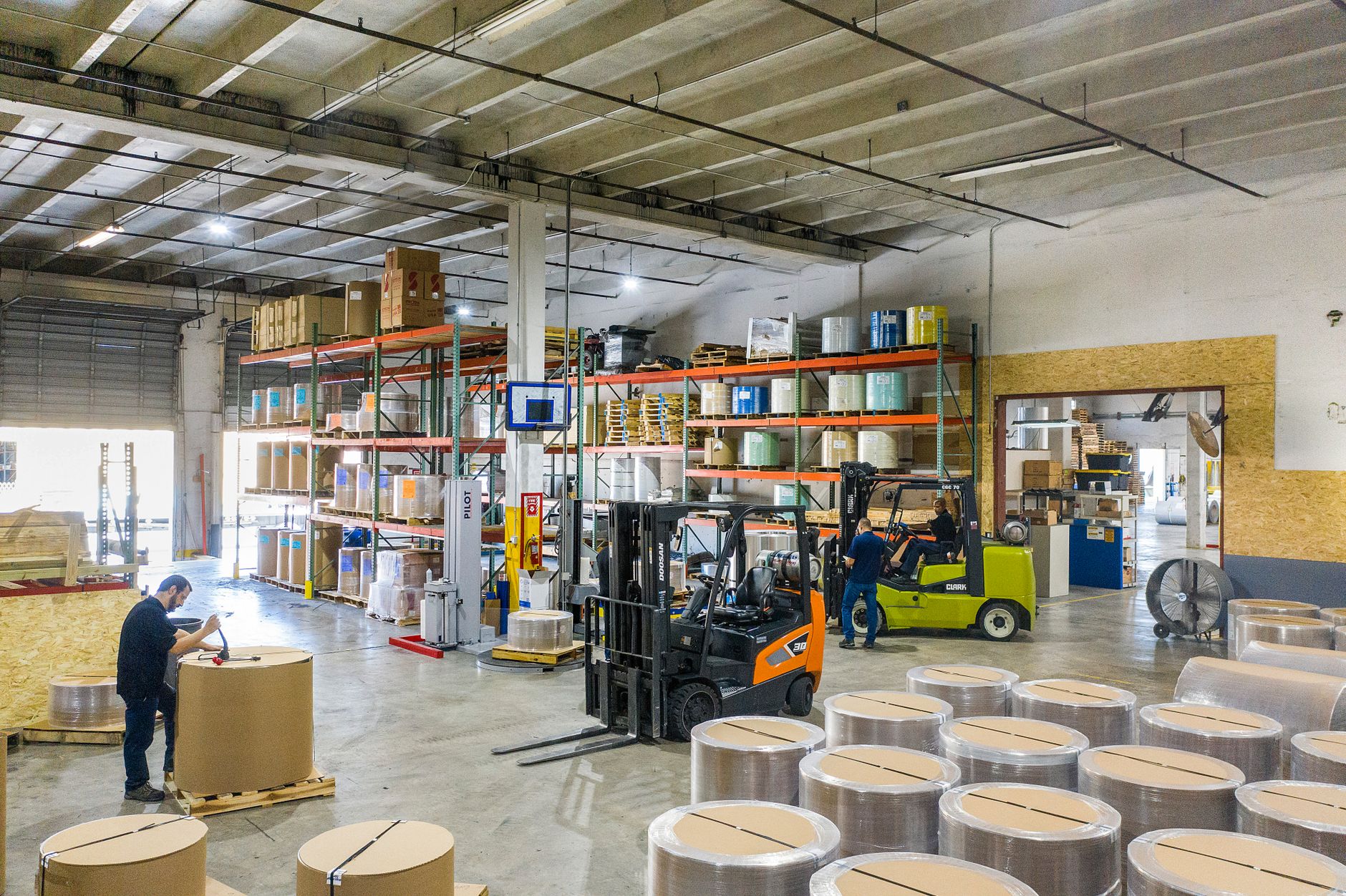
Drive-in rack is a passive rack system that allows forklifts/reach trucks to drive directly into the rack lanes to place and retrieve pallets. There is no automated equipment — it relies entirely on driver skill. Drive-in is suitable for FMCG businesses requiring high flexibility, multiple SKUs, short storage cycles (1-3 months), and wanting to reduce initial investment costs.
- Storage density: 40-60% higher than selective racks
- Picking speed: 60-100 pallets/driver/day (depending on skill)
- Suitable for: Fresh goods (3-7 days), fast-moving order items
- Operational cost: High — drivers, fuel, forklift maintenance
Detailed Comparison: Shuttle Rack vs Drive-In Rack
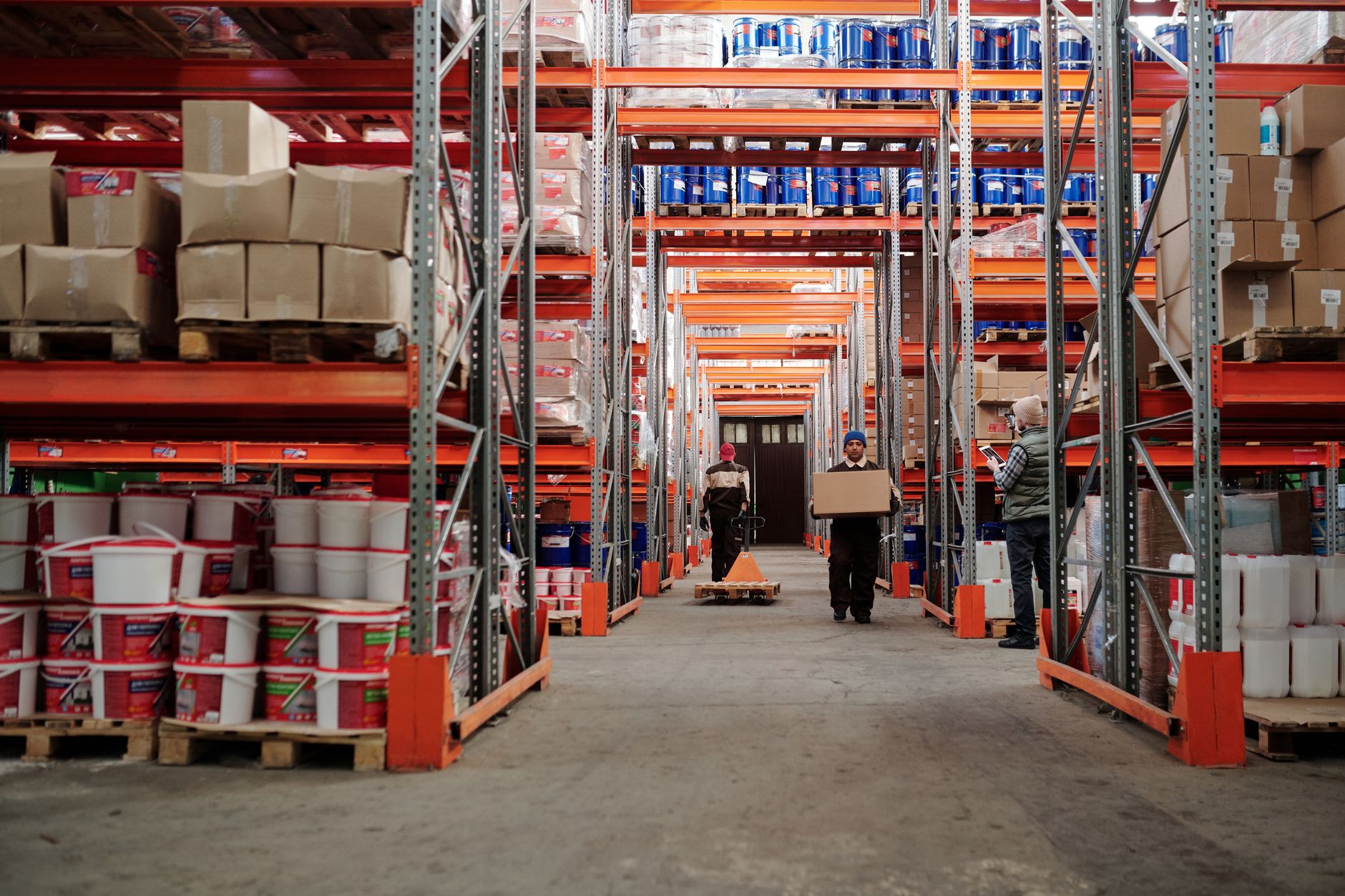
The table below compares 8 key criteria between the two automated rack technologies. From this, you can determine the actual cost and suitability for your FMCG warehouse.
| Criteria | Shuttle Rack | Drive-In Rack | Best |
|---|---|---|---|
| Storage Density | High: 50-70% increase vs selective | Medium: 40-60% increase | Shuttle — saves 15-25% floor space |
| Initial Investment Cost | High: 180-250 million/1000 pallets | Low: 80-120 million/1000 pallets | Drive-In — 50% cheaper |
| Annual Operating Cost | Low: 5-8 million (shuttle maintenance) | High: 15-25 million (fuel, drivers, maintenance) | Shuttle — 60% cheaper |
| Picking Speed | Fast: 80-120 pallets/person/day | Slow: 60-100 pallets/driver/day | Shuttle — 20-30% faster |
| Safety Level | High — no personnel in lanes | Medium — risk of driver collision | Shuttle — 0 workplace accidents |
| Multi-SKU Flexibility | Medium — suitable for 10-30 SKUs per zone | High — 30-100+ SKUs on the same lane | Drive-In — easy to change |
| Implementation Time | Long: 4-6 months (assembly, testing) | Fast: 2-3 months (rack installation only) | Drive-In — 50% faster |
| Suitability for Fresh Goods | Poor — long storage (3-12 months) | Good — short cycle (1-7 days) | Drive-In — high speed |
Choose by Use Case: Which FMCG Goods Fit Which Technology?
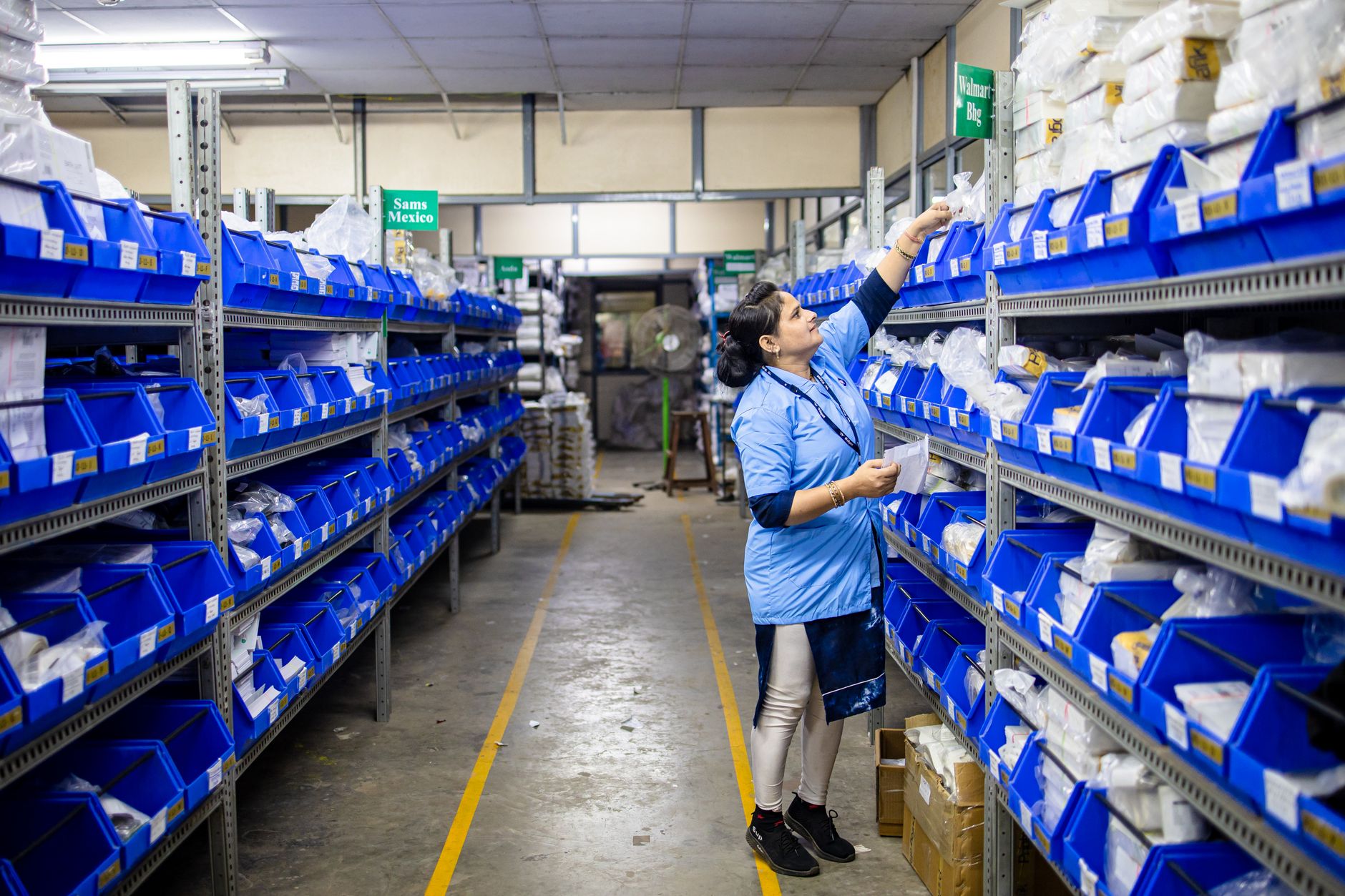
Below are 4 common use cases in FMCG food and beverage warehouses. Each use case includes a recommendation for the optimal rack technology based on storage cycle, volume, and speed requirements.
1. Seasonal Storage Warehouse (Tet, Summer, Rainy Season)
Goods: Soft drinks, beer, instant noodles, cooking oil, flour (stored for 2-6 months).
Recommendation: Shuttle Rack
Reason: High density (50-70%), low operating costs, high operator speed of 80-120 pallets/day. When the seasonal sales end, the shuttle car automatically goes into standby — no excess labor costs incurred.
2. Fresh Goods Warehouse (fresh food, milk, yogurt)
Goods: Frozen meat, fish, fresh milk (3-7 day cycle).
Recommendation: Drive-In Rack
Reason: High flexibility — drivers can retrieve any pallet without waiting for a queuing system. Fast retrieval speed (60-100 pallets/day) suitable for daily orders. Shuttle costs are unnecessary for short-term goods.
3. Fast Order Warehouse (e-commerce, retail chains with 50+ branches)
Goods: Multi-SKU, small volume, high frequency (500-1000 picks/day).
Recommendation: Shuttle Rack + Selective Rack combination
Reason: Shuttle stores deep reserve stock, selective top layer for fast picking. Optimizes both density and operator speed. Moderate operating costs (10-15 million/year).
4. Small Warehouse or FMCG Startup (under 500 pallets)
Goods: Loose items, multi-SKU, no clear seasonality.
Recommendation: Drive-In Rack
Reason: Low investment cost (80-120 million), quick deployment (2-3 months). Flexible to adjust according to growth needs. When scaling up, upgrade to shuttle or AS/RS.
Detailed Pros and Cons of Each Technology

To make an accurate decision, you need to clearly understand the advantages and disadvantages of each technology in the context of your FMCG warehouse.
✓
Shuttle Rack — Advantages
- High density: 50-70% warehouse space savings
- Low operating costs: Shuttle car only requires periodic maintenance
- High safety: No personnel enter deep aisle channels — zero collision accidents
- High operator speed: 80-120 pallets/person/day (20-30% more than drive-in)
- Quality control: Pallets experience minimal impact — reduced product damage
- Suitable for long-term: Optimized for 3-12 month storage warehouses
✗
Shuttle Rack — Disadvantages
- High investment cost: 180-250 million/1000 pallets (2-3 times drive-in)
- Long deployment time: 4-6 months for assembly, testing, training
- Low flexibility: Difficult to change configuration when goods are too diverse
- High complexity: Requires IT staff to maintain the control system
- Poor for fast-moving goods: Not optimized for 1-7 day cycles
- ROI 3-5 years: Requires stable storage to recoup investment
✓
Drive-In Rack — Advantages
- Low investment cost: 80-120 million VND/1000 pallets — easy to deploy
- Fast deployment: 2-3 months to install racks, no complex IT required
- High flexibility: Drivers can retrieve any pallet — no queuing
- Multi-SKU service: 30-100+ product types on the same rack aisle
- Suitable for fast-moving goods: Optimized for 1-7 day cycles (fresh goods)
- Easy to upgrade: Can add shuttle or AS/RS later without demolition
✗
Drive-In Rack — Disadvantages
- Lower density: 40-60% savings — 15-25% less than shuttle
- High operating costs: 15-25 million VND/year (fuel, drivers, forklift maintenance)
- Low safety: Risk of collision accidents, 3-5% product damage per year
- Slow worker speed: 60-100 pallets/driver/day (depends on skill)
- Driver dependency: Service quality varies by individual
- Forklift wear: 30-50 million VND/year maintenance for 3-5 units
ROI Comparison: Shuttle vs Drive-In over 5 Years
To decide, you need to compare actual costs over 5 years. Example: a warehouse storing 1000 FMCG pallets, with 500 retrievals/day, 250 working days/year.
| Cost (VND) | Shuttle Rack (5 years) | Drive-In Rack (5 years) | Difference |
|---|---|---|---|
| Initial investment | 250 million | 120 million | +130 million (shuttle) |
| 5-year operation | 40 million (8/year) | 100 million (20/year) | -60 million (shuttle cheaper) |
| Space savings (5 years) | +500 million (60% area × 100 VND/m²/year) | +300 million (40% area × 100 VND/m²/year) | +200 million (shuttle) |
| Worker speed (5 years) | +150 million (20% speed × 3 workers × 50 VND/month) | +90 million (baseline) | +60 million (shuttle) |
| TOTAL (5 years) | 690 million | 510 million | +180 million (shuttle profit) |
ROI Conclusion: Shuttle rack has an initial cost 130 million VND higher, but saves 60 million in operation + 200 million in space + 60 million in worker speed = a profit of 180 million VND over 5 years. If the warehouse stores for 3-5 years, shuttle is the optimal choice. If only 1-2 years, drive-in is cheaper.
Reputable Automated Rack Suppliers in Vietnam
Currently, VietPOS Rack is the official supplier of automated rack lines including shuttle rack, drive-in rack, and selective rack for FMCG enterprises in Vietnam. VietPOS Rack has completed the deployment of selective racks for a logistics center in Binh Duong with 1500 pallets, increasing density by 45%, and reducing operating costs by 35%. Additionally, the detailed guide on the working principle of shuttle rack also provides technical information for you to evaluate suppliers.
Frequently Asked Questions
Can shuttle rack and drive-in rack be installed in the same warehouse?
Yes, many FMCG warehouses combine both technologies. For example: Shuttle rack stores seasonal goods (Tet, summer) deep in the back, while drive-in rack handles fresh goods in the front. Or shuttle on the lower level (long-term storage), selective on the upper level (fast picking). This optimizes both density and staff speed.
Does shuttle rack require a dedicated IT staff member?
Yes, shuttle rack requires at least 1 IT staff member to maintain the control system (WMS, PLC). If not available, you must sign a maintenance contract with the supplier (3-5 million VND/month). Drive-in rack only requires a forklift driver — no complex technology.
Should fresh goods (meat, fish) use shuttle or drive-in?
Drive-in rack is better due to the short cycle (3-7 days). Shuttle rack is suitable for goods stored for 3+ months. However, if you have high-speed requirements (500+ picks/day) and fresh goods stored for 2-3 weeks, combining shuttle + selective will be optimal.
How long until shuttle rack breaks down, and how often is maintenance needed?
Shuttle cars typically last 5-7 years before needing battery or motor replacement. Periodic maintenance every 3-6 months (checking batteries, rails, sensors). Maintenance cost is 5-8 million VND/year. Drive-in rack is just steel shelving — almost never breaks, but the forklift requires maintenance costing 15-25 million VND/year.
Should I choose shuttle rack or drive-in rack for an FMCG warehouse in 2026?
If your warehouse has stable storage for 3+ years, requires high density, and has investment capital (180-250 million VND) → choose Shuttle Rack. If starting out, multi-SKU, fast-moving goods, limited capital (80-120 million VND) → choose Drive-In Rack. If you want to optimize both → combine shuttle + selective or shuttle + drive-in within the same warehouse.
To determine the most suitable automated rack solution for your FMCG warehouse, contact VIET DUC TRI GROUP today. The expert team will survey the warehouse, calculate detailed ROI, and propose the optimal solution. Hotline: 0935 295 337 — Free consultation, no commitment.