
How Shuttle Rack Works: The Principle of Autonomous Vehicles
Shuttle Rack is a semi-automated racking system that uses autonomous shuttles to move pallets along rails, increasing storage density by 2-3 times compared to manual racking. This article explains in detail the operating mechanism, main structure, and applications in FMCG warehouses, helping warehouse managers make accurate investment decisions.
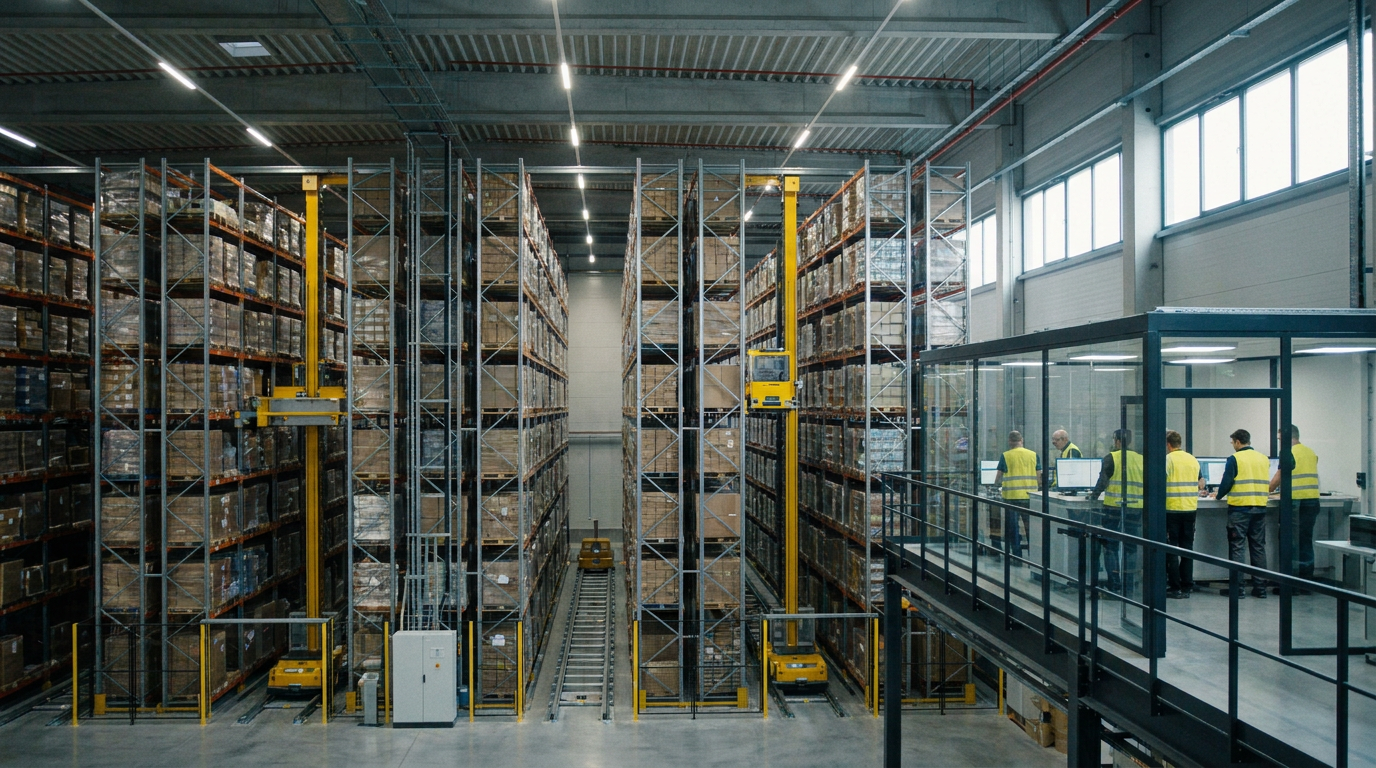
Shuttle Rack is a semi-automated rack system that uses autonomous shuttle robots to move pallets on rails inside the rack, operating based on commands from a Warehouse Management System (WMS) or remote control. In Vietnam, this technology is being widely deployed in manufacturing and FMCG distribution warehouses to optimize storage density and reduce labor costs.
What is Shuttle Rack?
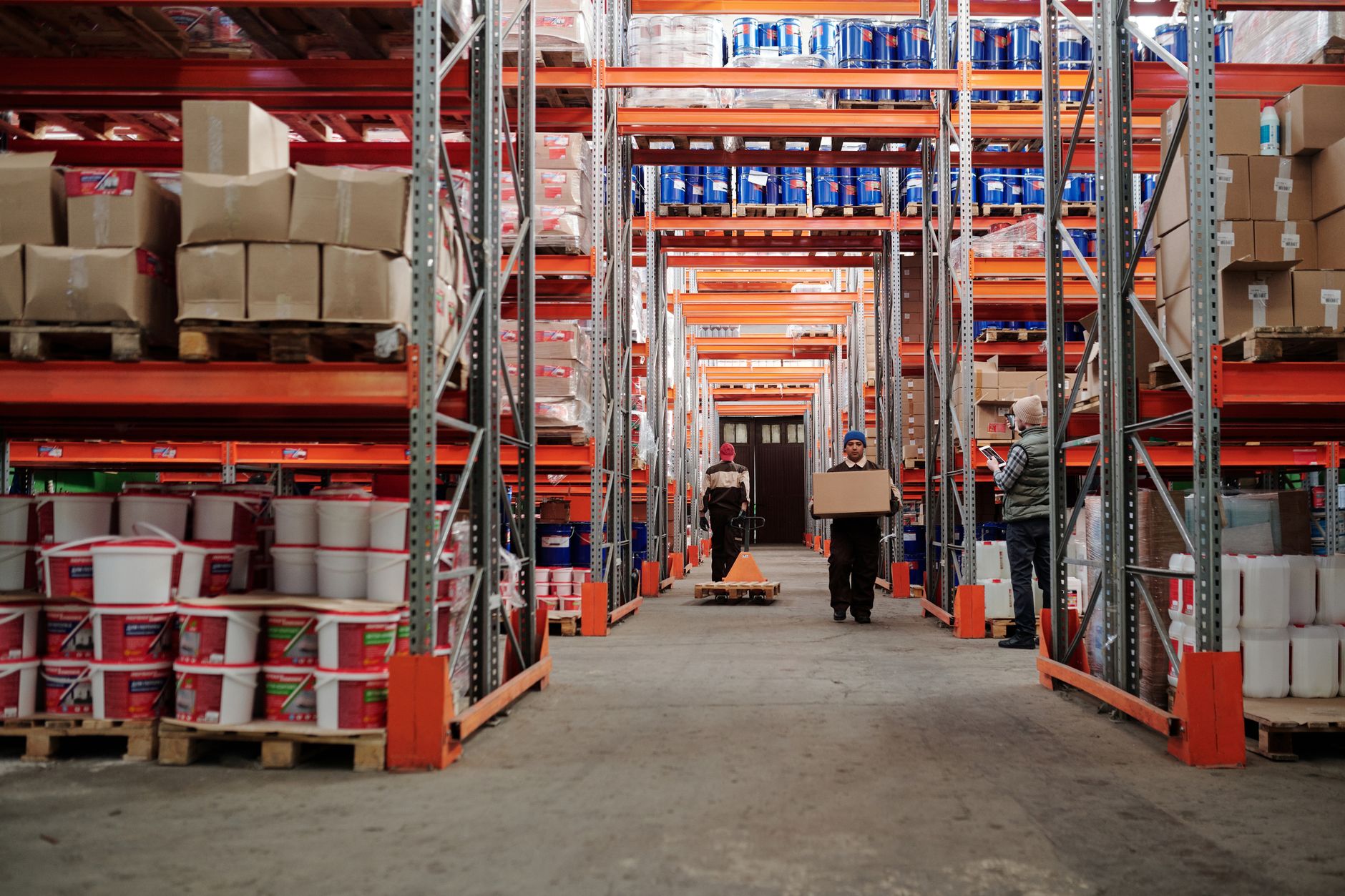
Shuttle Rack (shuttle pallet rack) is a semi-automated storage system where pallets are placed on horizontal rails inside the rack bays. One or more lithium-ion battery-powered shuttle carts automatically move pallets in/out of the rack upon command. Unlike Drive-in racks (where forklifts enter deep into the rack), the shuttle operates independently on rails, allowing for LIFO (Last In First Out) or FIFO (First In First Out) storage depending on the configuration.
Definition: Shuttle Rack is a high-density rack system using autonomous rail-guided robots to move pallets, increasing capacity by 2-3 times and reducing labor compared to traditional manual racks.
Main Components of the Shuttle Rack System
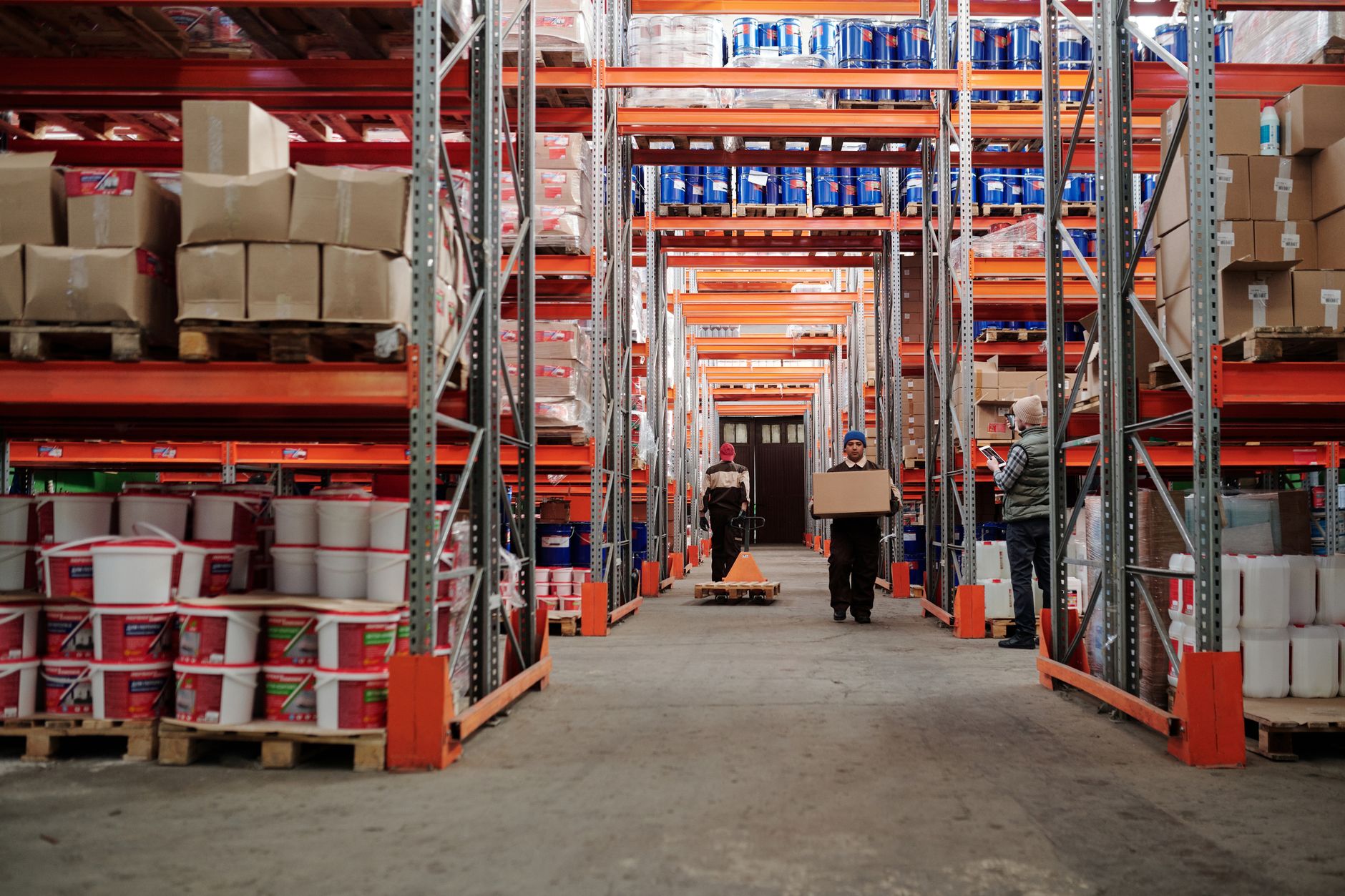
The Shuttle Rack system consists of 5 core components that work together. Each component plays a specific role, from pallet storage to motion coordination, creating a smooth and efficient operational process.
- Pallet Rack: A steel frame designed with square bays, each holding 1 pallet. Horizontal rails are installed inside the bays for the shuttle cart to move on. The rack can be stacked from 3-12 levels depending on warehouse height.
- Rails and Drive System: Rails are installed precisely with a tolerance of < 2mm. Electric motors and belts drive the shuttle cart along the rails. This system requires periodic maintenance to ensure accuracy.
- Shuttle Cart (Autonomous Robot): A lithium-ion battery-powered cart, equipped with laser sensors or cameras for positioning on the rails. The cart can handle 30-50 pallets/hour (depending on the model). Charging time: 1-2 hours for an 8-12Ah battery.
- Inbound/Outbound Station: Equipment for lifting and lowering pallets at the end of the rack, connecting to the forklift or conveyor system to move pallets to/from the shuttle.
- Management System (WMS + PLC): Warehouse Management System (WMS) software issues commands, while the PLC controls the shuttle cart and inbound/outbound station movements in an optimized sequence.
Shuttle Rack operating principle step by step
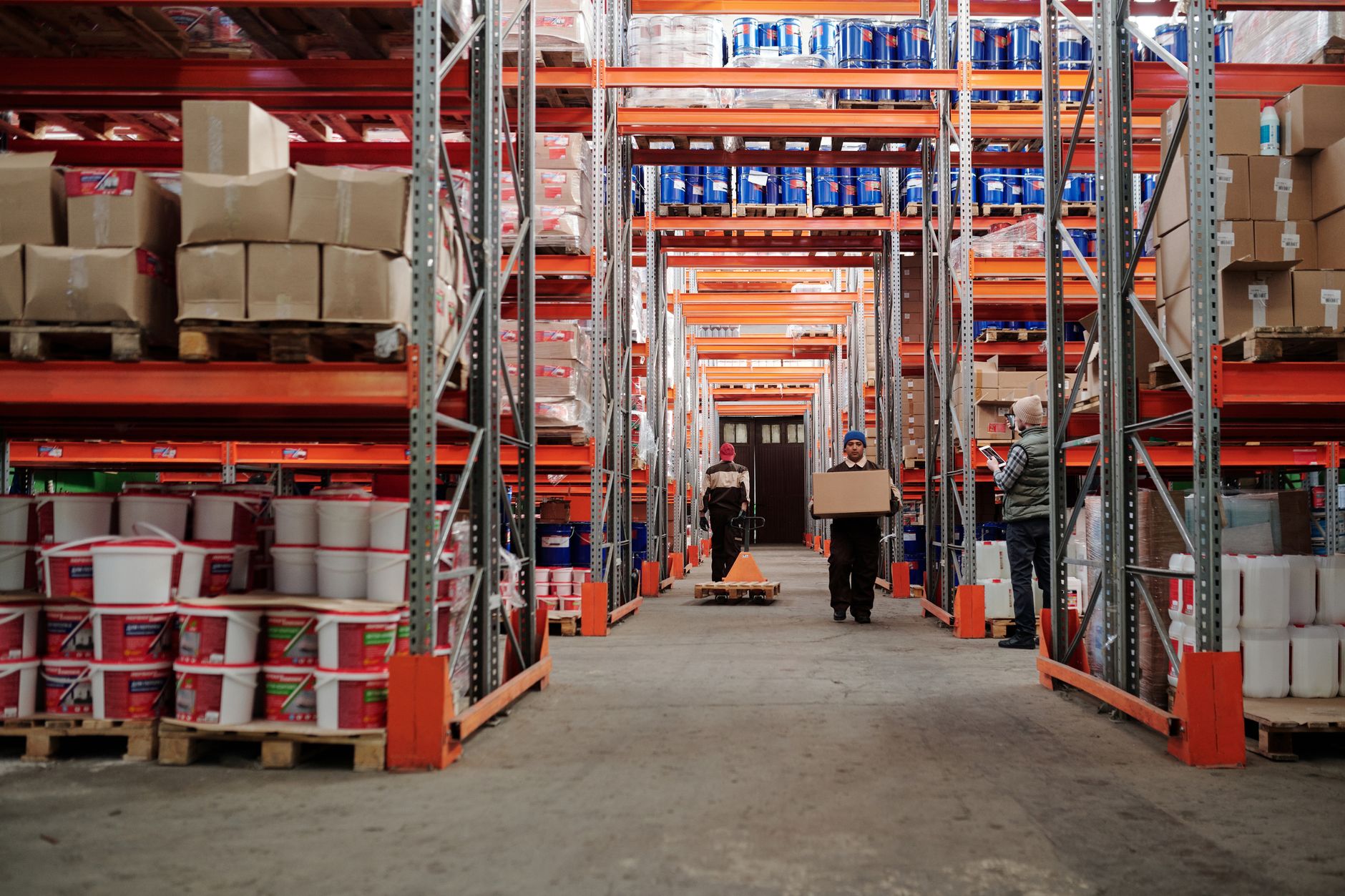
The Shuttle Rack operation process includes sequential steps: receiving commands from WMS, the shuttle moving to the location, receiving/delivering pallets, and returning to get the next command. The entire process is optimized to reduce waiting time and increase throughput.
- Command from WMS: When goods enter the warehouse, staff scan the barcode or the system automatically sends a command to WMS. WMS determines the empty pallet location (rack cell address: level, row, depth) and sends the command to PLC.
- Shuttle moves: PLC receives the command, activates the motor, the shuttle moves along the rail to the position near the input/output station. Travel time: 5-15 seconds depending on distance.
- Receive pallet: The input/output station lifts the pallet to rail height, places it on the shuttle. Sensors on the shuttle confirm the pallet is securely loaded. Time: 3-5 seconds.
- Move into the rack: The shuttle continues moving, pushing the pallet deep into the rack cell (depth from 3-10 pallets depending on configuration). This is a unique feature of the shuttle compared to Drive-in racks — the shuttle can return without the forklift needing to go deep inside.
- Return to receive next command: After placing the pallet, the shuttle returns to the input/output station, ready for the next command. For outbound commands, the process is reversed: the shuttle retrieves the pallet from the rack and brings it to the output station.
Comparison of Shuttle Rack with Drive-in racks and manual racks
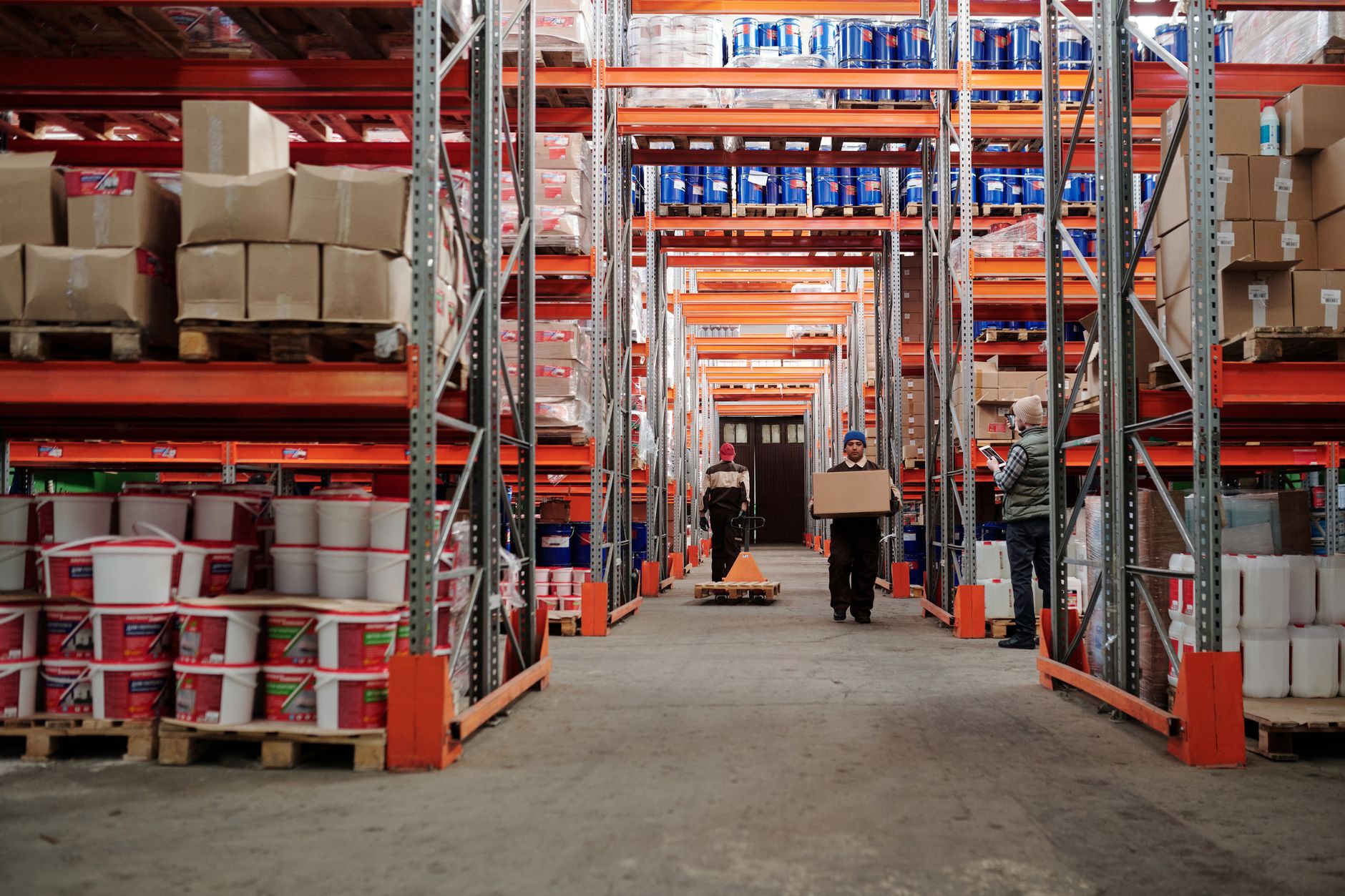
Shuttle Rack sits between manual racks (low cost, average performance) and Drive-in racks (high performance, high cost). The table below compares these 3 systems in detail to help you choose the right option.
| Criteria | Manual racks | Shuttle Rack | Drive-in racks |
|---|---|---|---|
| Storage density | 1x (baseline) | 2-2.5x | 2-3x |
| Throughput (pallets/hour) | 10-15 | 30-50 | 40-60 |
| Investment cost (relative) | 1x | 3-4x | 4-5x |
| Labor cost | High (forklift + staff) | Low (1-2 supervisory staff) | Low (1-2 supervisory staff) |
| Operational complexity | Simple | Medium (requires WMS) | High (requires WMS + PLC) |
| Suitable for | Small warehouse, diverse goods | Medium FMCG warehouse, few product types | Large warehouse, few product types, high speed |
Application of Shuttle Rack in FMCG Warehouses
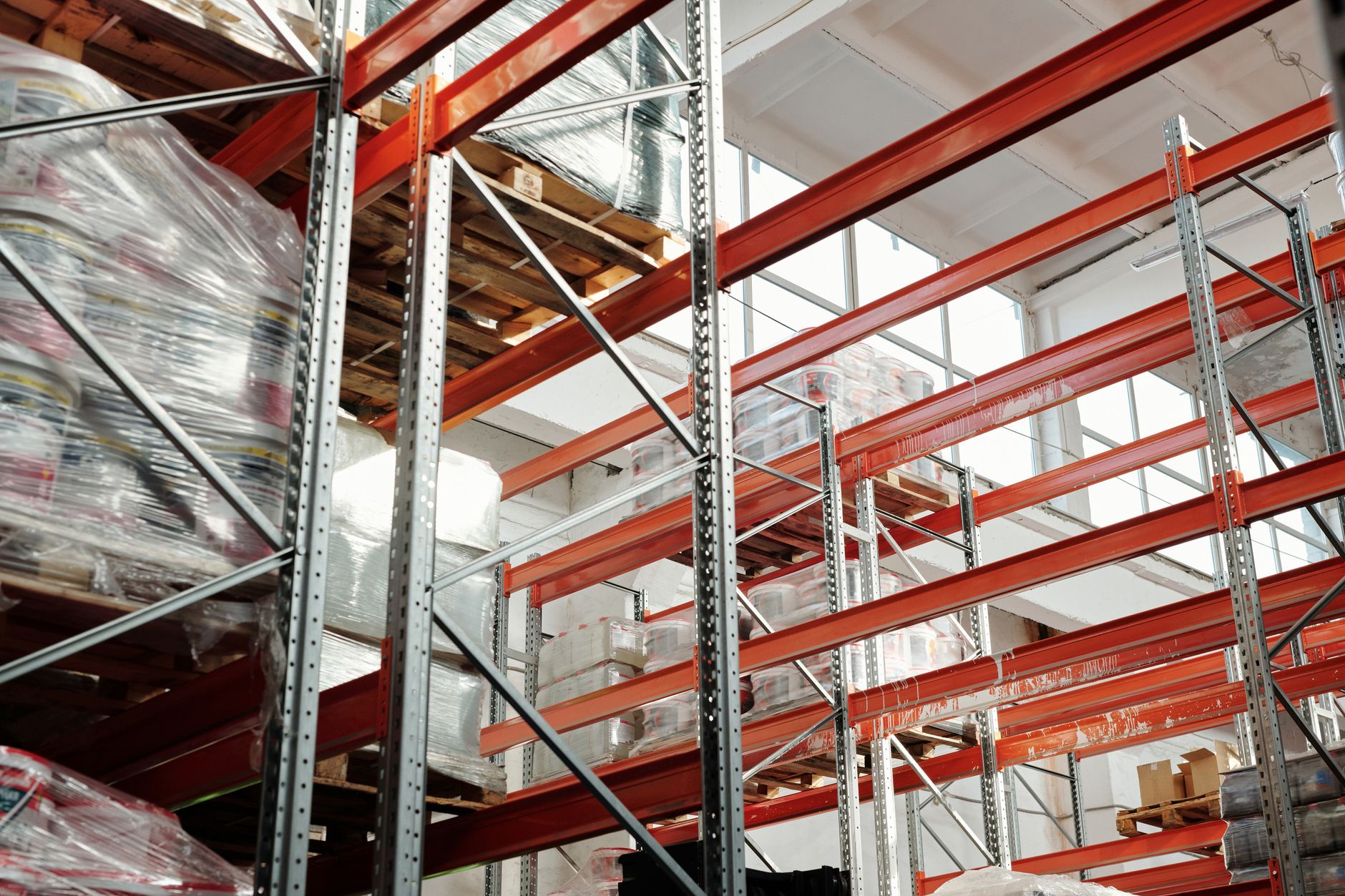
Shuttle Rack is most suitable for FMCG warehouses because products often have few SKUs (1-5 main types), large shipment volumes, and require high output speed to fulfill orders quickly. Typical examples: cold storage (frozen food), dry storage (water, beer, snacks), and pharmaceutical warehouses.
- Cold Storage: Battery-powered Shuttles do not emit CO2 (unlike diesel forklifts), making them suitable for -18°C environments. Tan Phat Company (HCMC) deployed 2 shuttle systems in a 1,200m² cold storage, increasing capacity from 800 pallets to 2,000 pallets, saving 35% on labor costs.
- Dry FMCG Storage: Shuttle handles multi-pallet orders quickly, reducing retrieval time from 20 minutes to 5-8 minutes. Doi Cat Company (Binh Duong) uses 1 shuttle for a 2,500m² water storage warehouse, processing 150-200 orders/day (previously 80-100 orders).
- Distribution Warehouses: Shuttle helps separate fast-moving SKUs from slow-moving ones, optimizing warehouse layout. Reduces picking time from 30 minutes/order to 10-12 minutes.
Common Mistakes When Implementing Shuttle Rack
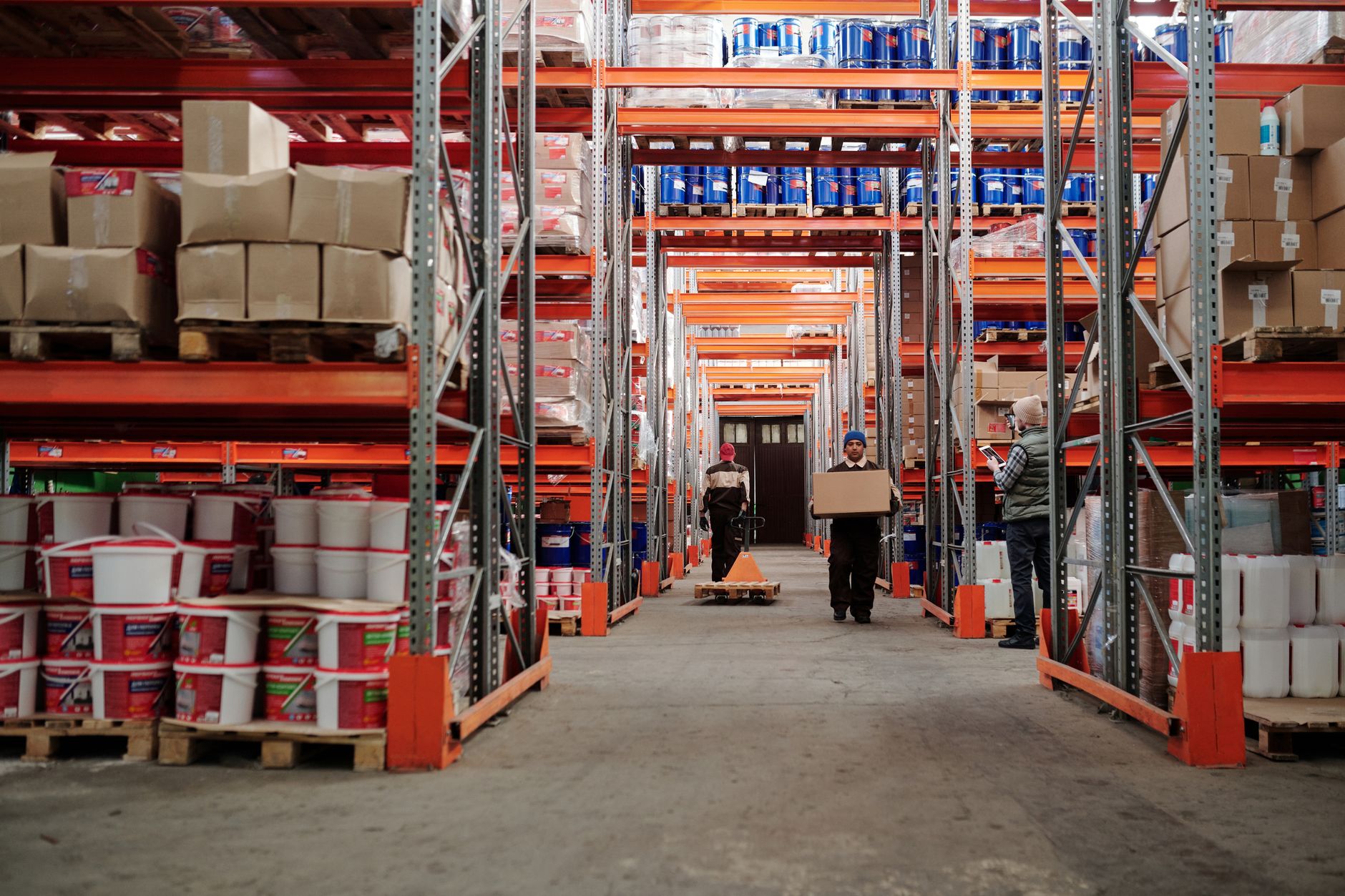
Many Vietnamese businesses invest in shuttles but fail to achieve the expected ROI due to a lack of understanding of operational requirements. Below are common mistakes to avoid.
- Not preparing WMS beforehand: The Shuttle requires a WMS system to manage rack location addresses and issue commands. If implemented without WMS, the shuttle only operates manually (reducing efficiency by 50%). Choose a suitable WMS (cloud or on-premise) before purchasing the shuttle.
- Choosing racks that are too deep or too high: Racks that are too deep (>10 pallets) increase shuttle travel time, reducing throughput. Racks that are too high (>10 levels) increase the power cost of lifting pallets. Optimal: 6-8 levels, 6-8 pallets per bay.
- Not checking floor preparation: Shuttle rails require a flat floor with a tolerance of ±5mm/10m. If the floor is uneven, the shuttle will misalign and be prone to damage. Floor preparation cost: 5-10 million VND/1,000m² — must be included in the budget.
- Not planning for battery maintenance: Shuttle batteries need to be charged for 1-2 hours/day. If the warehouse operates 24/7, 2-3 shuttle carts are needed for rotation charging. Ignoring this will cause the shuttle to be inactive for 2-3 hours/day.
- Choosing a supplier without Vietnamese technical support: The Shuttle is a complex system requiring periodic maintenance. Choose a supplier with support engineers in Vietnam (not just one that sends spare parts from abroad).
Frequently Asked Questions about Shuttle Rack
Below are common questions from warehouse managers when considering shuttle investment, along with detailed answers to help you make a decision.
FAQ
To better understand shuttle rack and how to apply it to your warehouse, please contact Việt Đức Trí Group — a specialist provider of smart warehouse solutions for Vietnamese businesses.
Need detailed consultation on Shuttle Rack for your FMCG warehouse? Call 0935 295 337 or email [email protected] for free support. We have experience implementing shuttle systems in 15+ warehouses in the FMCG, food, and pharmaceutical industries in Vietnam.