
What is Shuttle Rack? The principle of autonomous vehicles in warehouses 2026
A shuttle rack is a semi-automated storage solution that uses battery-powered autonomous carts to move pallets along rails, increasing storage density by up to 80% compared to traditional racks. This article explains in detail the operating principles, structure, and technical benefits for Vietnamese businesses.
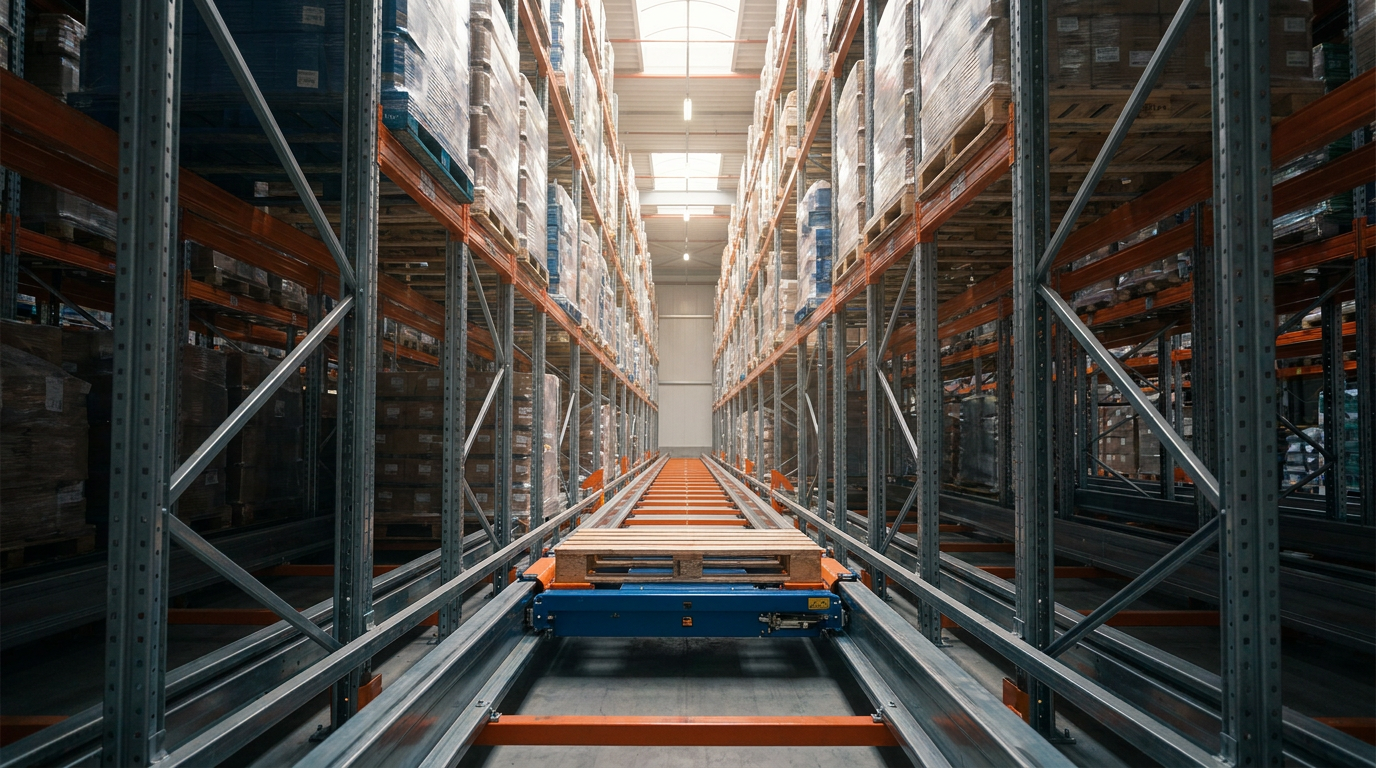
Shuttle rack (shuttle rack) is a semi-automated storage solution that uses battery-powered carts moving on rails according to remote control commands or warehouse management software (WMS). In Vietnam, this technology is being widely deployed in logistics centers, manufacturing plants, and large-scale retail warehouses to optimize storage density and reduce operating costs.
What is a shuttle rack?
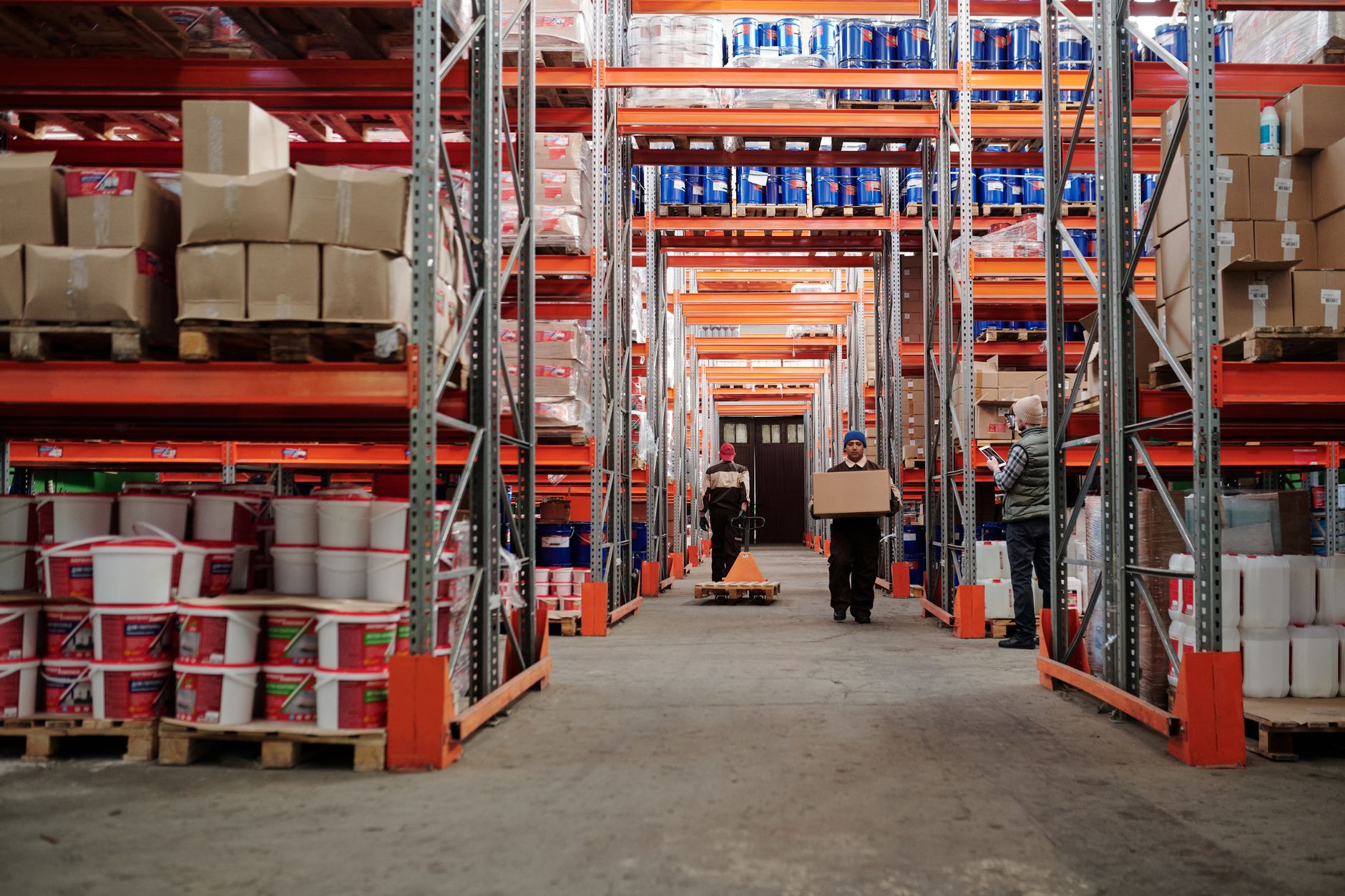
A shuttle rack is a high-density semi-automated rack system where shuttle vehicles (autonomous robots) powered by lithium-ion batteries move on rails inside the rack, automatically retrieving and placing pallets into storage positions based on commands from the control system. Unlike traditional drive-in racks (where forklifts must drive into the lane), shuttle racks completely separate the forklift driver from the storage process, increasing safety and efficiency.
Shuttle rack = high rack + autonomous shuttle vehicle + central control system (WMS). Processing speed: 30-40 pallets/hour/shuttle (3-4 times faster than drive-in racks). Storage density: +80% compared to conventional racks.
Detailed structure of the shuttle rack system
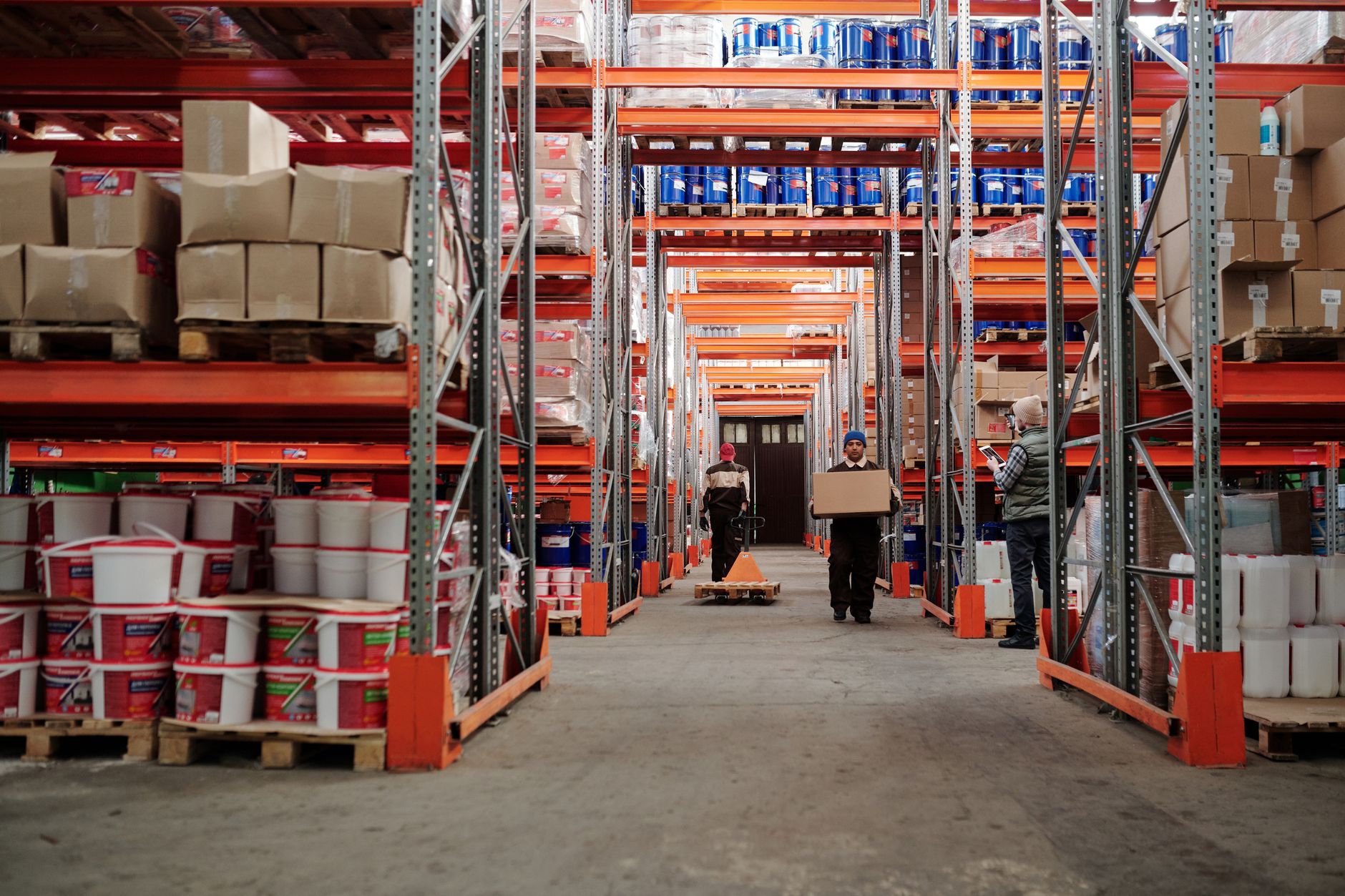
The shuttle rack system consists of 5 main components: (1) High steel rack (10-15m) with horizontal rails; (2) Lithium-ion battery-powered shuttle vehicle; (3) Central control system (PLC/server); (4) Inbound/outbound station; (5) Warehouse management software (WMS) connected to ERP. Each rack level has one independent shuttle, allowing simultaneous processing of multiple pallets on different levels.
- Steel rack: Frame structure, high load-bearing capacity, precise horizontal rails ±5mm, supports standard pallets 1000×1200mm or 1200×1000mm.
- Shuttle vehicle: 24V electric motor, 100-200Ah lithium battery, load capacity 1000-1500kg, travel speed 1.2-1.5m/s, charging time 8 hours, battery life 3-5 years.
- Control system: PLC/server processes commands, optical sensors detect pallet positions, magnetic signature system, two-way communication with WMS via Ethernet/WiFi.
- Inbound/outbound station: Conveyor + automatic or semi-automatic lift table, connected to the shuttle rack via precise position sensors.
- WMS software: Manages pallet locations, inbound/outbound schedules, optimizes shuttle routes, reports KPIs (speed, accuracy, error rate).
Shuttle rack operating principle step by step
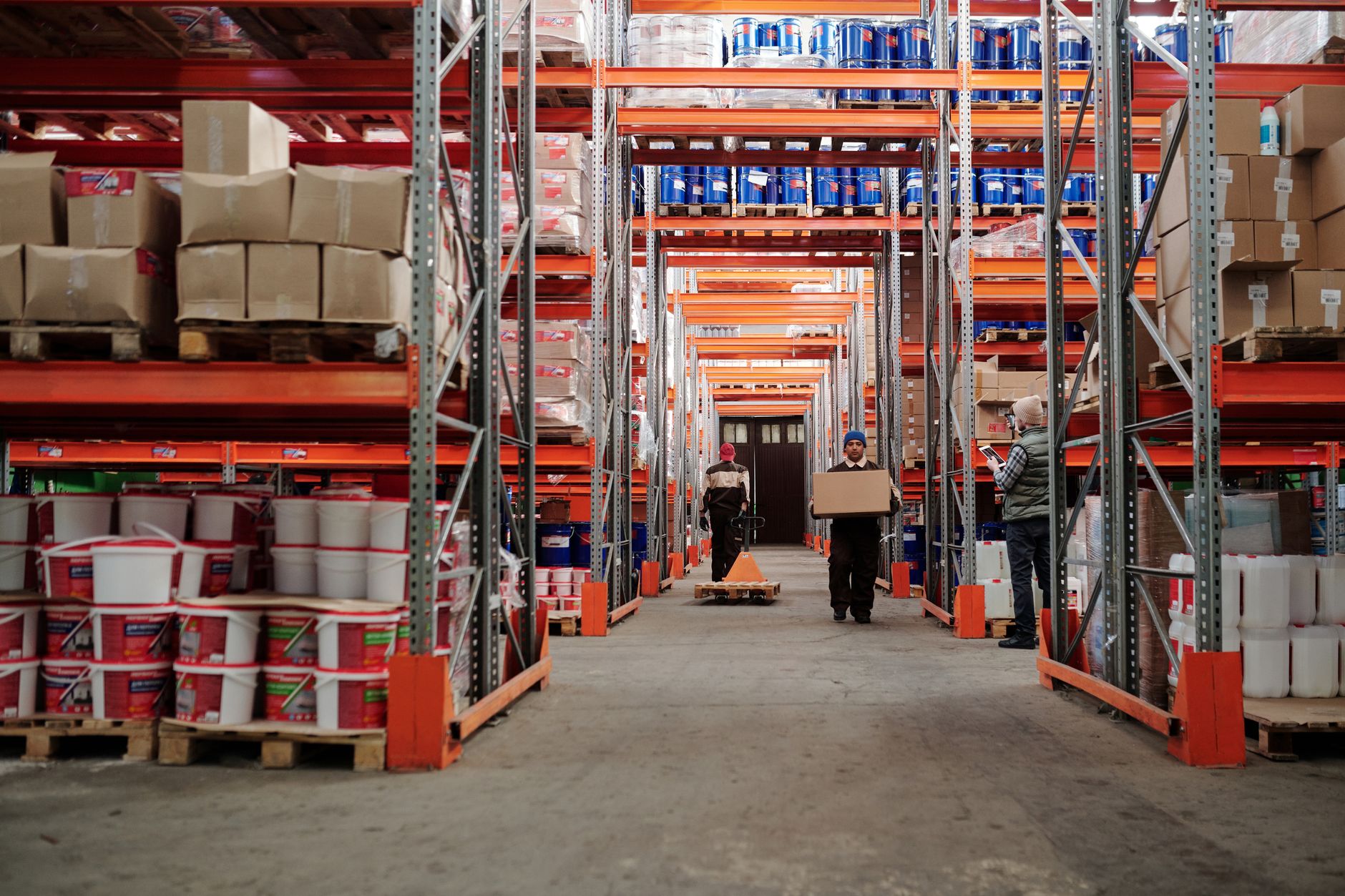
The shuttle rack operating process is divided into 5 steps: (1) The inbound plan is loaded into WMS; (2) The shuttle receives commands from PLC, moves to the inbound station; (3) The pallet is placed onto the shuttle by automatic conveyor/lift table; (4) The shuttle moves into the rack, places the pallet in the designated storage position; (5) When outbound is needed, the reverse process — the shuttle retrieves the pallet, brings it to the outbound station, the conveyor lowers it for the forklift or customer.
- Storage planning: WMS receives the inbound order, calculates the optimal position based on FIFO/LIFO algorithm, sends commands to the shuttle PLC.
- Shuttle moves to station: The shuttle receives the signal from PLC, moves from the resting position to the inbound station, speed 1.2-1.5m/s, average time 15-30 seconds.
- Receive pallet: The lift table raises the pallet to standard height, the shuttle moves underneath, hooks the pallet onto the support (fork or platform).
- Enter rack and store: The shuttle moves into the rack along the rail, precisely locates the position code, raises/lowers the pallet using the lift mechanism, places the pallet in the storage position.
- Return to resting: After storage is complete, the shuttle returns to the waiting position, charges (if needed), prepares to receive the next command. Time for one inbound cycle: 60-90 seconds.
Shuttle rack vs traditional rack — Detailed comparison table
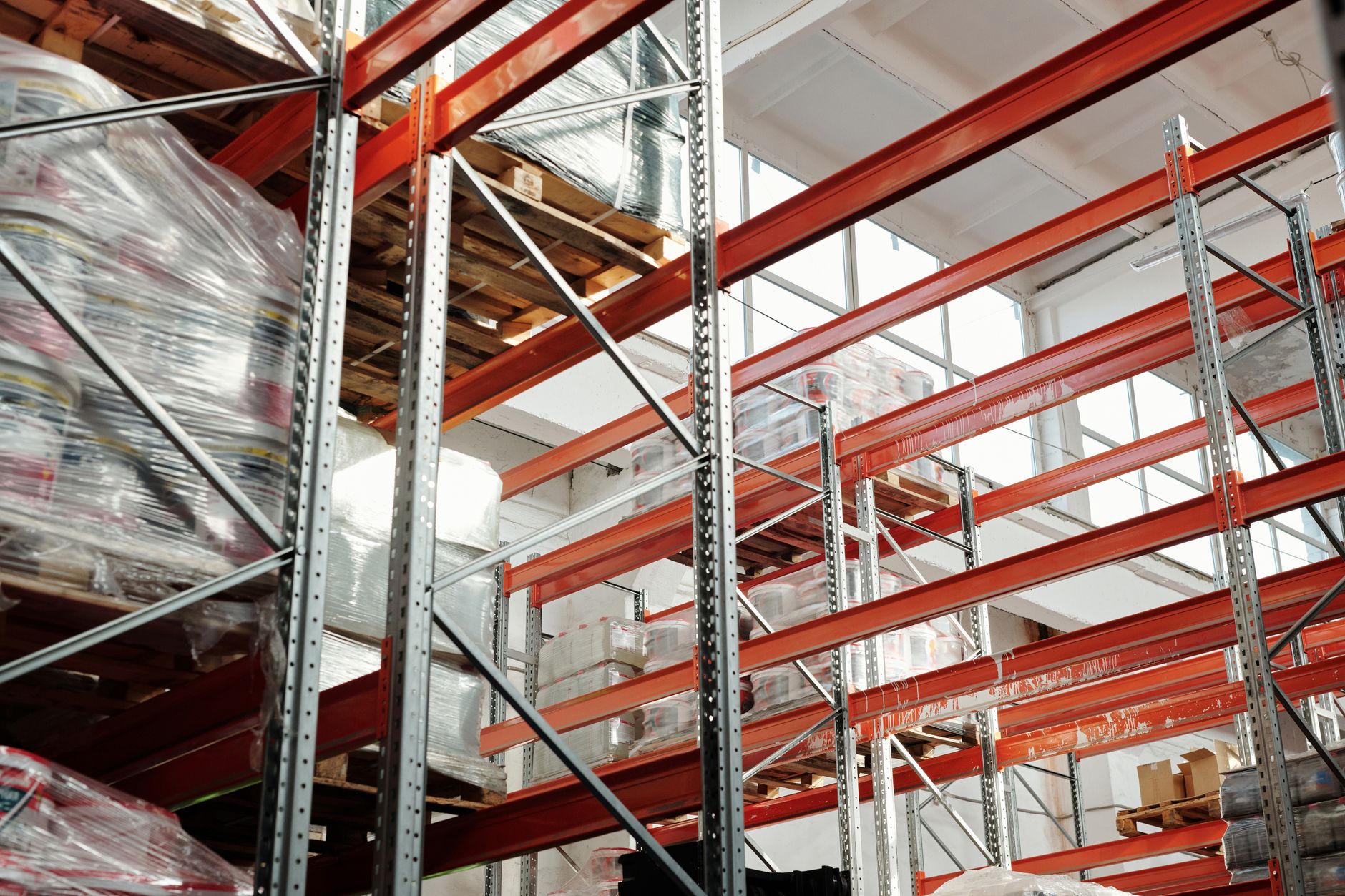
Comparing shuttle rack with other popular rack systems (drive-in, conventional, AS/RS) helps businesses choose the solution suitable for their storage needs, budget, and operational scale.
| Criteria | Shuttle Rack | Drive-in Rack | Conventional Rack |
|---|---|---|---|
| Storage density | +80% (highest) | +50% | Baseline |
| In/out speed | 30-40 pallet/h | 8-12 pallet/h | 15-20 pallet/h |
| Labor cost | Low (automated) | Medium | High |
| Position accuracy | 99.5% (sensors) | 95-98% | 90-95% |
| Investment cost | High (€80-120/pallet) | Medium (€40-60) | Low (€15-25) |
| Suitable for | Large warehouses, long-term storage, high density | Long-term storage, FIFO | Fast access, general goods |
Application of shuttle rack in Vietnamese industries
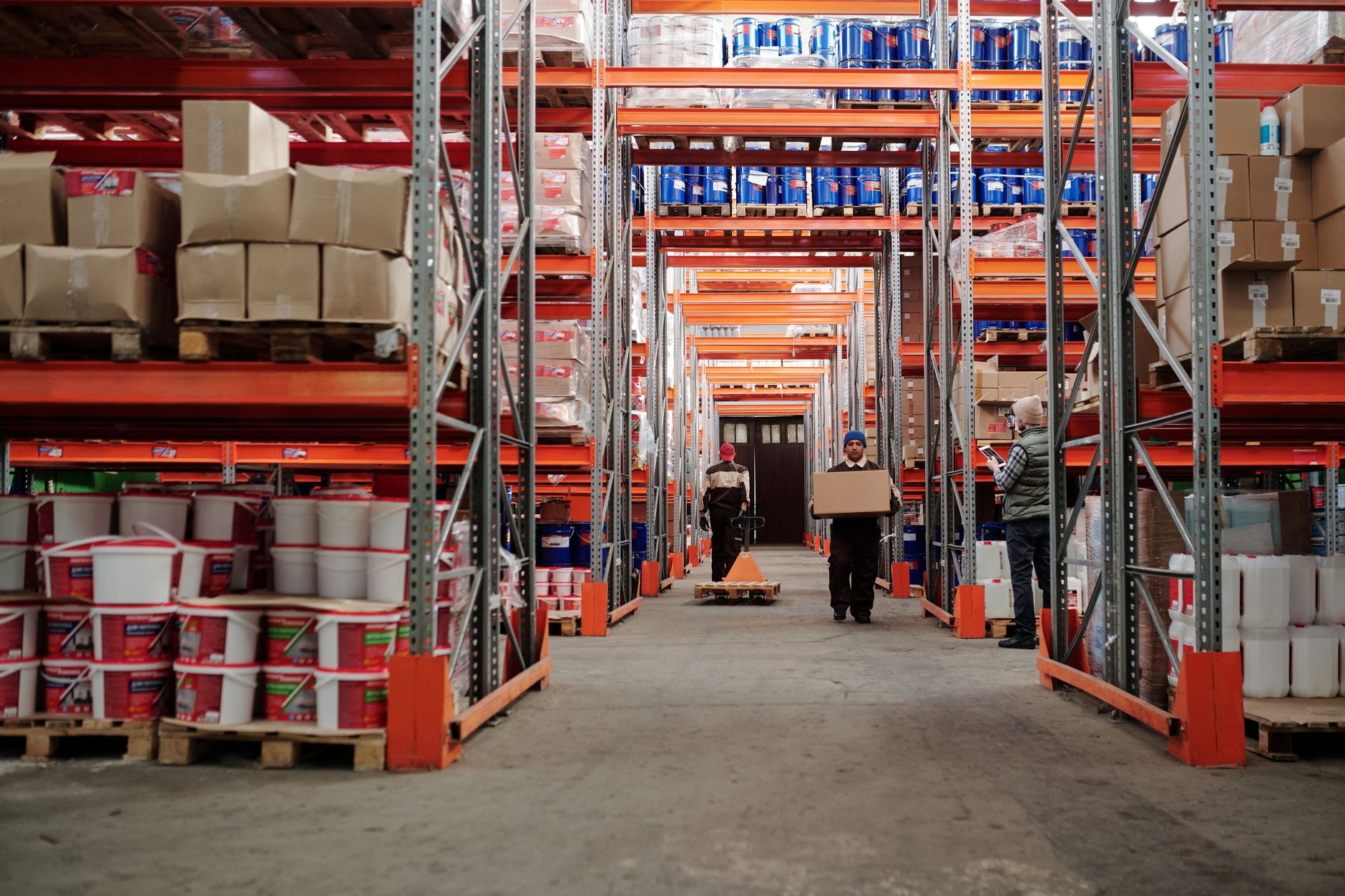
Shuttle rack is widely deployed at Vietnamese enterprises with high-density storage needs, fast throughput speed, and optimized operational costs. Typical industries include logistics, retail, manufacturing, pharmaceuticals, and food.
- 3PL logistics centers: Storage of consumer goods, electronics, and apparel with fast inbound/outbound requirements. Shuttle rack increases throughput by 3-4 times, reducing dwell time from 5 days to 2-3 days.
- Retail/e-commerce warehouses: Meeting fast picking needs for small individual orders. Shuttle rack + system picking (pick-to-light) increases picking speed from 100 lines/hour to 250-300 lines/hour.
- Manufacturing plants: Storage of raw materials, semi-finished goods, and finished goods in JIT (Just-In-Time) processes. Reduces warehouse space by 40-50%, reduces storage costs by 25-35%.
- Pharmaceutical and chemical warehouses: Requiring precise traceability, temperature control, and pallet history. Shuttle rack + RFID/barcode tracking ensures 100% accurate traceability, compliant with GMP.
- Cold food storage: Shuttle rack operates at temperatures from -15°C to -25°C. Lithium batteries maintain 90% performance, reducing electricity costs compared to traditional AS/RS systems.
Common mistakes when implementing shuttle rack
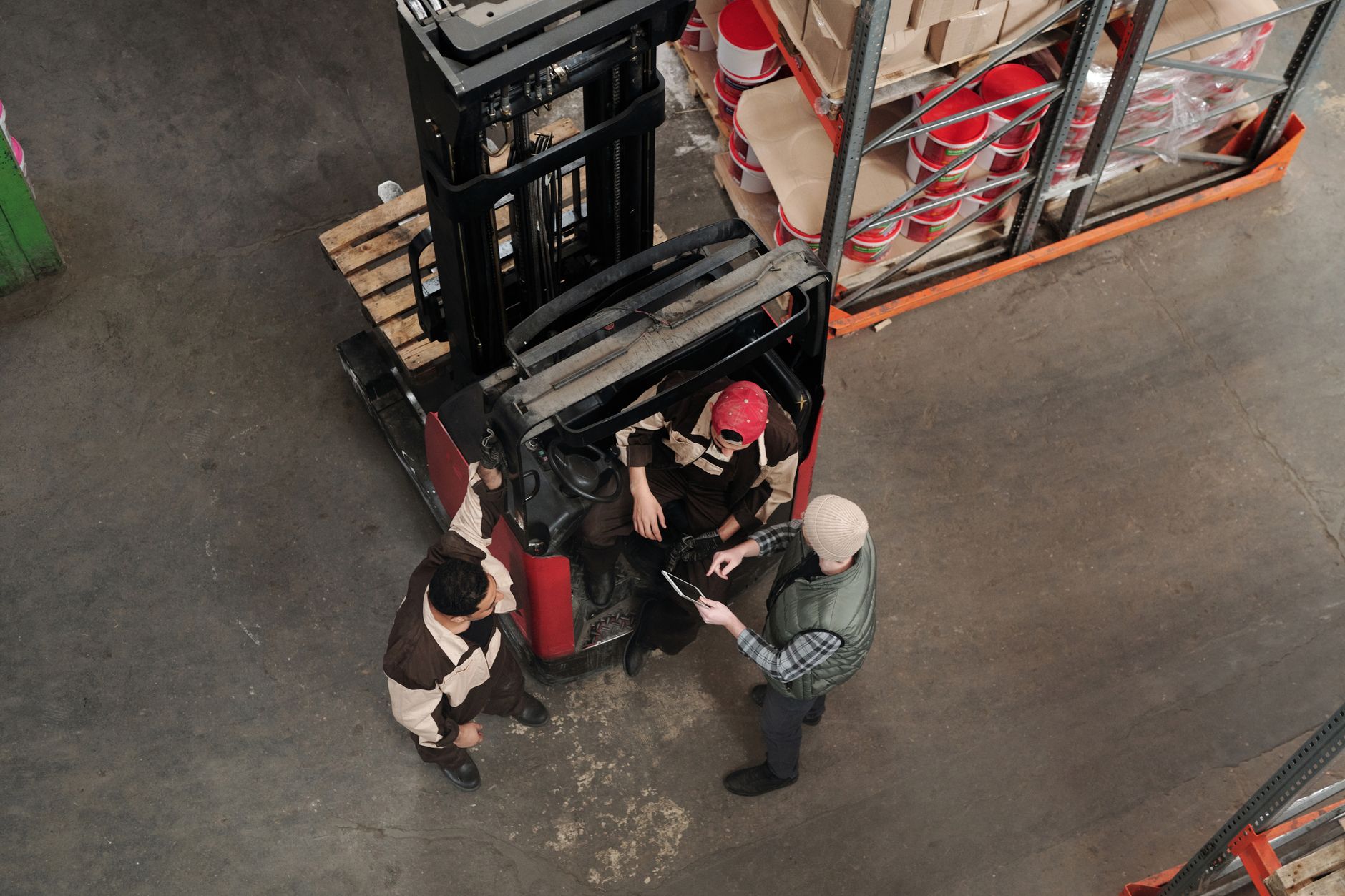
Many Vietnamese enterprises encounter mistakes during the planning, design, and operation phases of shuttle rack, leading to budget overruns, prolonged implementation time, or performance not meeting expectations.
❌ Mistake 1: Choosing rack dimensions unsuitable for actual load capacity
Many enterprises only calculate average load capacity while ignoring seasonal peaks. Result: shuttle rack cannot handle the load, causing damage, or requiring additional shuttle purchases, increasing costs by 30-40%.
✅ Solution: Calculate load capacity based on peak demand (usually 40-60% higher than average), reserve 20% capacity to ensure flexibility.
❌ Mistake 2: Not integrating WMS from the start, controlling the shuttle manually
Some small enterprises only implement shuttle rack without WMS or ERP. Result: losing the benefits of location optimization, requiring manual intervention, no speed increase, low ROI.
✅ Solution: Implement WMS/ERP synchronously with shuttle rack from the initial stage. If the budget is limited, use low-cost cloud WMS software (200-500 USD/month).
❌ Mistake 3: Choosing the wrong type of battery, leading to excessively long charging times
Some suppliers use old lead-acid batteries instead of lithium-ion. Result: charging time 12-16 hours, shuttle insufficient capacity during peak hours, speed reduced by 40-50%.
✅ Solution: Mandate the use of lithium-ion batteries of 100Ah or higher, supporting fast charging (4-6 hours). Check the CE/UL certification of the battery before signing the contract.
❌ Mistake 4: Designing racks too high without calculating stability
Racks 15m+ high without diagonal bracing or pallet safety locks. Result: shuttle movement vibrates, pallets fall, labor accidents, operations halted for 1-2 weeks.
✅ Solution: Racks 12m and above must have cross bracing, pallet level sensors, and a magnetic signature system to keep pallets safe. Comply with RMI (Rack Manufacturers Institute) standards.
❌ Mistake 5: Not training staff, causing shuttle damage due to improper use
Staff do not understand battery maintenance or basic troubleshooting. Result: shuttle breakdowns, downtime of 2-3 days, repair costs of 50 million VND per incident.
✅ Solution: Mandate the supplier to provide a 3-5 day training course for 5-10 employees. Create a monthly maintenance log: check batteries, rails, sensors, lubricant.
FAQ — Frequently asked questions about shuttle rack
Below are common questions from Vietnamese enterprises when evaluating the shuttle rack solution for their warehouse.
Is shuttle rack suitable for small warehouses (500-1000 pallets)?
Shuttle rack is typically recommended for warehouses with 2000+ pallets or more, due to the high investment cost (80-120 EUR/pallet). However, if a small warehouse has very high throughput requirements (50+ pallets/hour) or limited space, shuttle rack may still be worth considering. In that case, only deploy 1-2 shuttle hybrid racks (combining shuttle rack + conventional rack) to control costs. ROI calculation: if it saves 3-5 workers per shift, ROI is typically 2.5-3 years.
Can shuttle rack operate in cold storage (-20°C)?
Yes, shuttle rack operates well in cold storage from -15°C to -25°C. Lithium-ion batteries still maintain 85-95% efficiency at low temperatures. However, note the following: (1) Charging time is 20-30% longer (from 5 hours to 6.5-7 hours); (2) Optical sensors may be affected by frost/icing, requiring daily cleaning; (3) Lubricating grease must be cold-resistant, replaced every 6 months instead of 12 months. Operating costs increase by 10-15%.
How long does it take to deploy shuttle rack from contract to operation?
Average deployment time is 4-6 months: (1) Detailed design, drawings, approval: 3-4 weeks; (2) Manufacturing racks and shuttles: 6-8 weeks; (3) Shipping, assembly, inspection: 2-3 weeks; (4) Training, WMS debugging, trial operation: 2-3 weeks. If there are issues with warehouse dimensions or requirement changes, it may extend by 4-8 weeks. Recommendation: include penalty clauses in the contract for delays exceeding 2 weeks.
What is the annual maintenance cost for shuttle rack?
Annual maintenance cost is typically 3-5% of the total investment cost. For example, if the investment is 2 billion VND, the annual maintenance cost is 60-100 million VND. This includes: (1) Lithium battery replacement: 15-25 million VND/year (lifespan 3-5 years); (2) Periodic maintenance (rails, sensors, lubricating grease): 10-15 million; (3) 24/7 technical support: 10-15 million; (4) Unexpected repairs: 10-20 million. Recommendation: sign a full maintenance contract with the supplier, costing 4-6% of the investment per year, to avoid unexpected costs.
Can shuttle rack integrate with the company’s existing ERP system?
Yes, most shuttle racks support integration with popular ERP systems (SAP, Oracle, Odoo, Navision, IFS) via API/Webhook or an intermediate WMS. However, you need to confirm in advance: (1) Which ERP systems the shuttle rack supplier supports; (2) The data exchange format (XML, JSON, CSV); (3) API response time (real-time or 15-minute batch?). Integration cost is typically 50-150 million VND depending on complexity. If the current ERP is too old (pre-2015), it is recommended to upgrade the ERP first or deploy an independent cloud WMS (easier to integrate).
Is shuttle rack safe for employees working nearby?
Shuttle rack is designed with high safety standards. The shuttle vehicle operates at a speed of 1.2-1.5 m/s (slower than a regular forklift at 3-4 m/s), is equipped with obstacle detection sensors, and automatically stops if a person or obstacle is detected. However, compliance is required: (1) Do not allow employees into the warehouse while the shuttle is operating (the shuttle area must have barriers); (2) Use reflective vests and hard hats when working near the shuttle area; (3) Train employees on safety rules and warning signals. Adhering to OSHA/CE standards reduces accident probability by 95-99% compared to manual warehouses.
Shuttle rack is an optimal solution for Vietnamese businesses looking to increase storage density, improve inbound/outbound speed, and reduce operational costs. VietPOS Rack provides nationwide consultation, assembly, and maintenance services for shuttle rack. Contact kho tự động or call 0935 295 337 for a free consultation today.