
How Shuttle Rack Works: The Principle of Autonomous Vehicles
Shuttle Rack is a semi-automated warehouse system that uses autonomous shuttles to move pallets on rails. The article explains in detail the operating mechanism, from automatic control to storage optimization, helping FMCG warehouse managers understand the technology before investing.
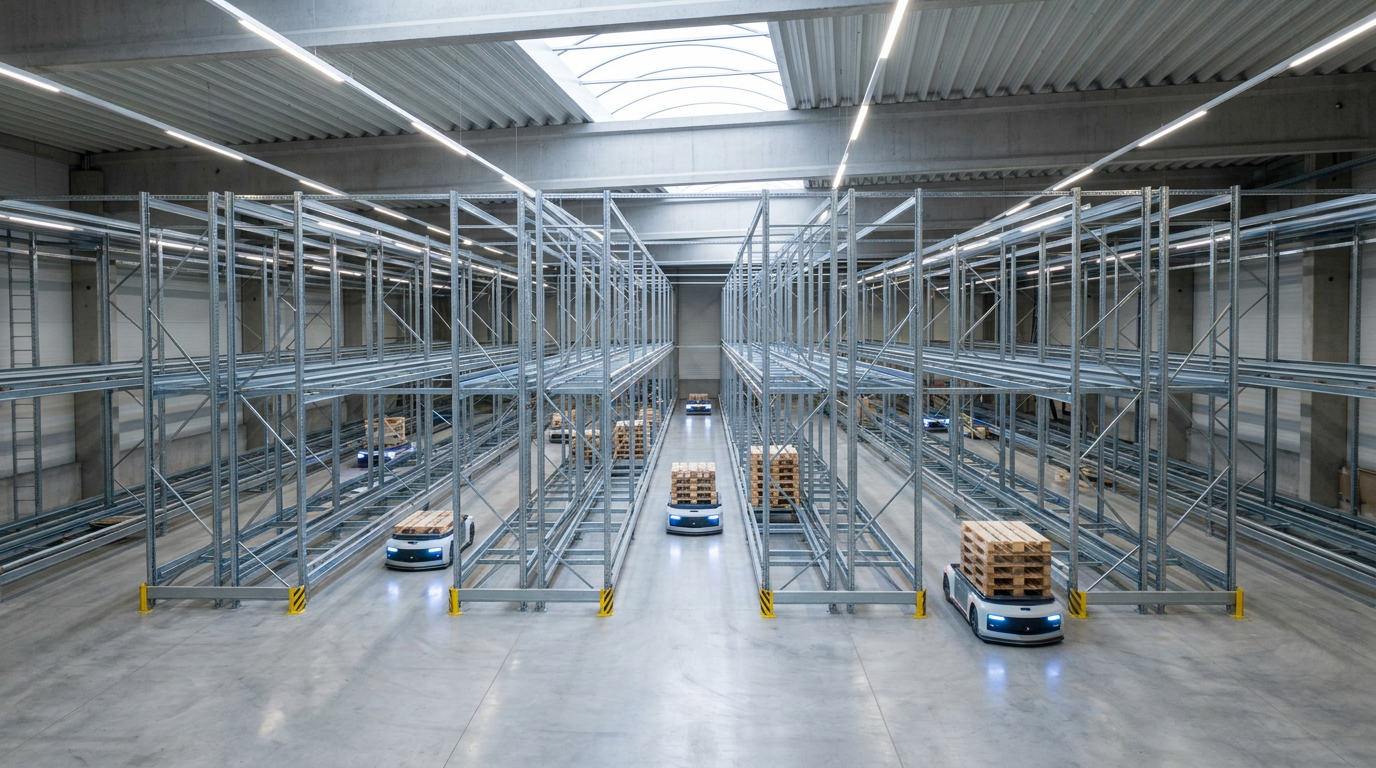
Shuttle Rack is a semi-automated warehouse solution integrating autonomous shuttles (shuttles) powered by lithium-ion batteries, moving pallets on rails based on commands from the WMS system or remote control. In Vietnam, this technology is being widely deployed in FMCG and food & beverage warehouses to increase storage density by up to 80% and reduce labor operating costs.
What is Shuttle Rack and how is it different from traditional shelving?
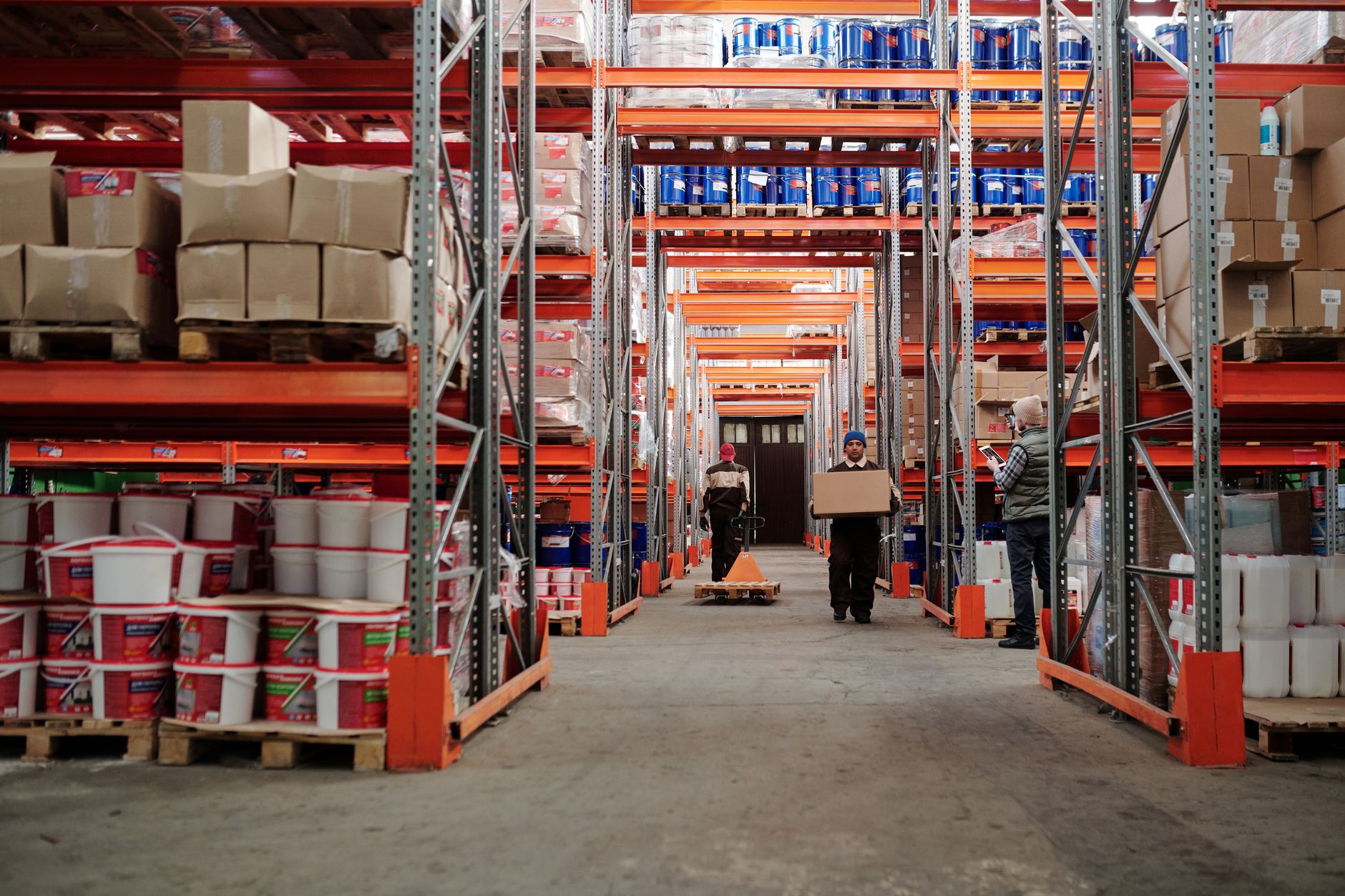
Shuttle Rack is a high-density storage system that uses autonomous shuttles (pallet shuttles) to move goods along rails installed on the rack. Unlike Drive-In racks that require forklifts to enter deep into the aisle, Shuttle Rack separates the forklift and the shuttle — the forklift only places the pallet at the aisle entrance, then the shuttle automatically receives and transports the pallet to the deepest storage position, minimizing manual intervention and increasing processing speed.
Core Definition: Shuttle Rack is a semi-automated warehouse system using autonomous battery-powered shuttles moving pallets on rails, controlled by a centralized WMS system, allowing for an 80% increase in storage density compared to conventional shelving, while reducing labor operating costs by 40-50%.
What are the main components of a Shuttle Rack system?
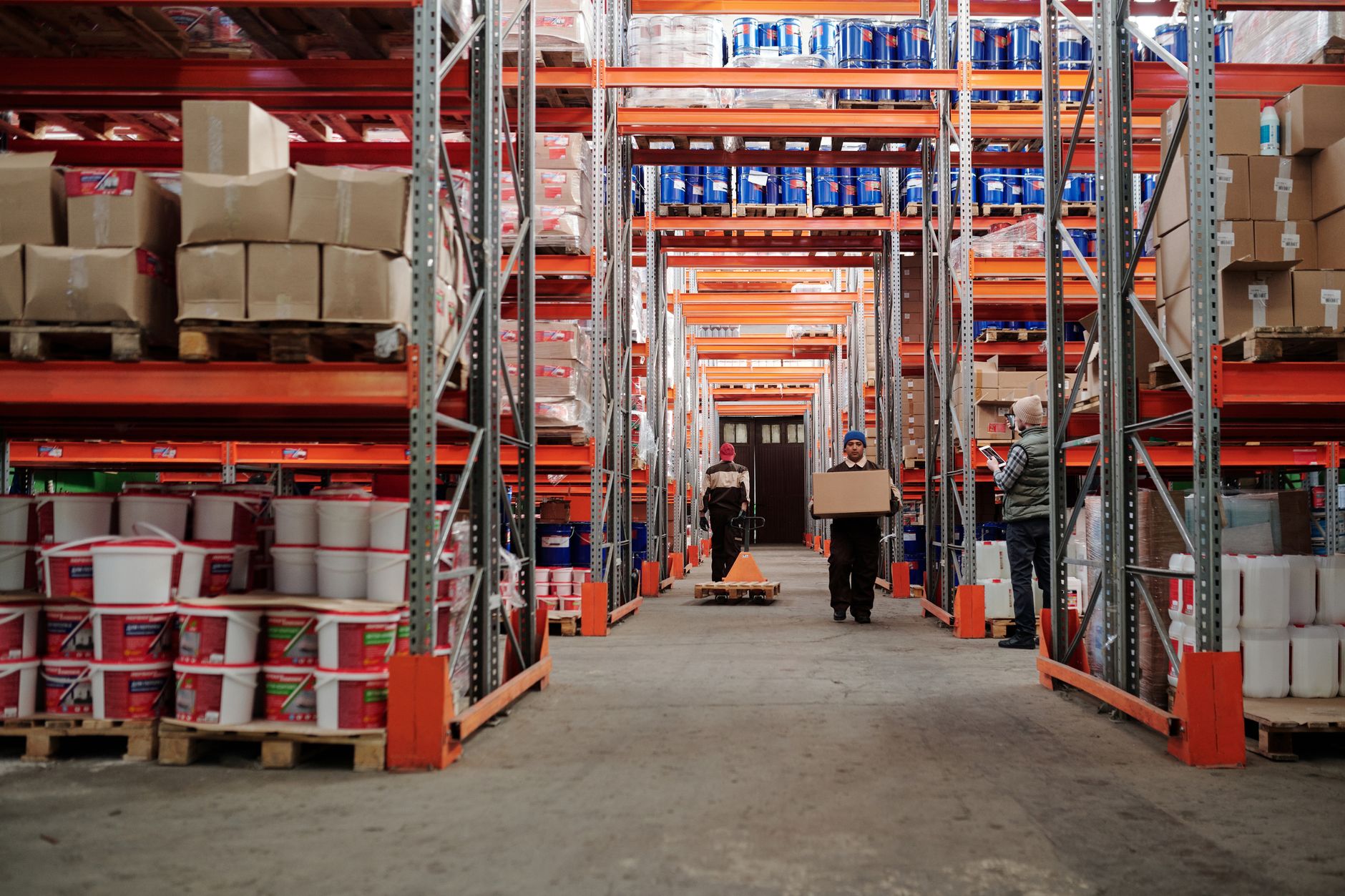
The Shuttle Rack system consists of 5 main components: (1) Standard pallet rack with horizontal rails; (2) Autonomous shuttle running on lithium-ion battery, compact in size (typically 1.2m × 1.0m × 0.8m); (3) Remote control system or centralized WMS; (4) Inbound/outbound station for forklift pallet handover; (5) Automatic battery charging system at the docking station.
- Pallet Rack: Designed with horizontal rail aisles, allowing the shuttle to move pallets in/out depth-wise. Rack height is typically 8-12m, each aisle holds 5-15 pallets depending on depth.
- Shuttle: Compact battery-powered robot, equipped with positioning sensors (RFID, camera, encoder), load capacity of 1-2 tons, travel speed of 1.5-2.0 m/s.
- WMS System: Centralized warehouse management software, optimizing shuttle routes, managing pallet expiration dates, providing real-time reports.
- Handover Station: Fixed position at the entrance of each aisle, where the forklift places/retrieves pallets, and the shuttle automatically receives and transports them.
- Charging System: Automatic docking station charges the shuttle battery when idle, ensuring the shuttle is always ready 24/7.
Operating Principle: How does the Shuttle run on the rail?
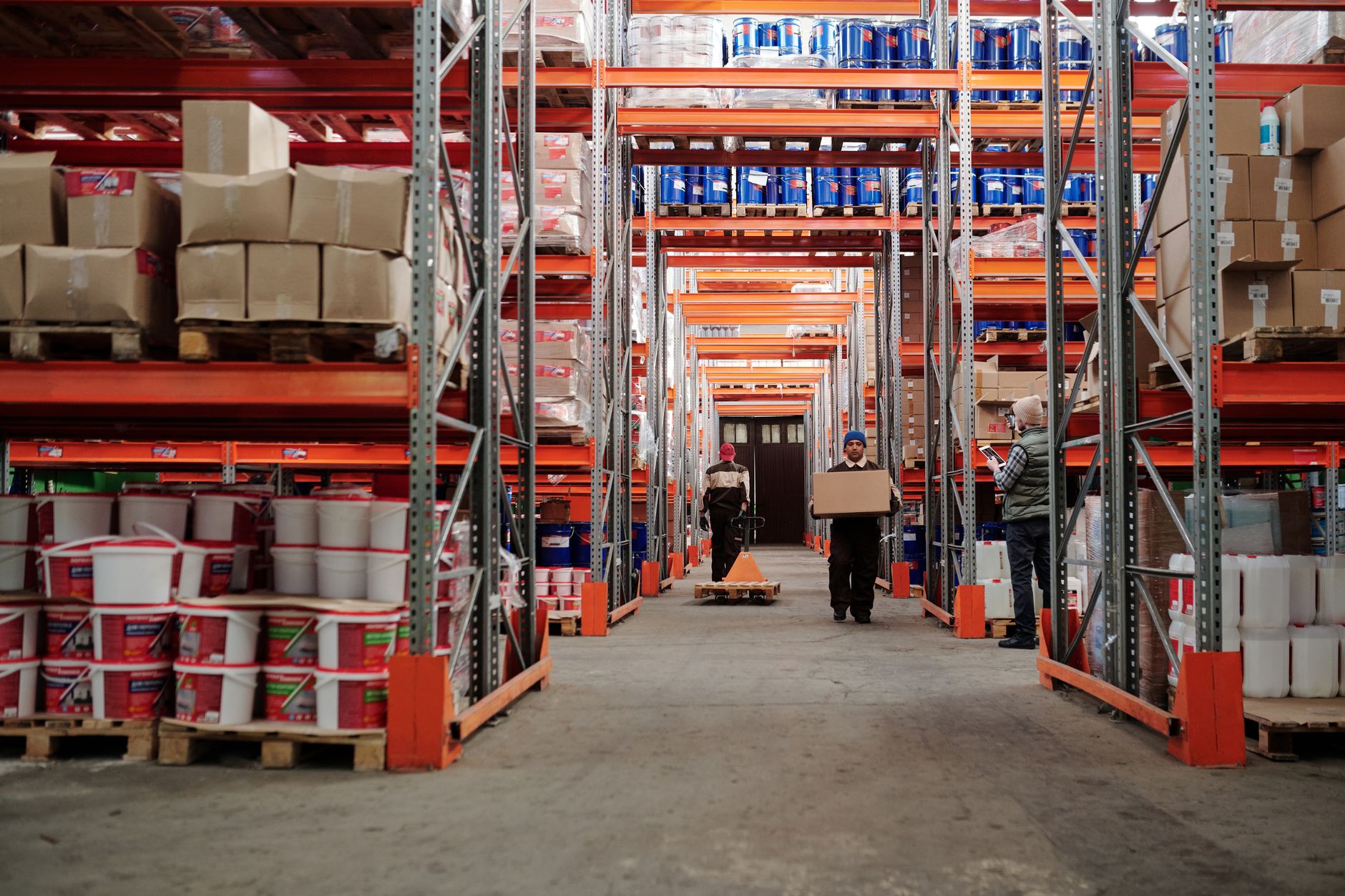
The Shuttle Rack operates in a cycle: (1) WMS receives a dispatch/receiving order from the system; (2) The shuttle is called from the docking station and runs to the inbound station; (3) The forklift places the pallet onto the shuttle; (4) The shuttle automatically receives the pallet, moves on the rail to the storage location (optimized by WMS); (5) When dispatch is needed, the shuttle is commanded to return, carrying the pallet to the outbound station; (6) The shuttle returns to charge its battery.
- Step 1 — Call the shuttle: WMS sends a command to call the nearest shuttle (or the shuttle with a full battery) from the docking station. The shuttle is activated and runs to the inbound station at a speed of 1.5-2.0 m/s.
- Step 2 — Receive the pallet: The forklift places the pallet onto the shuttle using the lifting mechanism. The RFID sensor on the shuttle reads the pallet ID and sends the information to WMS for confirmation.
- Step 3 — Enter storage: The shuttle receives a command from WMS and moves into the rail lane to the optimized location (usually FIFO or LIFO depending on the strategy). The shuttle uses an encoder (position sensor) or camera to precisely locate the pallet position within the lane.
- Step 4 — Store the pallet: The shuttle places the pallet at the deepest position in the lane (can be 5-15 pallets deep), then returns to the station.
- Step 5 — Dispatch goods: When dispatch is needed, WMS sends a command for the shuttle to enter the lane, find the pallet with the correct ID, and bring it to the outbound station. The forklift receives the pallet and takes it to the packing or shipping area.
- Step 6 — Charge battery & wait for commands: The shuttle returns to the docking station, automatically connects to the charging cable, and waits for the next command. A single shuttle can typically handle 30-40 pallets/hour.
Optimizing Storage: How Shuttle Rack Increases Warehouse Density?
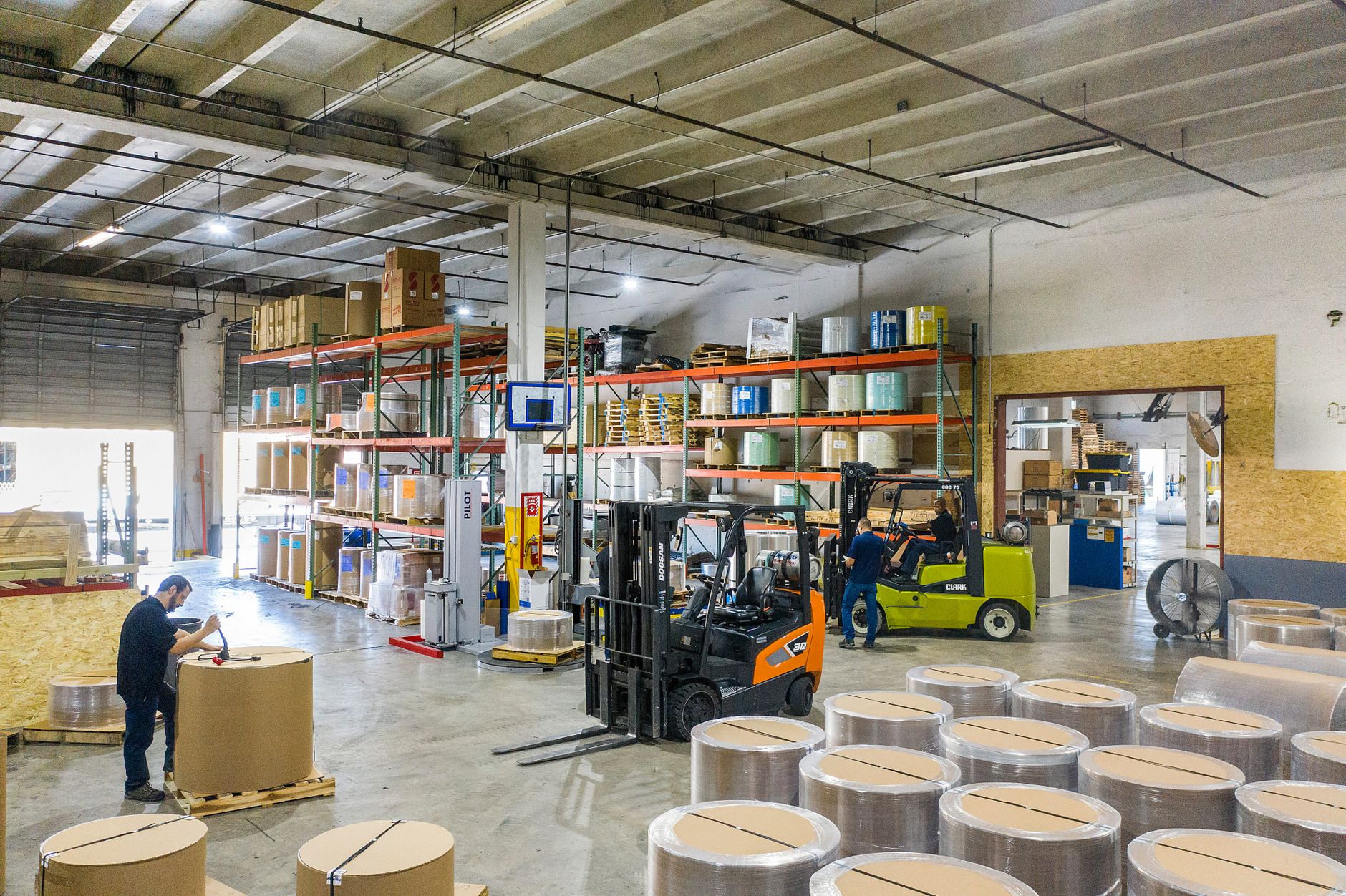
Shuttle Rack increases storage density by: (1) Eliminating deep forklift aisles within the rack — instead, the forklift only needs to place pallets at the aisle entrance; (2) Allowing deep lanes of 5-15 pallets (Drive-In only allows 2-3); (3) Optimizing rack height up to 10-12m; (4) WMS automatically arranges pallets according to FIFO/LIFO rules, reducing search time.
| Parameter | Shuttle Rack | Drive-In Rack | Selective Rack |
|---|---|---|---|
| Storage Density | 80% higher than traditional racks | 60-70% higher | Lowest (1 pallet/position) |
| Processing Speed | 30-40 pallets/hour/shuttle | 10-15 pallets/hour | 60+ pallets/hour (but requires many forklifts) |
| Lane Depth | 5-15 pallets | 2-3 pallets | 1 pallet |
| Operating Cost | Low (1-2 shuttles, less labor) | Medium (2-3 forklifts) | High (4-5 forklifts + labor) |
Application of Shuttle Rack in Vietnamese FMCG Warehouses
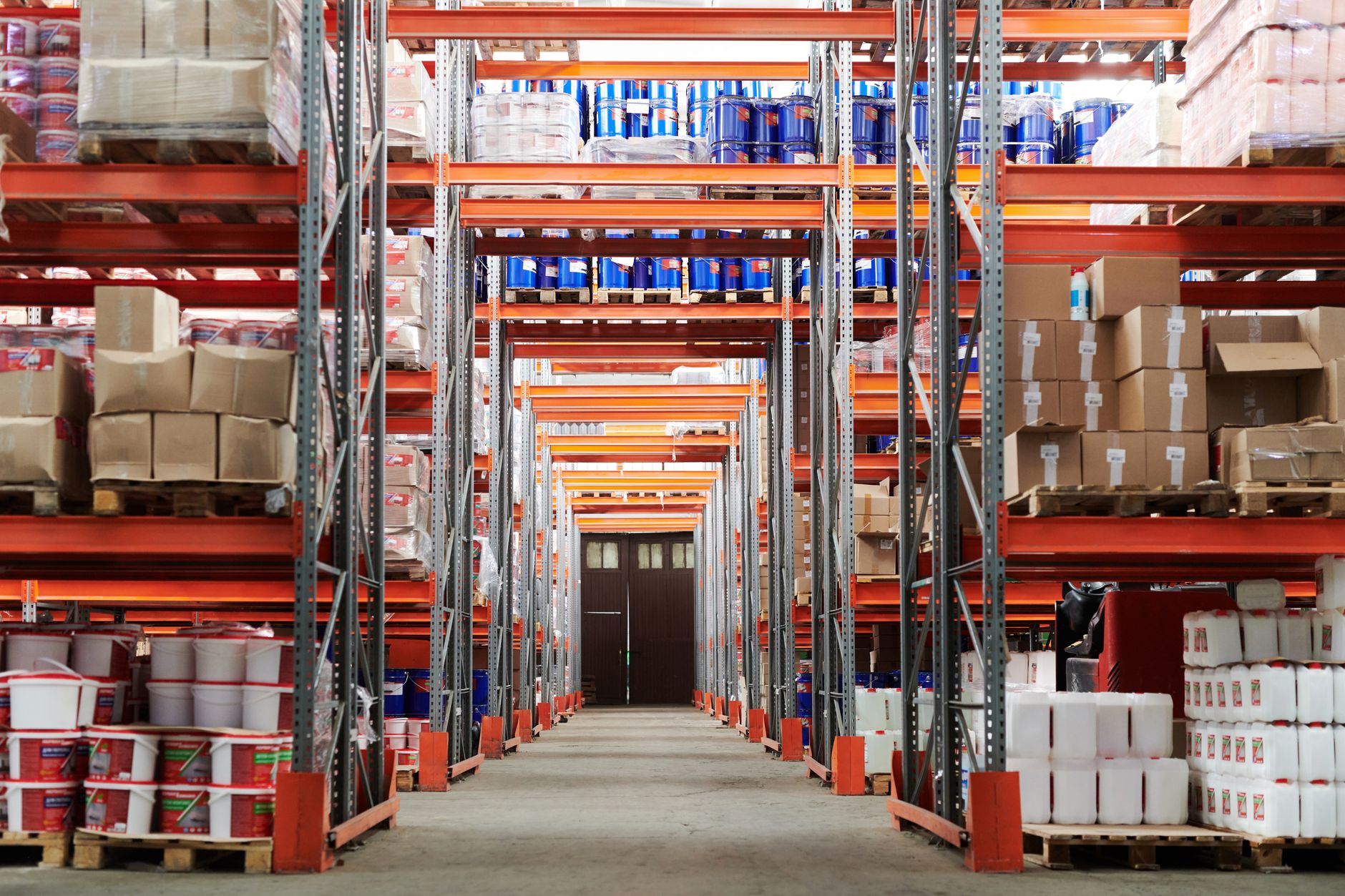
Shuttle Rack is widely applied in FMCG, food, and beverage warehouses due to the industry’s specific characteristics: goods with expiration dates, strict FIFO requirements, and high transaction volumes (5,000-20,000 pallets/month). Example: A beverage distribution warehouse in Binh Duong (La Me) deployed 3 shuttles, processing 12,000 pallets/month, reducing labor costs by 45%. A frozen food warehouse in Ho Chi Minh City (Tan Phat) uses 2 shuttles, increasing density from 3,500 to 6,200 pallets within the same 2,000m² area.
Common Mistakes When Choosing Shuttle Rack
❌ Mistake 1: Choosing Shuttle Rack for a warehouse with too many SKUs (>500 SKUs). Shuttle Rack is optimized for low-variety, high-volume goods (e.g., water, beer, milk). If SKUs are too diverse, WMS costs + aisle configuration will increase dramatically.
❌ Mistake 2: Not calculating electrical infrastructure costs — Shuttle Rack requires a stable 220-380V electrical system, and lithium-ion batteries need centralized charging. Old warehouses lacking power will require upgrades (costing 50-100 million VND).
❌ Mistake 3: Investing in too many shuttles from the start. You should start with 1-2 shuttles, run a trial for 3-6 months, measure the actual ROI, then expand. Many businesses buy 5-6 shuttles initially, only to have 2-3 shuttles sit idle.
❌ Mistake 4: Ignoring battery maintenance costs — Lithium-ion shuttle batteries have a lifespan of 3-5 years, with replacement costs of 20-30 million VND/battery. Maintenance planning should begin from year 2.
❌ Mistake 5: Not training maintenance technicians. Shuttle Rack requires specialized technicians to calibrate sensors and update WMS software. A lack of personnel will lead to prolonged downtime.
Frequently Asked Questions — FAQ
To better understand Shuttle Rack, please refer to related articles:
- Shuttle Rack vs Drive-In: Which solution to choose for the FMCG warehouse in 2026? — Comparison of costs, performance, and selection scenarios.
- Deploying Smart AS/RS Warehouse: 7 Steps for Vietnamese SMEs — Detailed guide from survey to operation.
- Automated Warehouse Racks Reduce Operating Costs by 40%: Selection Guide — ROI analysis and criteria for selecting automated racks.
Summary: When to Invest in Shuttle Rack?
FMCG businesses should consider Shuttle Rack when: (1) Transaction volume ≥ 5,000 pallets/month; (2) Warehouse space is limited but capacity needs to increase; (3) Goods are low-variety, high-volume (water, beer, milk, frozen food); (4) There is a budget of 500-800 million VND for infrastructure + 3-5 year ROI; (5) Warehouse personnel are ready to learn a new WMS system. Shuttle Rack is not suitable for warehouses with too diverse SKUs, low transaction volume (<2,000 pallets/month), or weak electrical infrastructure.
Are you considering deploying Shuttle Rack for your FMCG warehouse? Contact Việt Đức Trí Group immediately for advice on the right smart warehouse solution. Hotline: 0935 295 337 — We are ready to support warehouse surveys, needs assessment, and detailed deployment planning.