
Pallet Shuttle vs Drive-In Rack: Which solution to choose for FMCG warehouse 2026?
Pallet Shuttle and Drive-In Rack both optimize storage density, but differ in retrieval speed, operating costs, and scalability. This article provides a detailed comparison of the two solutions to help you choose the right one for your FMCG warehouse.
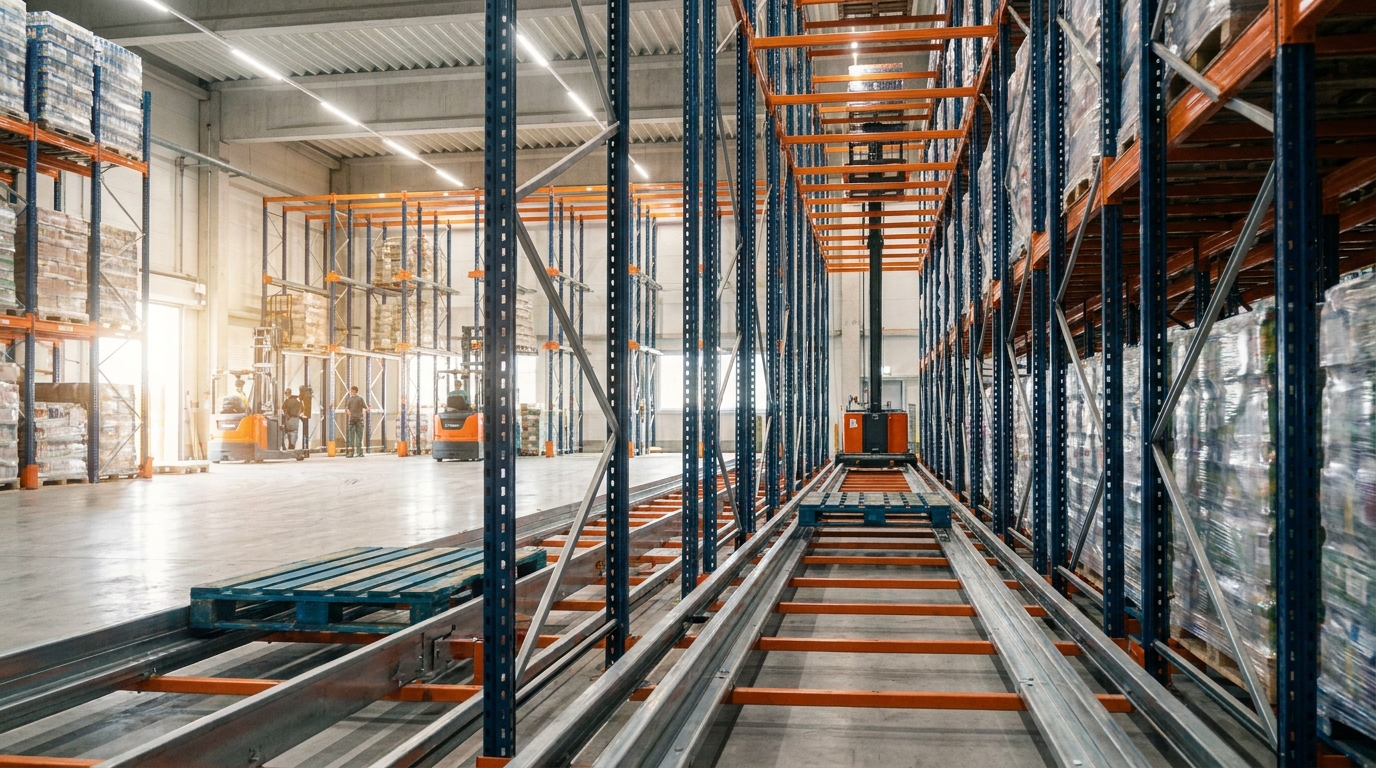
Pallet Shuttle and Drive-In Rack are both storage density optimization solutions widely applied in FMCG warehouses in Vietnam. However, these two technologies differ significantly in retrieval speed, operational cost, and scalability. This article provides a detailed comparison to help you choose the most suitable solution for your warehouse operations.
What is Drive-In Rack? Operating Principle and Applications
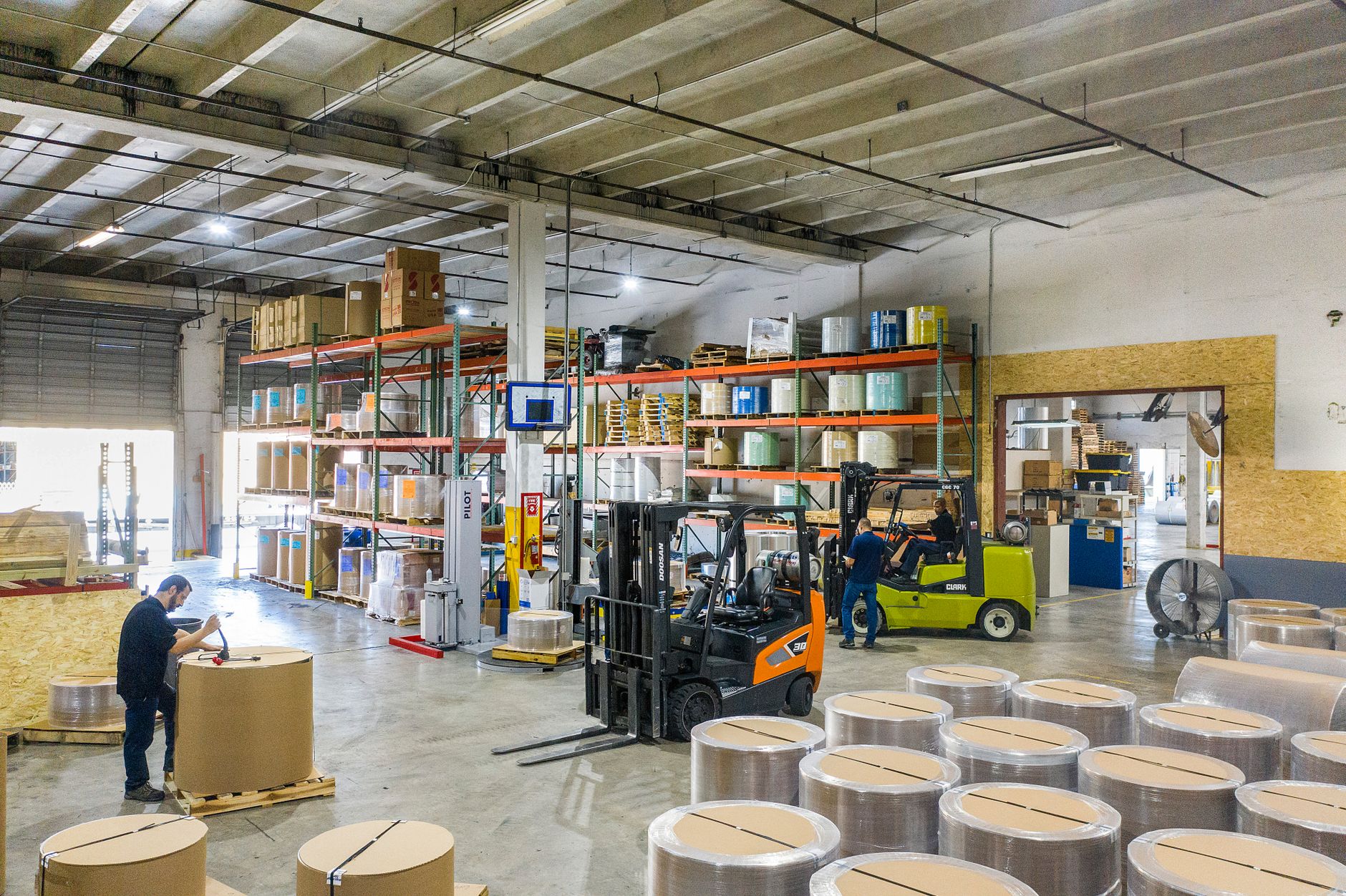
Drive-In Rack is a pallet racking system that allows forklifts to drive directly into the rack structure to place or retrieve pallets. Unlike traditional racks, Drive-In Rack uses a guide rail system and pallet frames arranged in depth, optimizing storage density by up to 100% of the floor area.
Drive-In Rack operates on the LIFO (Last In First Out) principle, meaning the last pallet placed in is the first one retrieved. This makes the system highly efficient for homogeneous goods with similar shelf lives or where detailed SKU management is not required.
- Highest storage density (100% of floor space utilized)
- Lower capital cost compared to Pallet Shuttle
- Suitable for homogeneous goods, FMCG with stable inventory
- Slow retrieval speed as forklifts must drive into the rack
What is Pallet Shuttle? How it Works with Automated Vehicles
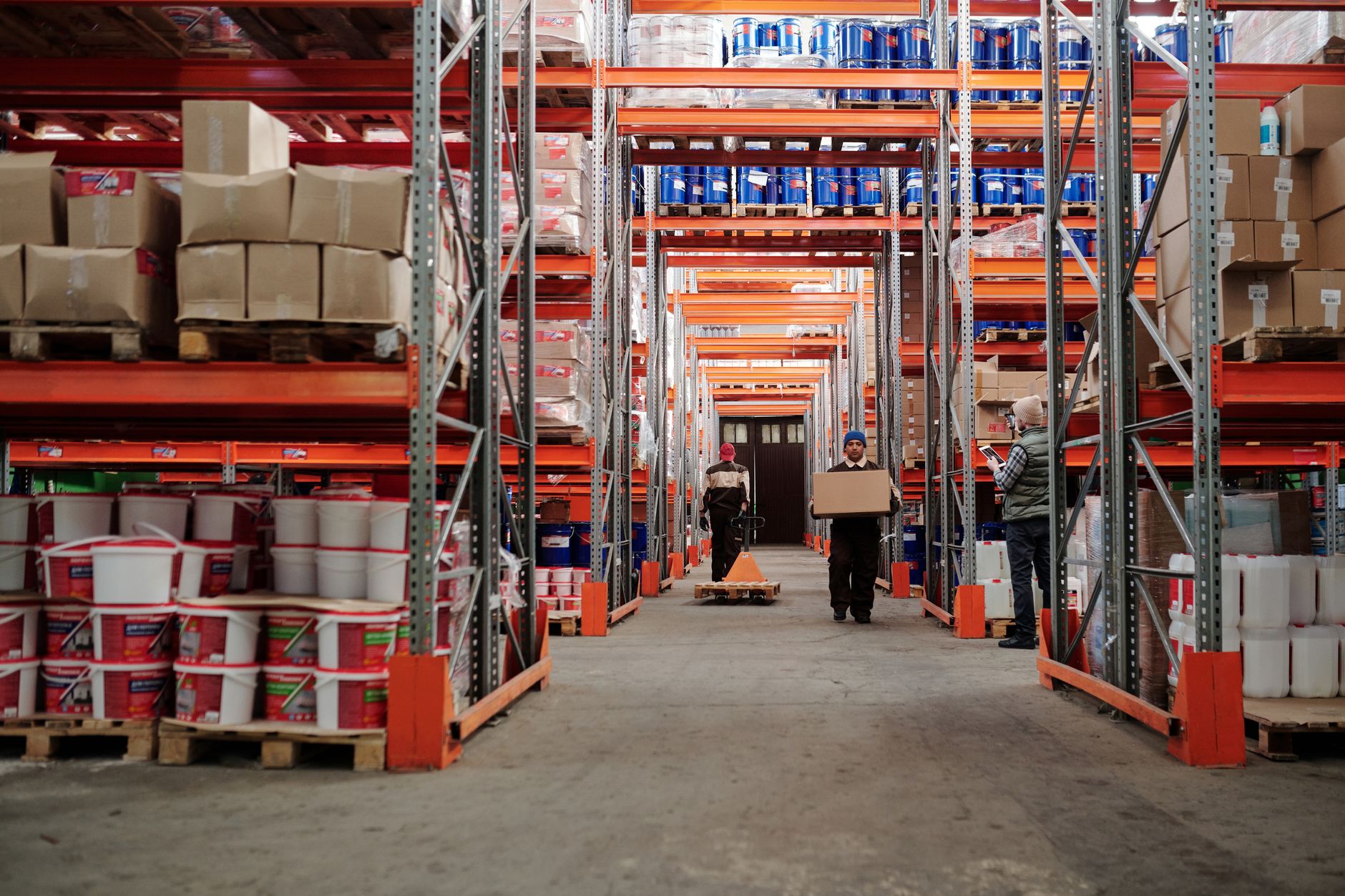
Pallet Shuttle is an automated warehouse system that uses autonomous shuttle cars running on rails within the rack to automatically retrieve and place pallets without requiring forklifts to drive inside. The entire process is controlled by an integrated Warehouse Management System (WMS), enabling 24/7 operation with high accuracy.
Pallet Shuttle operates on FIFO (First In First Out) or LIFO principles depending on configuration, making it easier to manage diverse goods. The Shuttle cars move, stack, and retrieve pallets automatically based on commands from the WMS, minimizing manual intervention.
- Retrieval speed 3-5 times faster than Drive-In Rack
- Flexible multi-SKU management, optional FIFO/LIFO
- High labor safety (forklifts do not need to drive into the rack)
- Higher initial cost, requires integrated WMS
Detailed Comparison: Pallet Shuttle vs Drive-In Rack
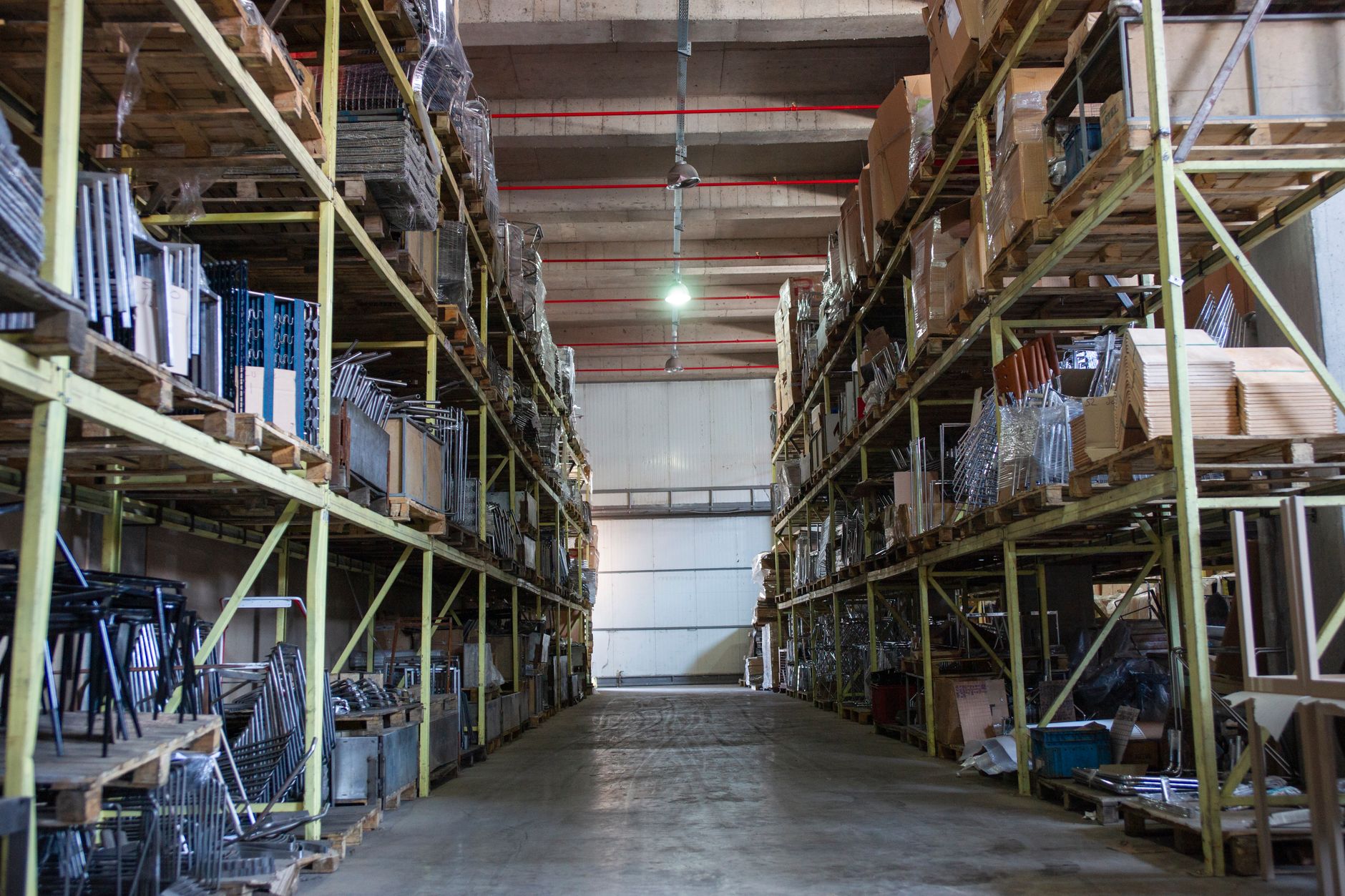
To choose the right solution, you need to compare important criteria such as storage density, operational speed, capital costs, and annual operating costs. The table below summarizes the key differences:
| Criteria | Drive-In Rack | Pallet Shuttle | Best for FMCG |
|---|---|---|---|
| Storage Density | 100% floor area | 80-90% (needs forklift aisle) | Drive-In Rack |
| Retrieval Speed (cycles/hour) | 20-30 cycles/hour | 80-120 cycles/hour | Pallet Shuttle |
| Initial Capital Cost (1000m² warehouse) | 800-1,200 million VND | 2,500-3,500 million VND | Drive-In Rack |
| Annual Operating Cost | 40-60 million VND (maintenance, forklifts) | 80-120 million VND (electricity, Shuttle maintenance, WMS) | Drive-In Rack |
| SKU Management | Limited (LIFO, homogeneous goods) | Flexible (FIFO/LIFO, multi-SKU) | Pallet Shuttle |
| Scalability | Requires expanding warehouse space | Increase number of Shuttles, easy system expansion | Pallet Shuttle |
| Labor Safety | High risk (forklifts drive into racks) | High safety (automation, no manual labor) | Pallet Shuttle |
Choose a Solution Based on FMCG Product Type
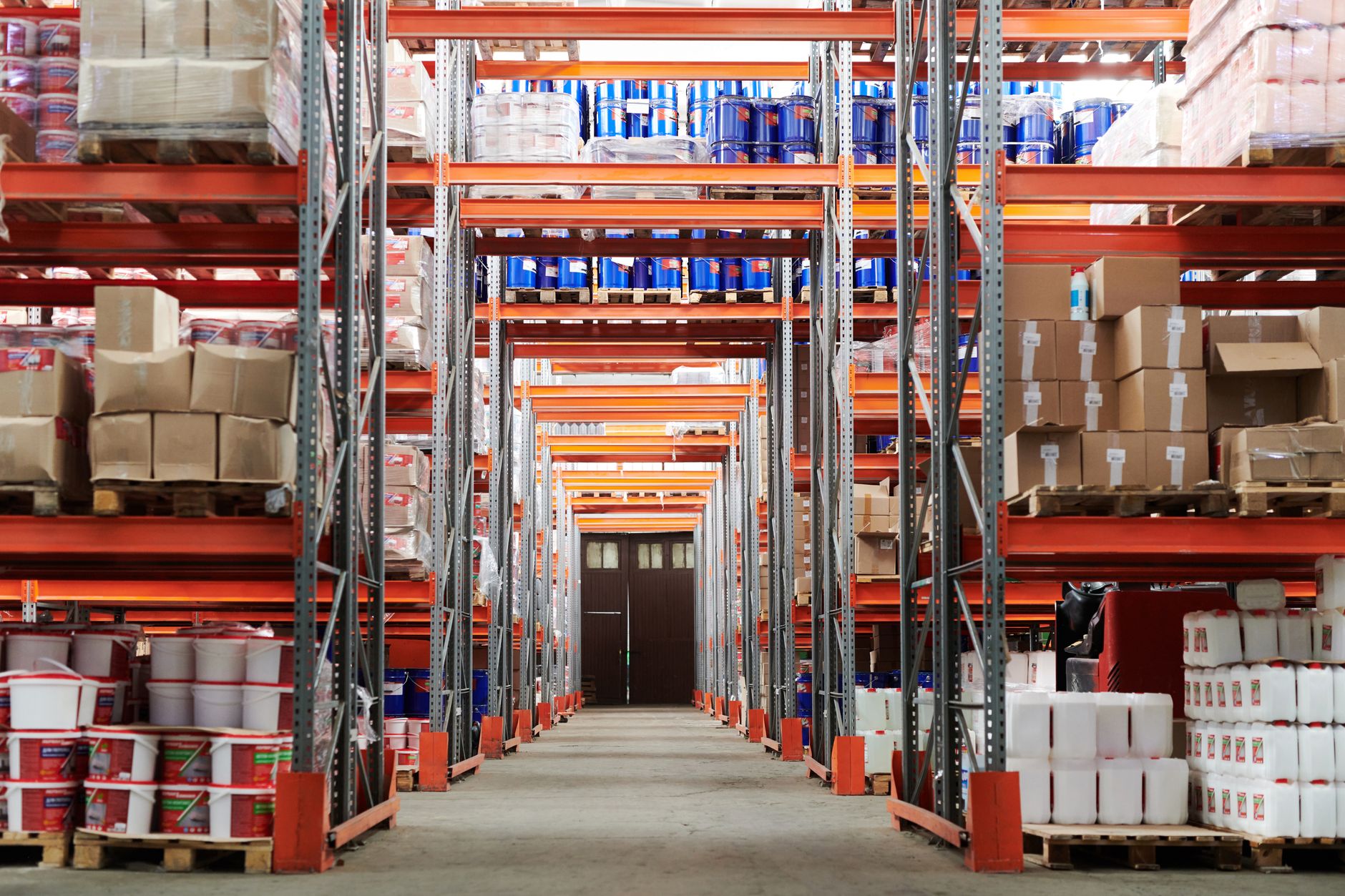
Choosing correctly between Pallet Shuttle and Drive-In Rack depends on your product type, retrieval frequency, and inventory strategy. Below is a guide by use case:
1. Frozen Food Products (frozen meat, fish, vegetables)
Recommendation: Pallet Shuttle — These products have a short shelf life, require strict FIFO management, and have high retrieval frequency (small orders, multiple times/day). Pallet Shuttle allows for fast retrieval speeds, accurate expiration date management, and reduces losses due to expiry.
2. Stable goods, long-term storage (cooking oil, salt, sugar, flour)
Recommendation: Drive-In Rack — These products have a long shelf life and stable inventory, requiring no detailed batch management. Drive-In Rack significantly saves capital costs, suitable for the low-profit nature of the FMCG industry.
3. Multi-SKU distribution warehouse (general goods: beverages, cakes, spices, fish sauce)
Recommendation: Pallet Shuttle — Distribution warehouses need to handle various goods with high picking frequency and small quantities. Pallet Shuttle is flexible, supports multi-SKU management, and integrates with WMS for fast retrieval.
4. Manufacturing plant with raw material inventory (flour, flavorings, packaging materials)
Recommendation: Drive-In Rack + Pallet Shuttle (combined) — Use Drive-In Rack for homogeneous, high-inventory raw materials; use Pallet Shuttle for fast-moving material zones. This hybrid solution balances cost and performance.
ROI and Payback Period

To decide between the two solutions, ROI must be calculated based on capital costs, operating costs, and benefits from labor savings and reduced product damage.
- Drive-In Rack: Capital cost 800-1,200 million VND, payback in 2-3 years thanks to warehouse space savings (no expansion needed). Suitable for businesses with limited budgets.
- Pallet Shuttle: Capital cost 2,500-3,500 million VND, payback in 3-4 years due to increased picking speed, reduced labor, and lower product damage. Suitable for businesses with stable cash flow and long-term vision.
According to a case study by Việt Đức Trí Group on implementing automated warehouses at manufacturing plants, the average FMCG business saves 30-40% in operating costs after 2 years of deploying Pallet Shuttle, thanks to a 50% reduction in warehouse labor and a 25% reduction in product damage.
Detailed Pros and Cons
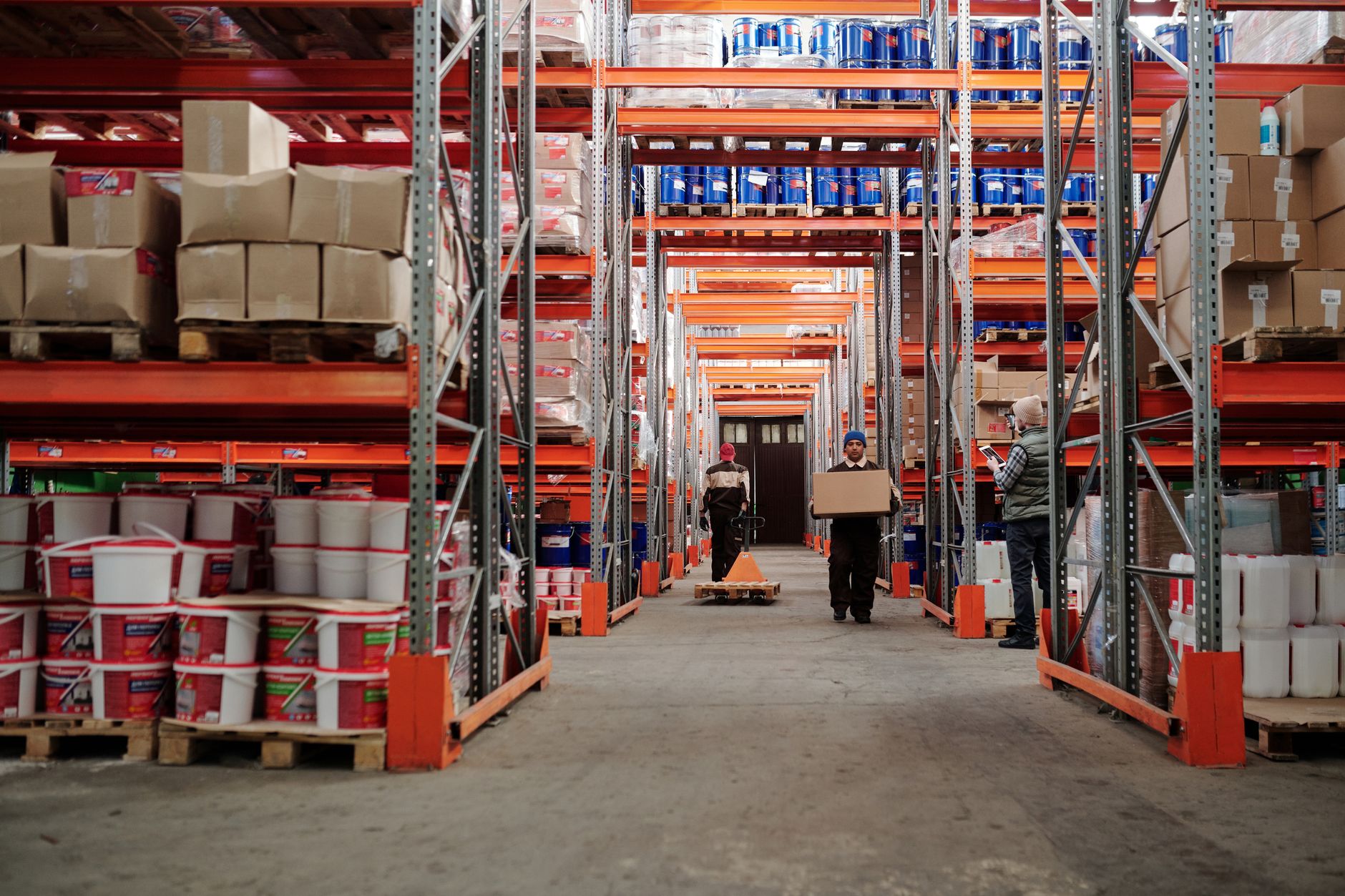
To support the final decision, below is a detailed list of the pros and cons of each solution:
Drive-In Rack
| Advantages | Disadvantages |
|---|---|
| ✓ Optimal storage density (100%) | ✗ Slow picking speed (20-30 cycles/hour) |
| ✓ Low capital cost | ✗ Limited SKU management (LIFO) |
| ✓ Low operating cost | ✗ Difficult to expand if speed increase is needed |
| ✓ Suitable for homogeneous goods | ✗ High occupational safety risk (forklift drives into rack) |
| ✓ Simple technology, easy maintenance | ✗ High product damage due to stacking |
Pallet Shuttle
| Advantages | Disadvantages |
|---|---|
| ✓ Fast retrieval speed (80-120 cycles/hour) | ✗ High capital cost (2,500-3,500 million VND) |
| ✓ Multi-SKU management, flexible FIFO/LIFO | ✗ High operating costs (electricity, maintenance, WMS) |
| ✓ High labor safety (automation) | ✗ Requires integrated WMS, trained staff |
| ✓ Reduces warehouse labor by 40-50% | ✗ Dependent on electrical system, WMS |
| ✓ Easy expansion (add Shuttle, increase storage) | ✗ Long-term ROI (3-4 years) |
Implementing Smart Warehousing: Next Steps Guide
If you decide to upgrade your FMCG warehouse with Drive-In Rack or Pallet Shuttle, you need to take the following preparation steps: assess storage needs, calculate detailed ROI, select a supplier, and create an implementation plan. The AS/RS smart warehouse implementation guide provides 7 detailed steps for your reference, from initial survey to system operation.
Việt Đức Trí Group offers comprehensive automated warehouse racking solutions to reduce operating costs, from design consulting, hardware supply, WMS integration, to operational support. Contact us now for a free warehouse assessment.
Frequently Asked Questions
Below are common questions from FMCG businesses when choosing between Pallet Shuttle and Drive-In Rack:
Contact Việt Đức Trí Group now for free consultation on automated warehouse solutions suitable for your FMCG needs. Hotline: 0935 295 337 — Email: [email protected]