
Factory cable tray installation: Process & 5 mistakes
Detailed guide to installing cable trays in industrial park factories from design to construction, including 5 common errors that cause electrical risks. Comply with TCVN 9208, IEC 61537 to achieve safe acceptance.
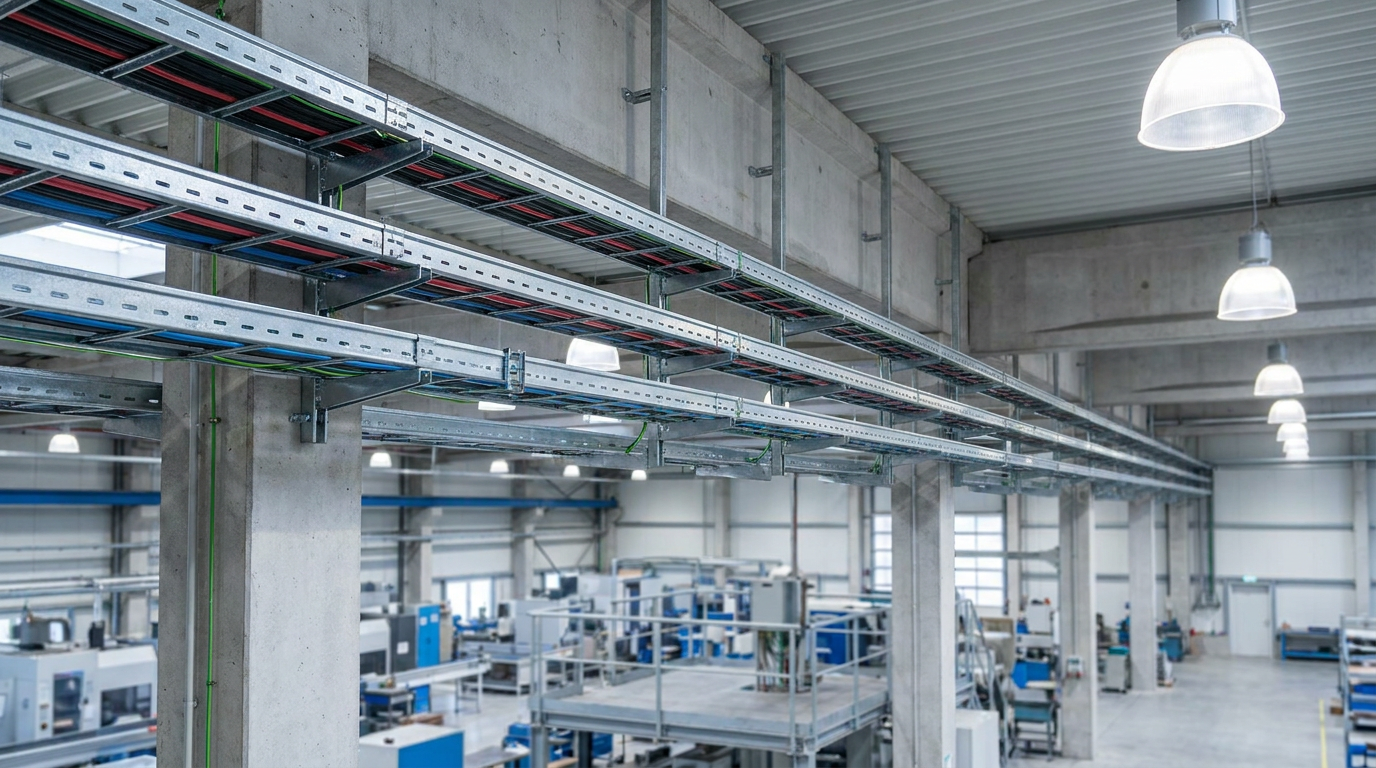
Cable tray is an essential power transmission infrastructure in industrial park factories, but construction errors — from excessively wide hanger spacing to a lack of equipotential bonding — can cause fires, production shutdowns, and even workplace fatalities. To comply with TCVN 9208:2012 and IEC 61537 standards, a clear understanding of the installation process from design, material preparation, fixing, grounding, to final acceptance is required.
Electrical safety issues faced by industrial park factories
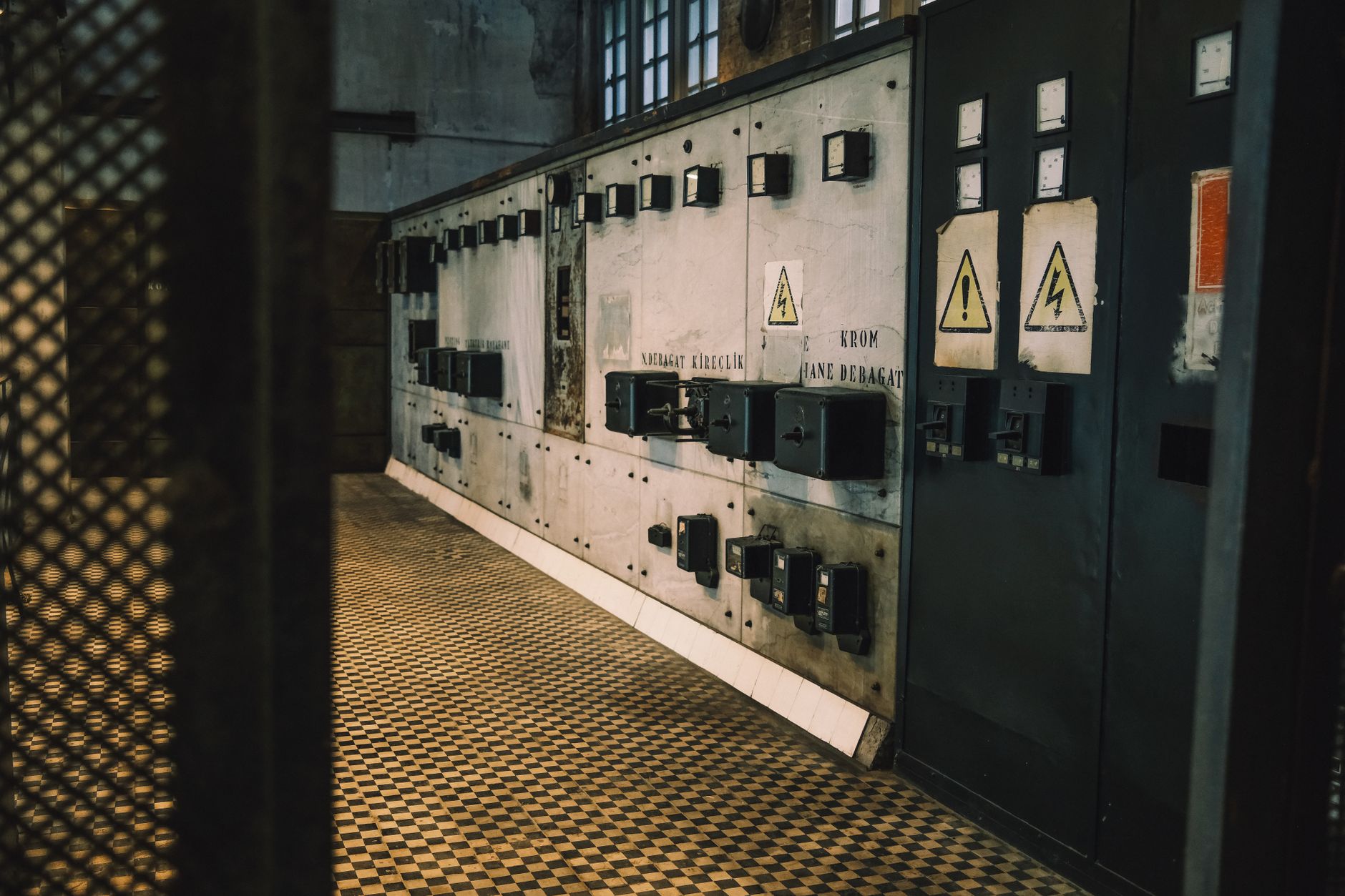
Many industrial park factories in Vietnam are still negligent regarding cable tray installation, leading to serious consequences. According to a 2024 report from the Electricity Regulatory Authority, 23% of electrical incidents in factories are related to non-compliant cable systems, of which 8% are due to insufficient fixing or lack of grounding.
- ⚠ Excessively wide hanger spacing: Cables sag, creating uneven pressure, and are prone to electrical exposure under dynamic load.
- ⚠ Lack of equipotential bonding: The tray is not grounded at each joint, leading to static electricity buildup, posing a fire and explosion risk during faults.
- ⚠ No load capacity check: Installing cables exceeding the design load causes the tray to sag and cables to pinch, damaging the insulation sheath.
- ⚠ Use of non-standard materials: Cheap cable trays without IEC certification are prone to rust and lose their grounding capability.
- ⚠ Failure to check design drawings: Installation not following the drawings leads to non-compliance with safety distances from other equipment.
Standard cable tray installation procedure per TCVN 9208
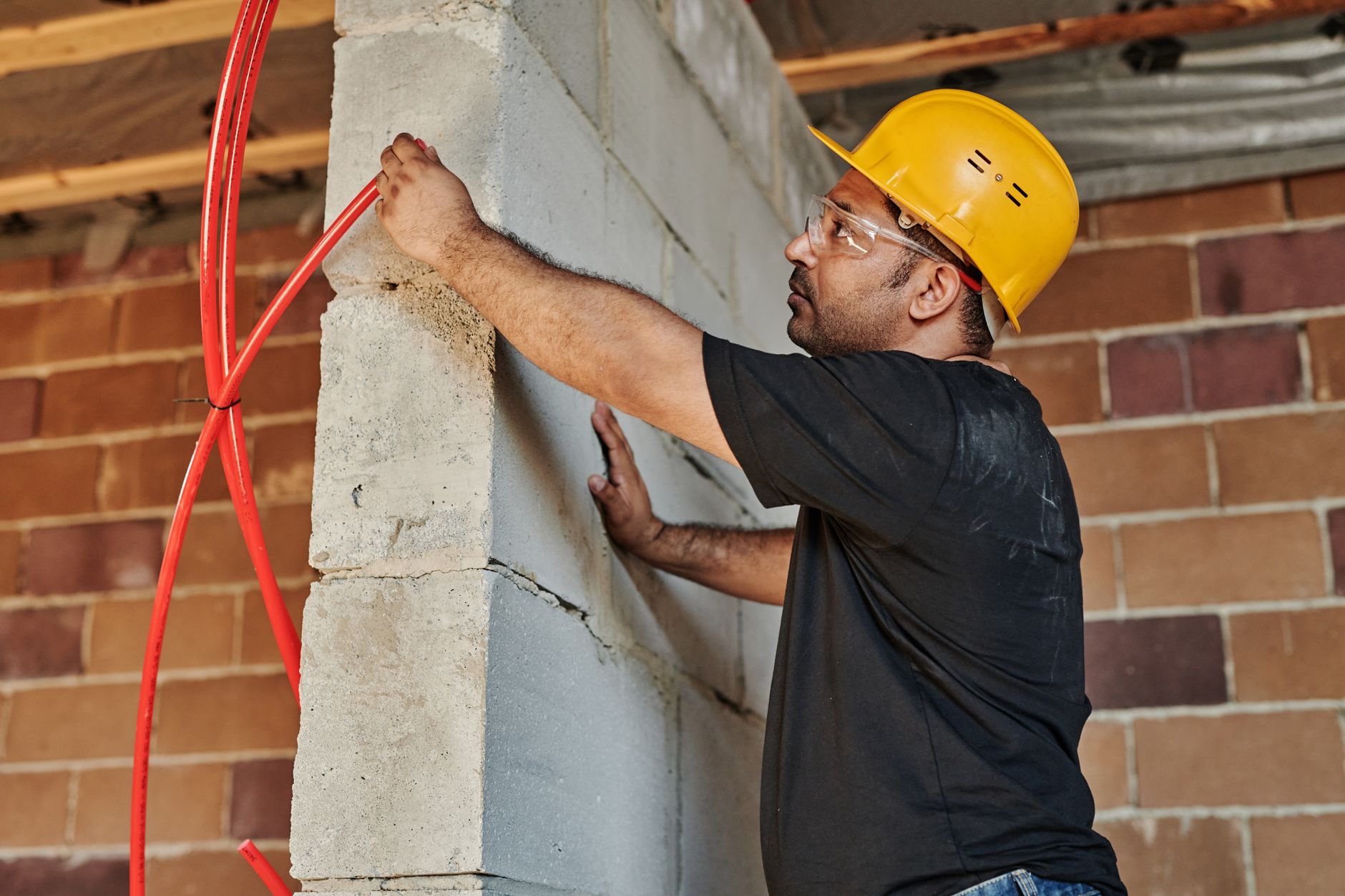
Cable tray installation must follow 5 main steps, from preparation to acceptance. Each step has specific inspection criteria to ensure electrical safety and long-term durability.
- Step 1: Material preparation and drawing review — Review the M&E design drawings, determine the cable tray route, and ensure safe distances from other equipment (minimum 0.5m from air pipes, 0.3m from water pipes). Prepare cable trays, supports, M8-M12 bolts, 10mm² copper grounding wire, crimping pliers, drill machine, and check the supplier’s IEC 61537 certificate.
- Step 2: Installing supports and fixing the cable tray — Cut the cable tray to design dimensions, install supports at intervals of 1.5-2m (depending on tray size and cable load). Use M8-M12 expansion bolts to fix them to walls/columns, ensuring they are tight and not loose. Check levelness with a spirit level, tolerance ≤ 2mm/m.
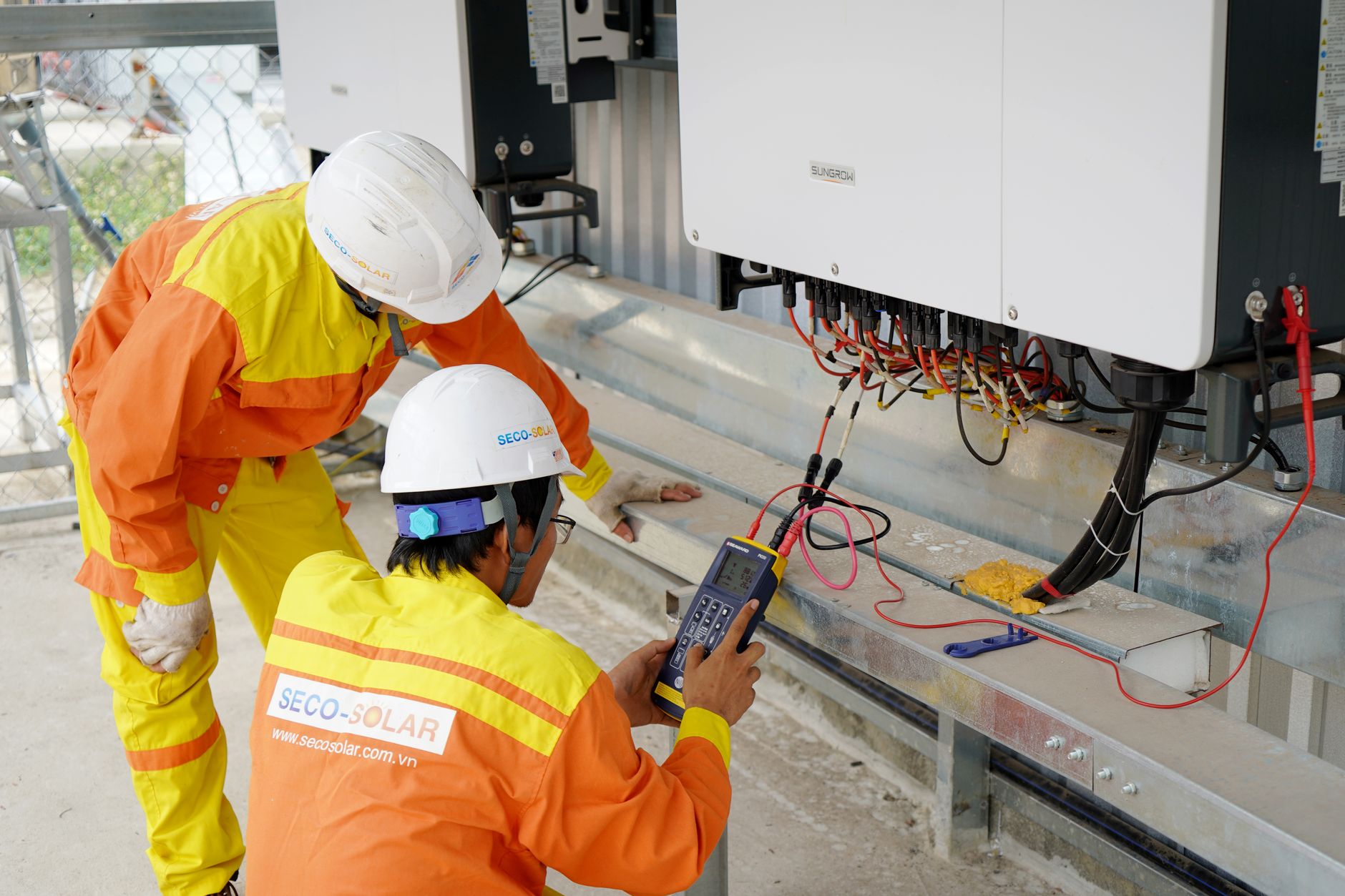
- Step 3: Grounding at each joint — Connect a 10mm² copper wire from the cable tray at each joint (every 10-15m) to the main factory grounding bar. Grounding resistance must be ≤ 4 Ω (measured with a megger). Mark each grounding point with yellow-green color for easy future inspection.
- Step 4: Cable pulling and load inspection — Pull cables into the tray according to the designed route, arrange cables neatly without sharp bends. Total cable load must not exceed 50% of the cable tray’s design load. Check cable sag; it must not be too loose (cable distance from tray ≤ 50mm).
- Step 5: Acceptance and documentation — Inspect the entire cable tray route, measure grounding resistance at 5-10 points, check bolt tightness and tray levelness. Prepare an acceptance report per TCVN 9208, signed by the design engineer, contractor, and investor.
5 common mistakes when installing cable trays
Based on construction experience at over 200 industrial park factories, the 5 mistakes below account for 70% of cable tray-related incidents. Identify them early to avoid issues.
Mistake 1: Support spacing too wide (> 2.5m)
Many contractors, to save costs, install supports 2.5-3m apart instead of the standard 1.5-2m. The consequence is that the cable tray sags, cables are not evenly supported, creating concentrated stress at mid-span, which can easily cause electrical leakage when subjected to machine vibrations. Check: measure the distance between supports; if > 2.2m, additional supports must be added.
Error 2: Lack of equipotential bonding at each cable tray joint
Many projects only ground the starting point, not each joint between tray sections. This creates different electrical potentials between sections, accumulating static electricity, posing a fire and explosion risk during electrical faults. Standard TCVN 9208 requires grounding every 10-15m and at each joint with a length ≥ 5m.
Error 3: Not checking load capacity before pulling cables
Installing cables exceeding the design load (e.g., a cable tray rated for 300kg/m² but loaded with 400kg of cables) leads to tray sagging, cable jamming, and insulation damage. Check: calculate the total weight of cables to be installed and compare it with the tray’s design load (usually stated on the label).
Error 4: Using materials without IEC 61537 certification
Some suppliers sell cheap cable trays without IEC certification, resulting in poor steel quality, easy rusting, and loss of grounding capability. Check: request the supplier to provide IEC 61537 certification, quality inspection reports, and certificates from the manufacturer.
Error 5: Not checking design drawings before installation
Installing without following the drawings leads to insufficient clearance from other equipment (air pipes, water pipes, compressed air lines), creating difficulties for future maintenance. Always check the M&E drawings, determine the exact route, and mark it on-site before installation.
Applications of cable trays in industrial factory sectors
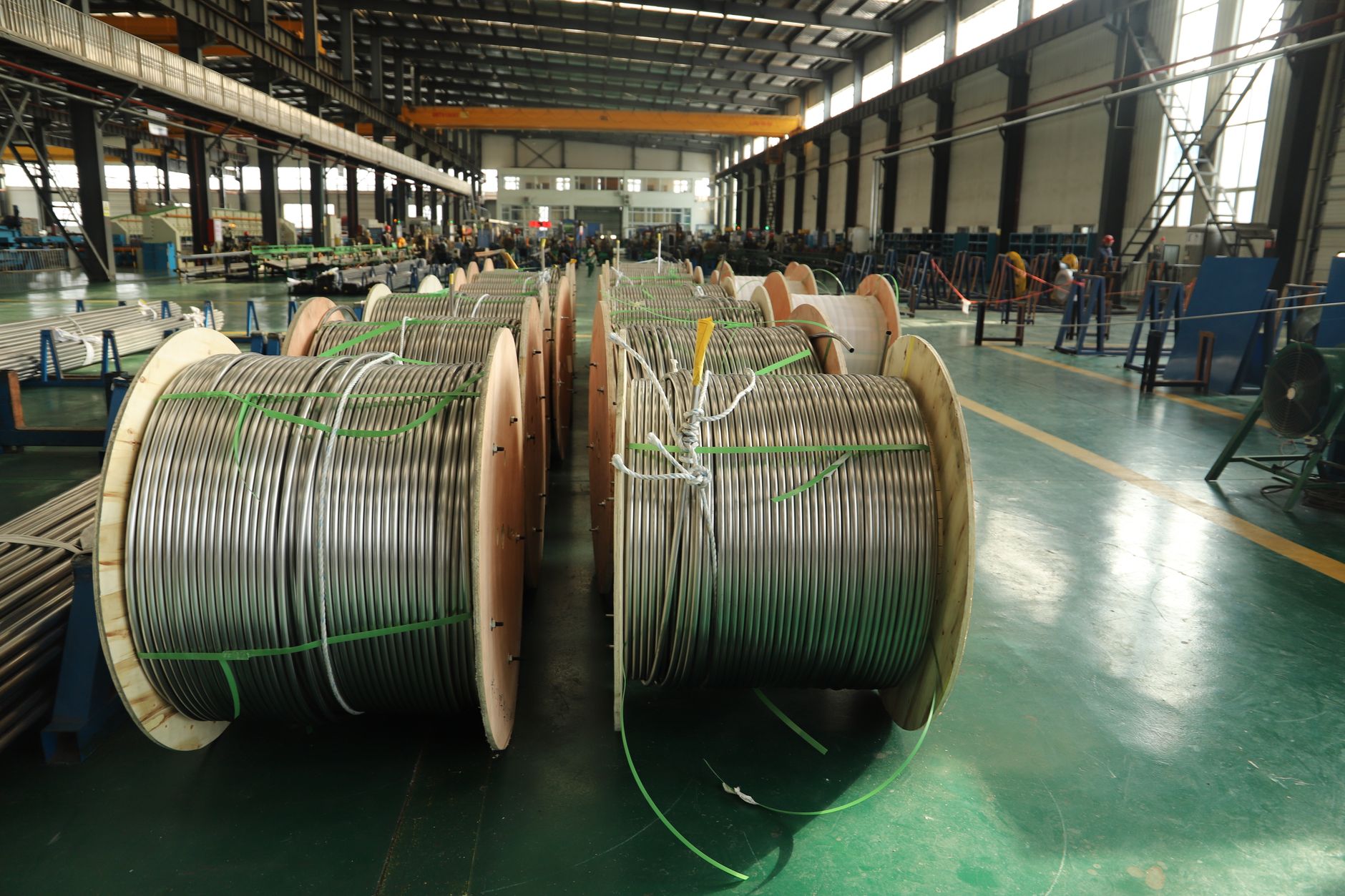
Cable trays are widely used in various industries, from electronics and textile manufacturing to mechanical engineering. Each sector has specific technical requirements regarding load, environment, and safety standards.
Cable trays in electronics and semiconductor factories
Electronics and semiconductor factories have high requirements for cleanliness, humidity, and temperature. Cable trays must be installed within enclosed conduit systems or enclosed troughs to prevent dust and water ingress. Cable loads are typically high (500-800kg/m²) due to the large number of data and power cables. Compliance with IEC 61537 and cleanroom standards (ISO 14644) is mandatory. Example: a chip manufacturing plant in Ho Chi Minh City has 12 cable tray routes, a total length of 2.5km, installed according to ISO 14644 Class 6 standards, with an installation cost of 450 million VND and a construction period of 6 months.
Cable trays in textile factories
Textile factories have humid environments, high temperatures, and fabric fiber dust. Cable trays must be corrosion-resistant, often using galvanized steel or stainless steel. Cable loads are average (300-400kg/m²) due to the number of control cables for weaving machines and ventilation systems. Grounding resistance must be checked regularly (every 3 months) to prevent static electricity buildup that could ignite dust. Example: a textile factory in Binh Duong installed 8 stainless steel cable tray routes, total length 1.8km, costing 280 million VND, with a construction period of 4 months.
Cable trays in mechanical manufacturing plants
Mechanical manufacturing plants require high load capacity (600-1000kg/m²) due to the number of CNC control cables, robots, and hydraulic systems. The environment contains grease, oil, and corrosive substances. Cable trays must be installed high, avoiding contact with liquids, and are often coated with an additional layer of epoxy anti-rust paint. Bolt tightness must be checked regularly (every 6 months) due to vibrations from machinery. Example: a mechanical processing plant in Long An installed 15 lines of galvanized steel cable trays with epoxy paint, total length 3.2km, cost 520 million VND, duration 7 months.
Equipment & accessories for cable tray installation

To install cable trays to standard, it is necessary to prepare sufficient high-quality equipment, accessories, and materials. Below are common products on the Vietnamese market.
Related articles
To better understand factory infrastructure, automated warehouse systems, and integrated M&E solutions, refer to the articles below:
- VietPOS Rack — Automated warehouse for manufacturing plants: Optimizing finance & safety
- Tay Ninh Factory — 8 years of self-sufficient internal production capacity of the Group
- Việt Easy completes 200 sets of customized furniture for an office building in District 1, HCMC
- VietPOS officially distributes Sunmi V3 Max POS terminals for F&B chains in Vietnam
- VietPOS Rack completes selective racking for a logistics center in Binh Duong