
Automated Warehouse vs Traditional Warehouse: 5 Comparison Metrics 2026
The article provides a detailed comparison of 5 key indicators between automated storage and retrieval systems (AS/RS) and traditional warehouses: labor costs, processing speed, error rate, storage capacity, and 12-month ROI. Vietnamese logistics enterprises will have a basis for deciding on the appropriate model after reading this article.
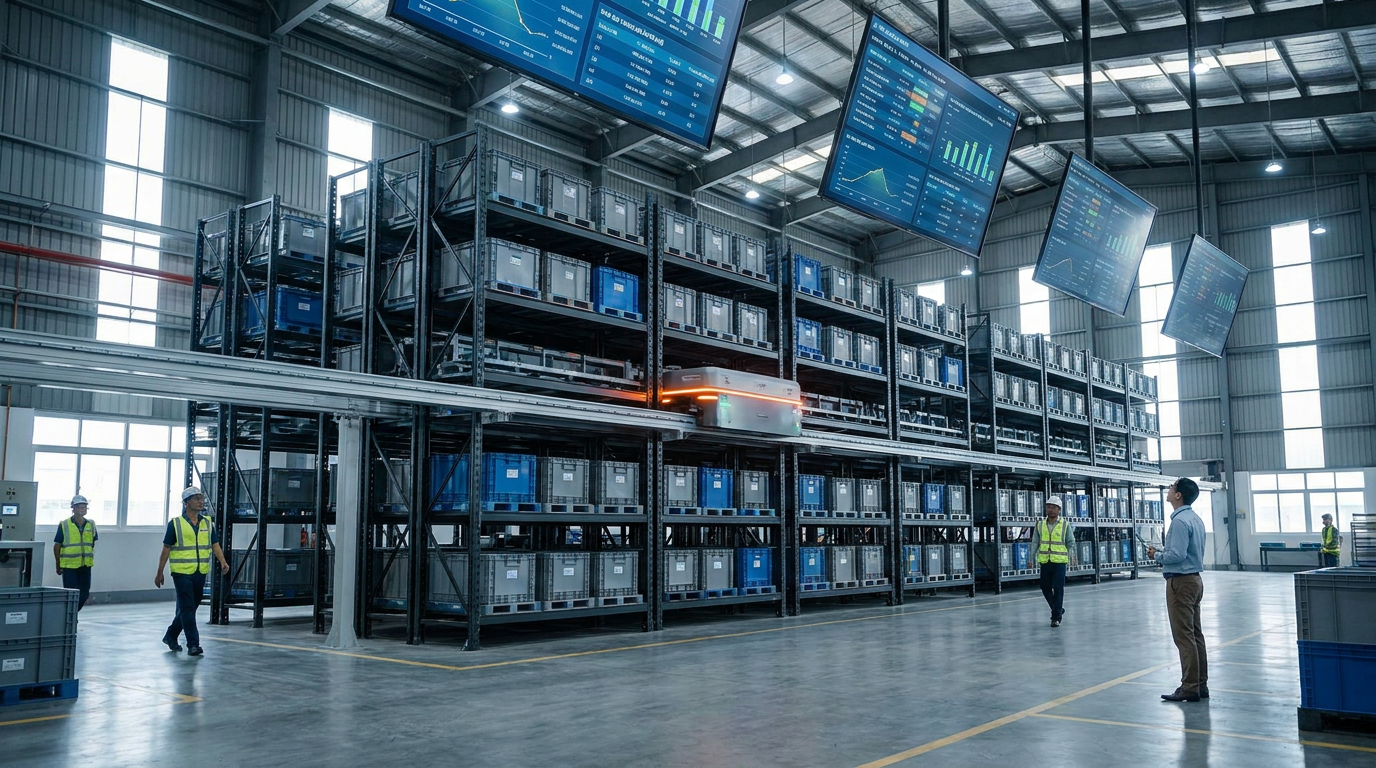
Automated Storage & Retrieval System (AS/RS) and traditional warehouses are two fundamental inventory management models in Vietnamese logistics. This article compares 5 quantitative indicators between the two models — labor cost, processing speed, error rate, storage capacity, and ROI — to help you decide which option suits your business scale and goals.
What is a traditional warehouse and who is it suitable for?
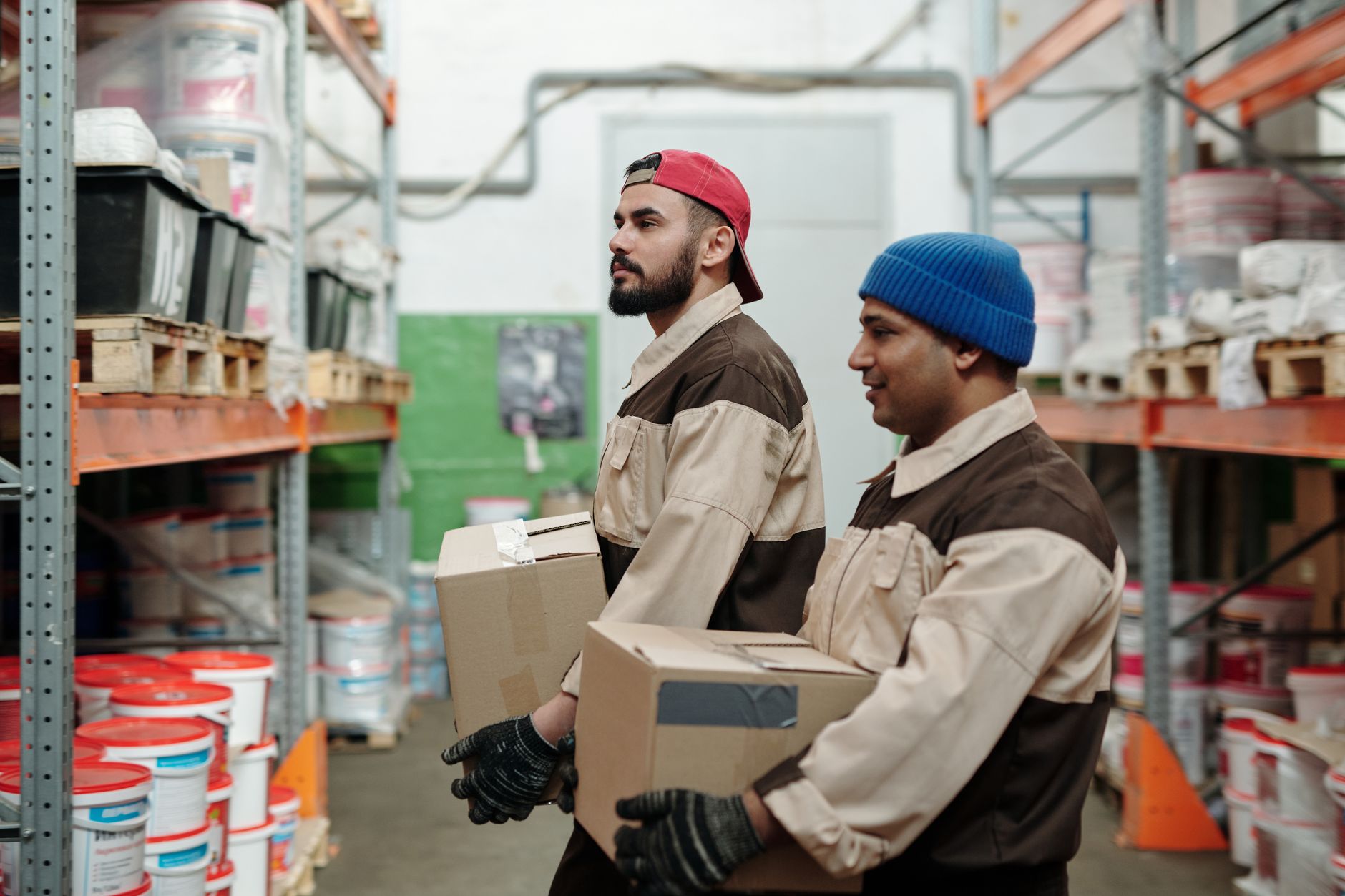
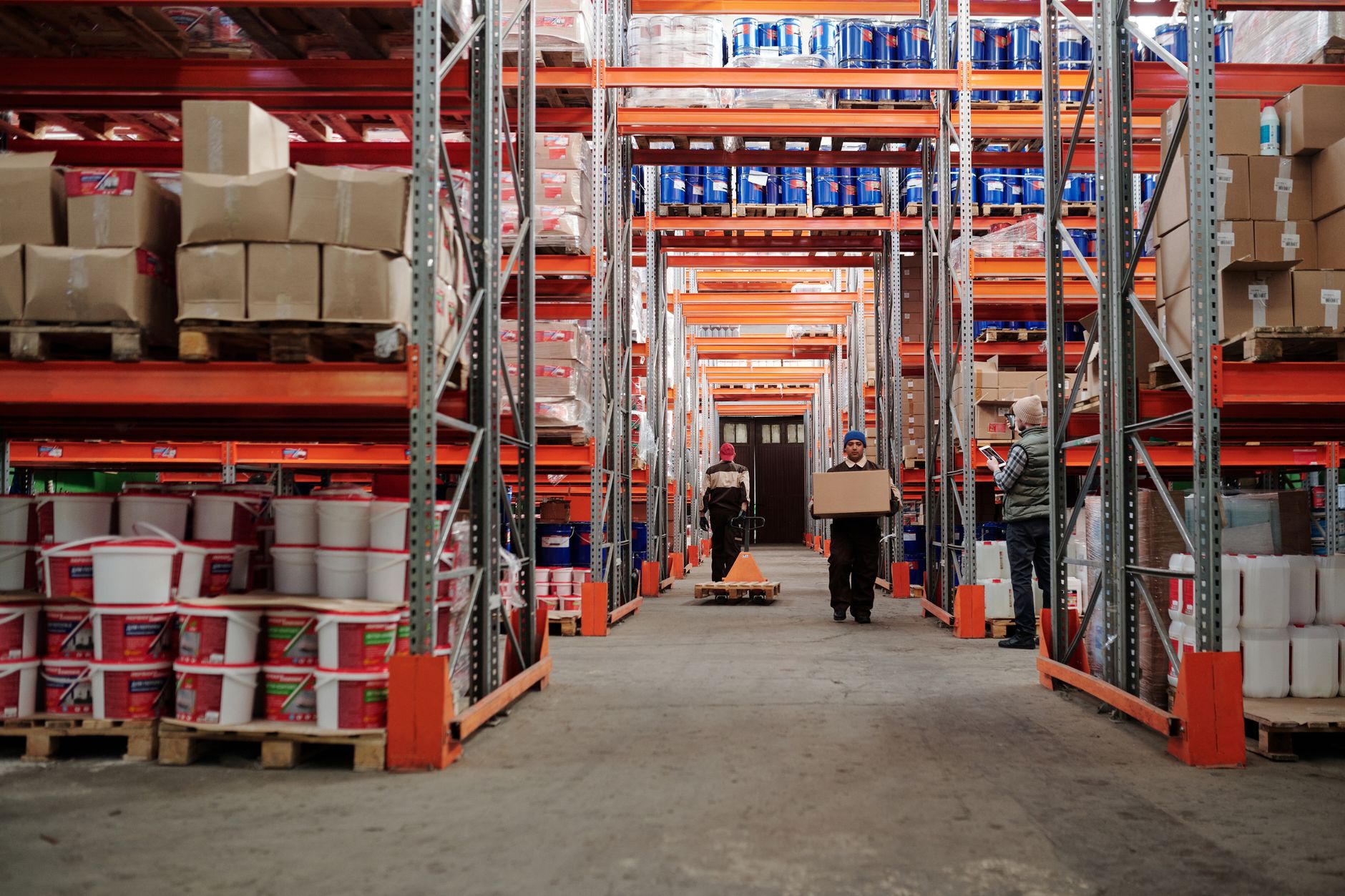
A traditional warehouse uses manual labor combined with basic management systems (paper-based or simple software). Employees receive orders, move to locations, pick items, inspect, pack, and make manual notes. This model is suitable for small and medium enterprises with a throughput of 500-2000 orders/day, fluctuating SKUs, or non-recurring peak seasons.
- Low startup cost (5-15% compared to automated warehouses)
- Flexible for quick layout and process adjustments
- Suitable for orders with high customization requirements
- Easy to scale up gradually according to demand
What is an automated warehouse (AS/RS) and why is it growing rapidly?
An automated warehouse integrates automated racking systems (Shuttle Rack, Drive-In, or Carousel), PLC-controlled machinery, and Warehouse Management Software (WMS). Machines automatically receive commands from the WMS, move to locations, and retrieve items without manual intervention. This model is growing 28% YoY in Vietnam (2024-2026) due to high demand from eCommerce and Just-In-Time practices.
- Reduces labor costs by 60-75% compared to traditional warehouses
- Increases processing speed by 3-5 times (from 50-100 picks/hour to 300-500 picks/hour)
- Reduces error rate to <0.5% (compared to 2-5% in manual warehouses)
- Increases storage capacity by 4-6 times on the same floor area
Comparison of 5 Key Indicators Between Automated Warehouses and Traditional Warehouses
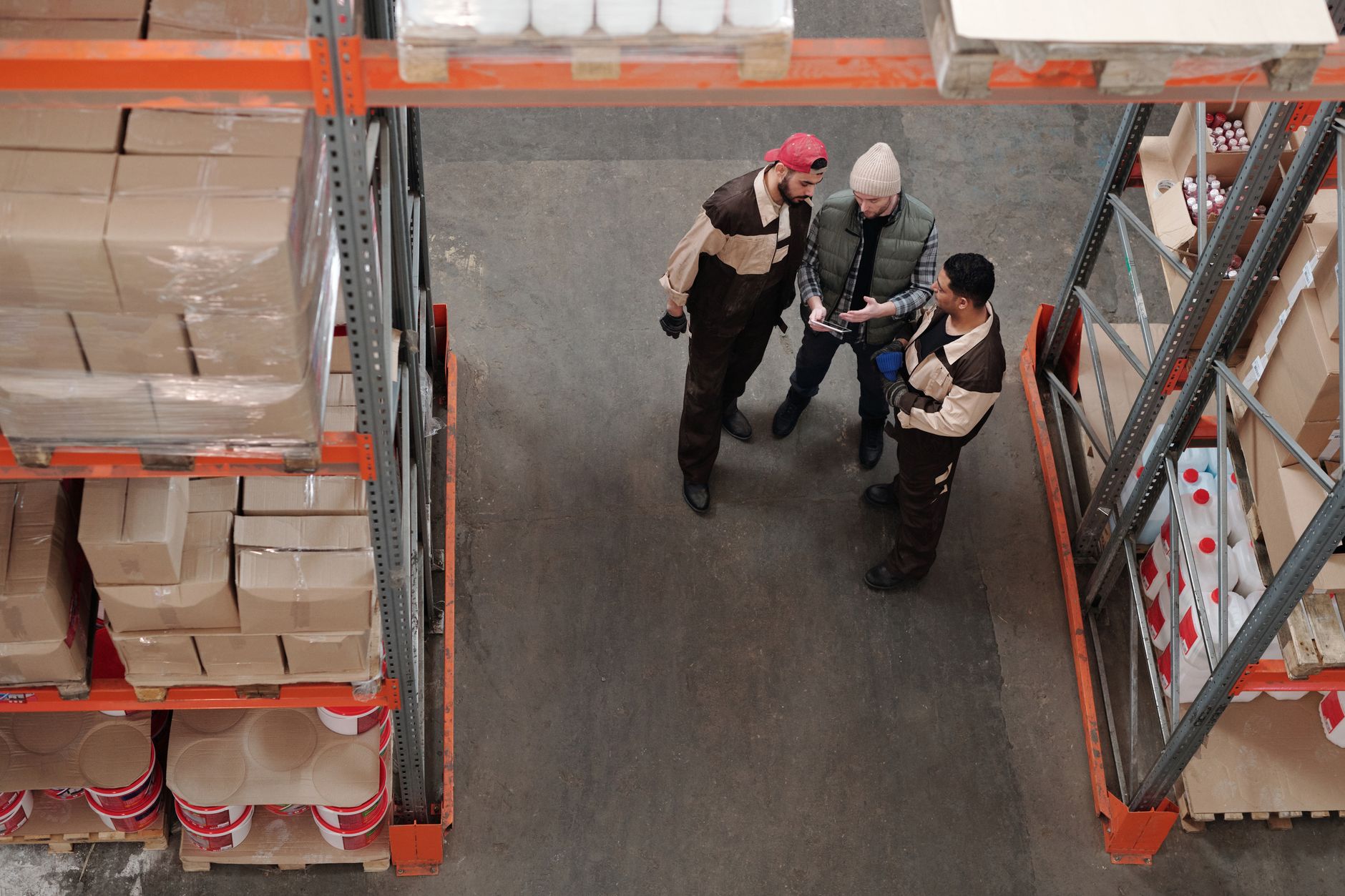
The table below compares 5 specific quantitative indicators between the two models, based on data from 50+ projects deployed by VietPOS Rack at manufacturing plants, logistics centers, and retail chains in Vietnam.
| Indicator | Traditional Warehouse | Automated Warehouse (AS/RS) | Difference | Best |
|---|---|---|---|---|
| Annual labor cost (per m³ of storage) | 450-650 USD | 80-150 USD | -75% to -80% | Automated warehouse |
| Processing speed (picks/hour) | 50-100 | 300-500 | +300% to +400% | Automated warehouse |
| Labor error rate (%) | 2-5% | 0.2-0.5% | -90% to -95% | Automated warehouse |
| Storage capacity (pallets/m²) | 4-8 pallets | 16-32 pallets | +300% to +400% | Automated warehouse |
| ROI time (months) | 0 (no large investment) | 18-36 months | Depends on throughput | Traditional warehouse (short-term) |
Choosing an Automated Warehouse or Traditional Warehouse by Use Case?
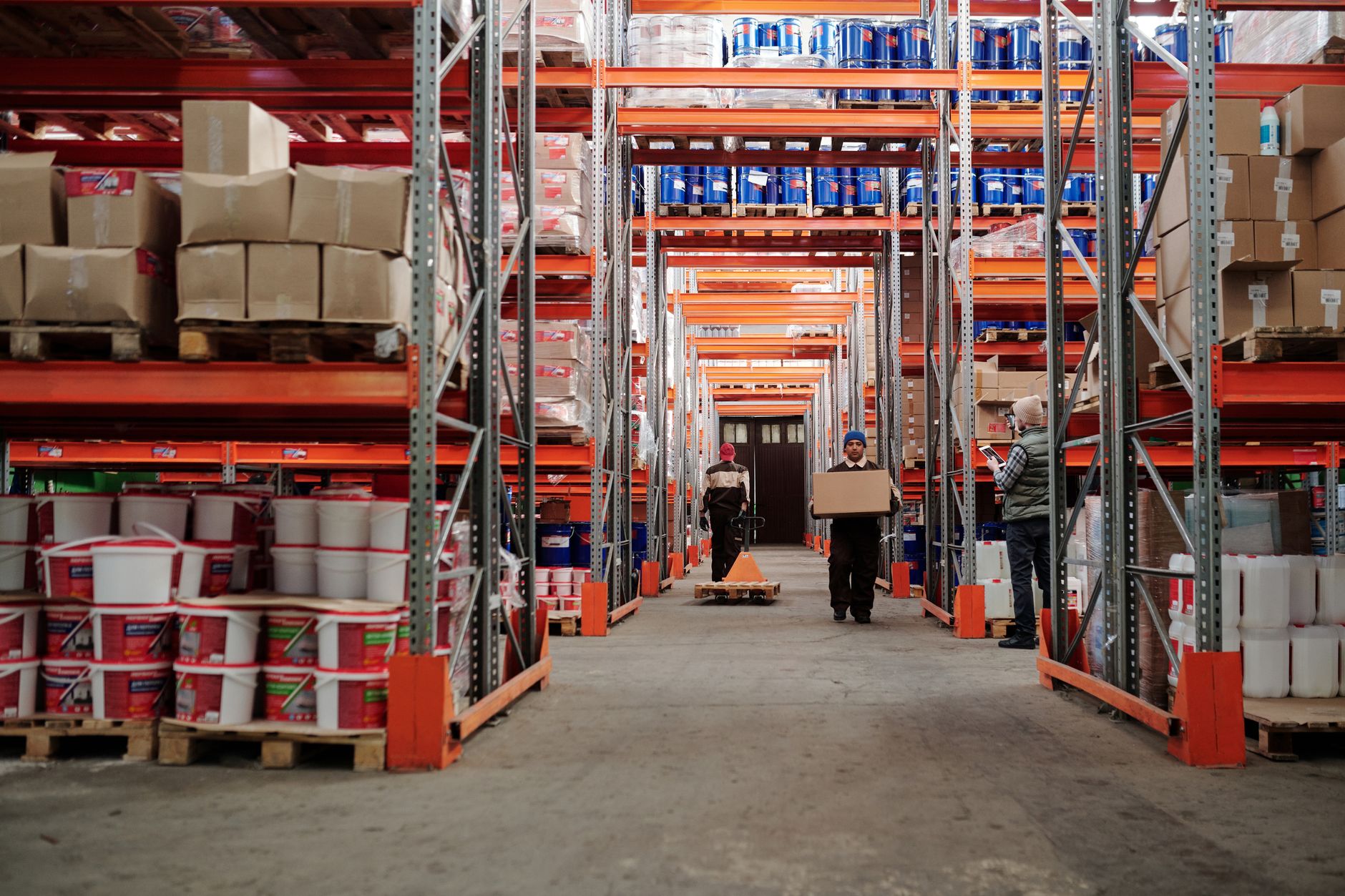
The choice depends on 4 factors: daily throughput, SKU stability, available capital, and expected ROI time. Below are 5 specific use cases and recommendations:
Use Case 1: eCommerce 3PL Business, throughput 5000-10000 orders/day, stable SKU
Recommendation: Automated warehouse (AS/RS) — Shuttle Rack or Drive-In
Reason: High and stable throughput is an ideal condition for automated warehouses. ROI is achieved in 18-24 months. Example: The Binh Duong logistics center of a leading logistics company in Vietnam deployed VietPOS Rack (5-level Shuttle Rack) processing 8000 orders/day, reducing labor costs from 280 million VND/year to 45 million VND/year (an 84% reduction).
Use Case 2: Manufacturing plant, raw material + finished product storage, throughput 2000-3000 pallets/week
Recommendation: Automated Warehouse (AS/RS) — Drive-In Rack or AS/RS Carousel
Reason: Requires high accuracy (trace raw materials by production batch), stable throughput, no layout changes. Drive-In Rack saves 60-70% labor costs compared to manual warehouses. The Tay Ninh factory (member of Việt Đức Trí Group) uses a 4-level Drive-In Rack for 1500 pallets, increasing storage efficiency from 6 pallets/m² to 24 pallets/m² (a 300% increase).
Use Case 3: Retail chain, mini-supermarket, throughput 200-500 orders/day, high SKU (>5000 SKU)
Recommendation: Traditional warehouse combined with basic WMS
Reason: High SKU and frequent fluctuations make automated warehouses inefficient (require frequent layout changes). Low startup cost, flexible adjustments. Simple WMS (like VietPOS Software) helps optimize labor processes without investing in automated racking.
Use Case 4: Regional distribution warehouse, throughput 1000-2000 orders/day, non-recurring peak periods
Recommendation: Traditional warehouse (hybrid approach — consider automated warehouse for peak season)
Reason: Automated warehouses are inefficient when throughput is unstable (ROI extends >36 months). Traditional warehouses have low base costs, flexible hiring of additional labor during peak periods. Consider micro AS/RS (Pallet Shuttle, Carousel) for fast-moving SKU zones.
Use Case 5: Large-scale manufacturing plant (throughput 10000+ pallets/month), high traceability requirements
Recommendation: Automated Warehouse (AS/RS Carousel or High-Bay Racking) + Integrated WMS
Reason: Very high throughput, requires 99%+ accuracy, detailed batch traceability. AS/RS Carousel + WMS (VietPOS Rack + VietPOS Software) reduces errors from 3-5% to <0.3%, increases processing speed by 4-5 times. ROI 16-20 months.
Detailed Pros and Cons of Each Model

Below is a comprehensive comparison of the pros and cons between the two models, helping you evaluate each aspect before deciding.
Traditional Warehouse
Advantages:
- Low startup cost (5-15% compared to automated warehouse)
- Flexible layout and process adjustments
- Suitable for high SKU, frequent fluctuations
- Easy to expand step by step according to actual needs
- Not dependent on technology, easy to find replacement labor
Disadvantages:
- High labor costs (450-650 USD/m³/year)
- Slow processing speed (50-100 picks/hour)
- High error rate (2-5%) → increased return and complaint costs
- Low storage capacity (4-8 pallets/m²)
- Difficult to scale quickly when throughput spikes
- Difficult to perform detailed goods traceability, ISO/traceability compliance
Automated Storage and Retrieval System (AS/RS)
Advantages:
- Reduces annual labor costs by 75-80%
- High processing speed (300-500 picks/hour) → meets strict SLAs
- Very low error rate (<0.5%) → reduces return costs
- High storage density (16-32 pallets/m²) → saves space
- Detailed automatic traceability, easy ISO/GMP compliance
- Stable productivity, unaffected by labor performance fluctuations
Disadvantages:
- High initial investment (capital of 300-800 million for a 1000-pallet warehouse)
- Long ROI (18-36 months), requires stable throughput
- High SKU count and frequent fluctuations reduce performance
- Technology-dependent, requires specialized technical staff
- Difficult to adjust layout after deployment
- Requires advanced WMS, complex integration
Trends in Transforming Traditional Warehouses to Automated Ones in Vietnam 2026
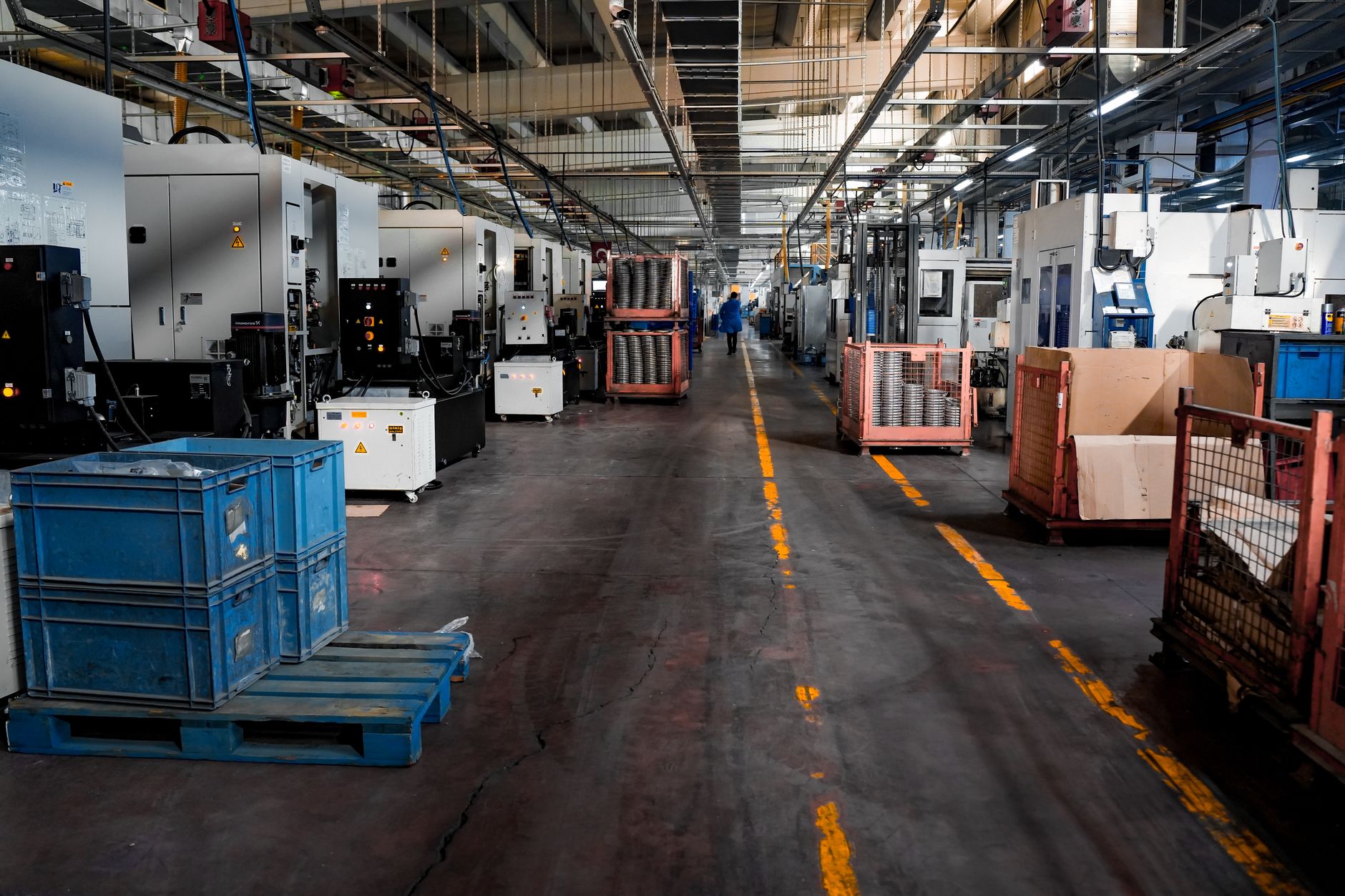
According to a report from the Vietnam Logistics Association (VLA), 62% of large-scale logistics and manufacturing enterprises are considering or deploying automated warehouses. The main trend is the hybrid model: traditional warehouses for slow-moving SKUs, automated warehouses (Shuttle Rack, Carousel) for fast-moving SKUs, combined with an integrated WMS for overall management.
- eCommerce: 78% of large 3PL logistics centers have deployed or planned AS/RS to handle 5000+ orders/day
- Manufacturing: 54% of large-scale manufacturing plants (>500 employees) use Drive-In Rack or Shuttle Rack for raw materials + finished goods
- Retail: 31% of large retail chains (>20 branches) deploy basic WMS + micro AS/RS for central warehouses
- Support Policies: The Vietnamese government supports 30-50% of automated warehouse costs for SME enterprises (Industry 4.0 Program)
Frequently Asked Questions
The FAQ section below answers common questions from Vietnamese enterprises when considering the transition to automated warehouses.
Contact for Warehouse Solution Consulting for Your Business
Việt Đức Trí Group provides automated warehouse solutions (VietPOS Rack) and warehouse management software (VietPOS Software) for logistics and manufacturing enterprises in Vietnam. Successfully deployed 50+ projects in Binh Duong, Ho Chi Minh City, Hanoi, Hai Phong. Contact 0935 295 337 for a free consultation on the warehouse model suitable for your business.