
Drive-In Rack vs Pallet Shuttle 2026: Cost & Performance Comparison
Drive-in rack and pallet shuttle are two popular automated warehouse solutions in Vietnam. This article compares investment costs, operational speed, management flexibility, and maintenance to help you choose the right system for your warehouse scale in 2026.
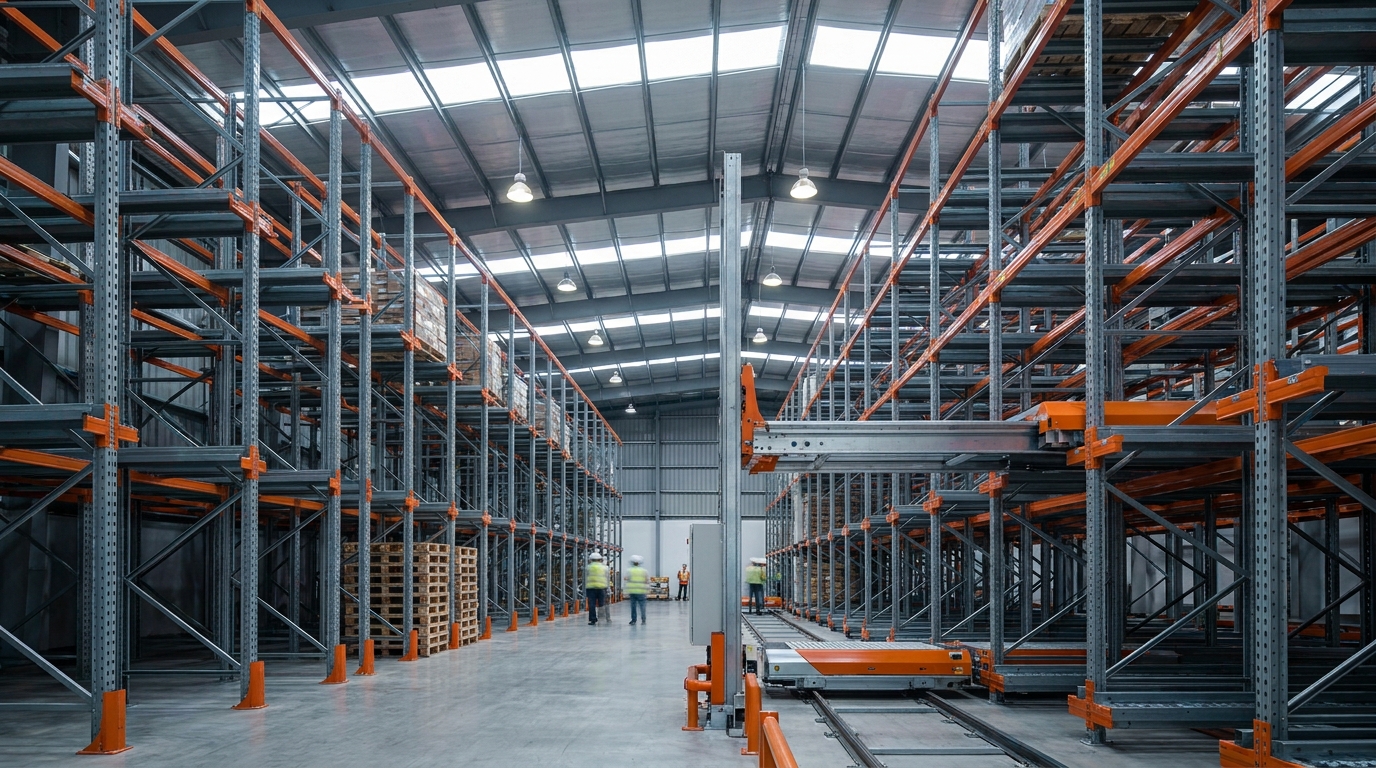
Drive-in rack and pallet shuttle are two leading automated warehouse solutions in Vietnam, both optimizing storage density compared to conventional shelving. However, the operating mechanisms, operational costs, management flexibility, and maintenance of these two systems are distinctly different. This article provides a detailed comparison to help you choose the right technology for your warehouse scale in 2026.
What is Drive-In Rack and who is it suitable for?
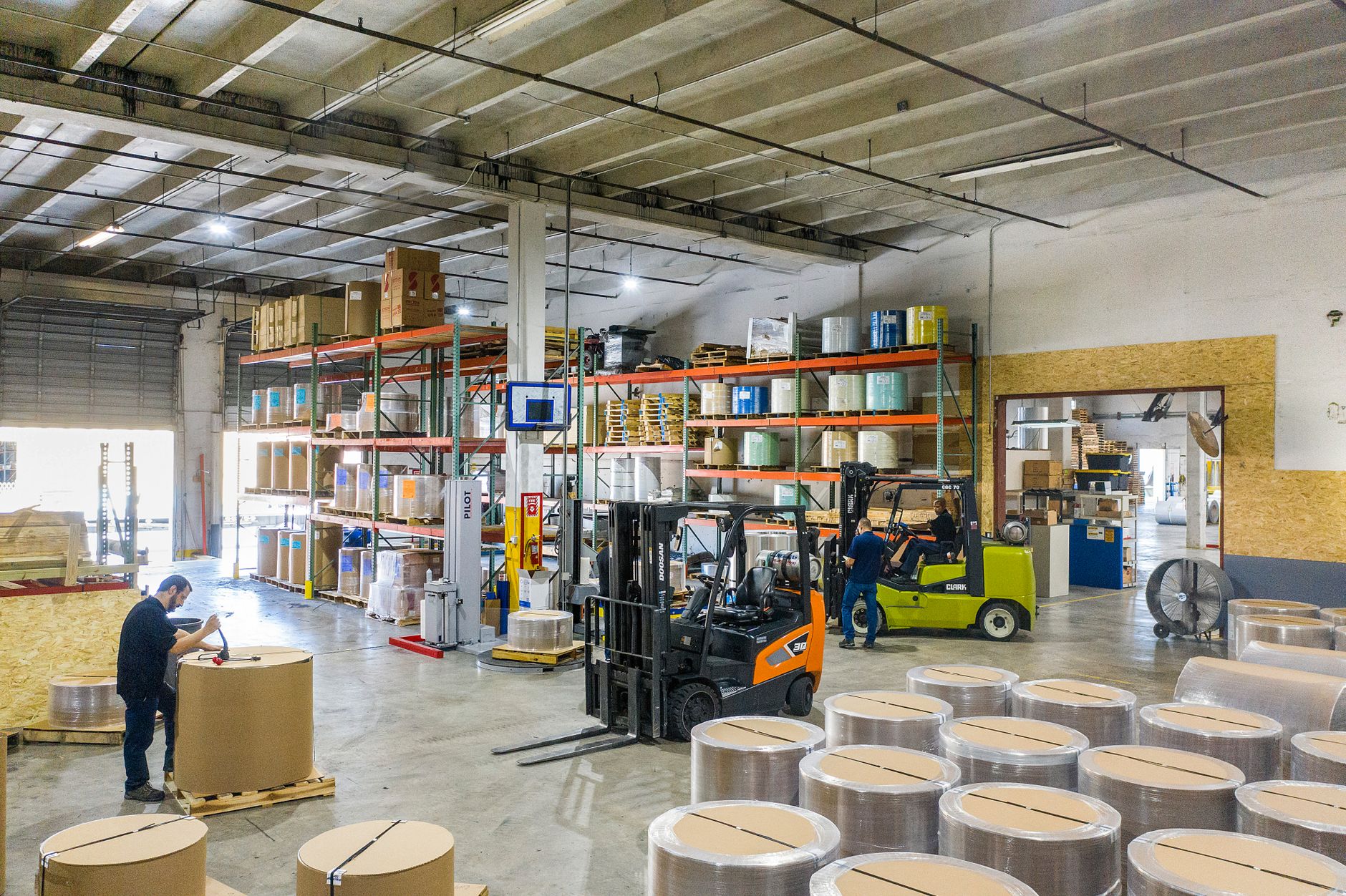
Drive-in rack is a warehouse shelving system without aisles between pallets. Electric forklifts drive directly into the rack lanes to place/retrieve goods based on the FIFO (First In First Out) principle. Storage density can reach up to 80-85% of the warehouse area compared to 60-70% for conventional shelving.
Drive-in rack is suitable for warehouses storing homogeneous goods with long storage periods (e.g., packaging warehouses, chemical warehouses, agricultural product warehouses). It is especially suitable for small-to-medium enterprises (5,000-15,000 pallets) looking to optimize costs without needing complex automation.
What is Pallet Shuttle and what are its outstanding advantages?
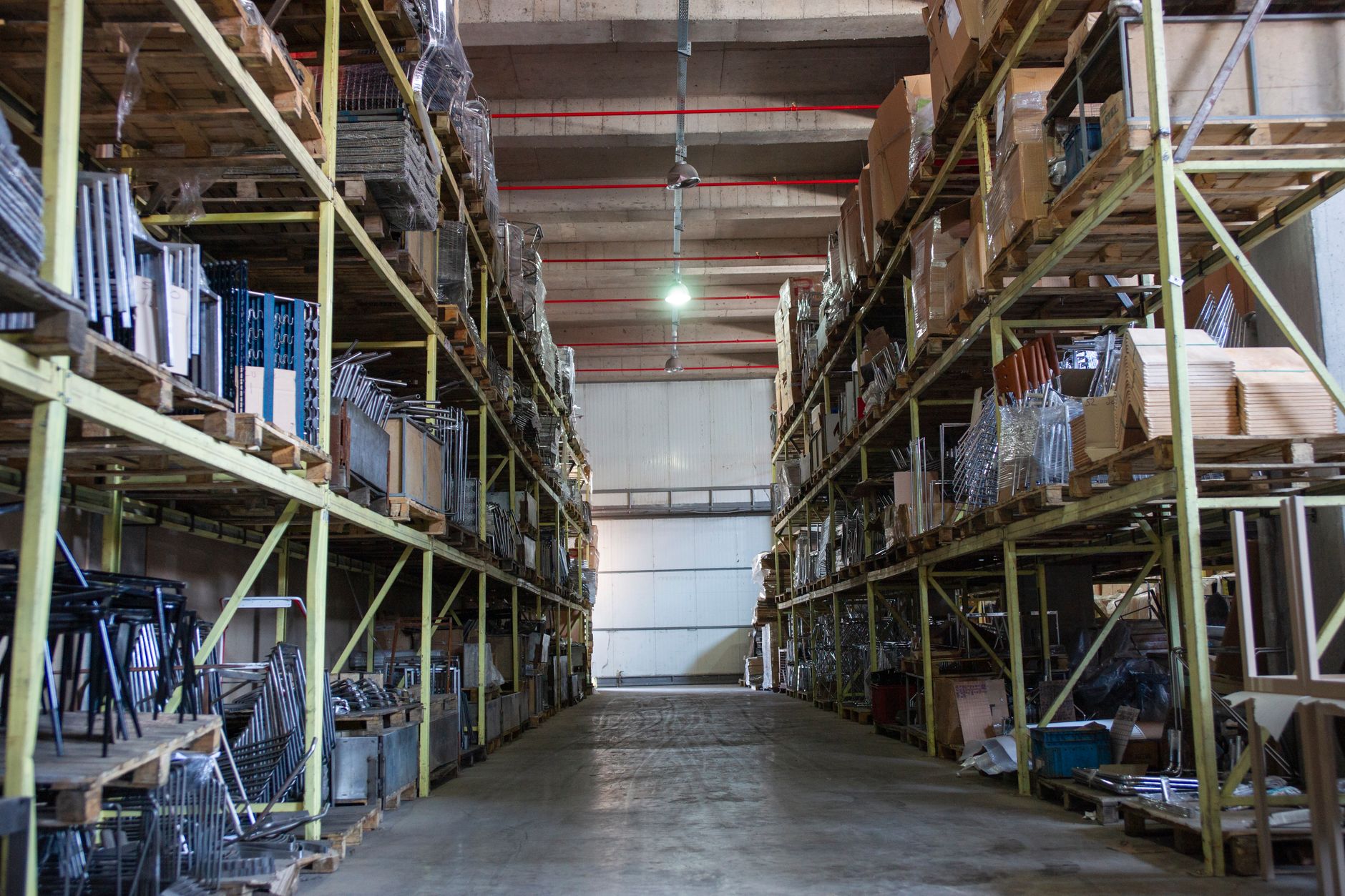
Pallet shuttle (or shuttle rack) is a system combining static shelving with autonomous shuttle cars running inside the rack lanes. The shuttle car is controlled remotely or automatically, moving pallets from the entry point to the exit point without requiring a forklift to enter the lane.
Pallet shuttle minimizes accident risks (forklifts do not enter the lanes), increases operational speed (shuttle runs faster than forklifts), and offers flexibility to support different types of goods within the same warehouse. Storage density reaches 75-85%, equivalent to drive-in but safer.
Detailed Comparison: 6 Decisive Criteria
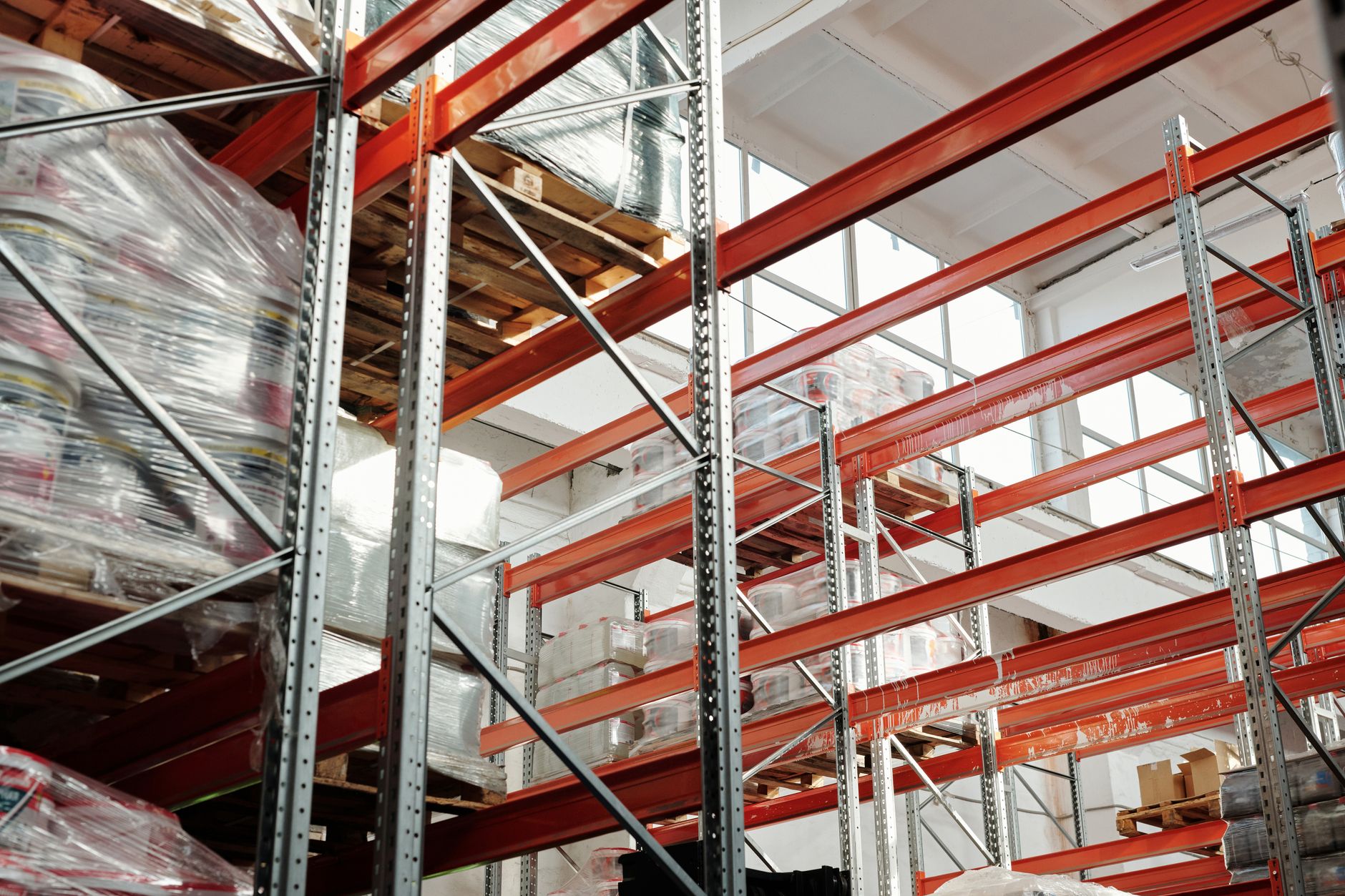
| Criterion | Drive-In Rack | Pallet Shuttle | Best |
|---|---|---|---|
| Storage Density | 80-85% | 75-85% | Drive-In (no aisles) |
| Investment Cost (1000 pallets) | 500-700 million VND | 1.2-1.8 billion VND | Drive-In (40-50% cheaper) |
| Operational Speed (pallets/hour) | 30-50 | 60-100 | Pallet Shuttle (2x faster) |
| Product Flexibility | Poor (1-2 types/warehouse) | High (5-10+ types/warehouse) | Pallet Shuttle |
| Annual Maintenance Cost | 20-30 million VND | 80-120 million VND | Drive-In (70% cheaper) |
| Occupational Safety | High risk (forklift enters aisle) | Low risk (automated) | Pallet Shuttle |
Detailed Pros and Cons of Each System
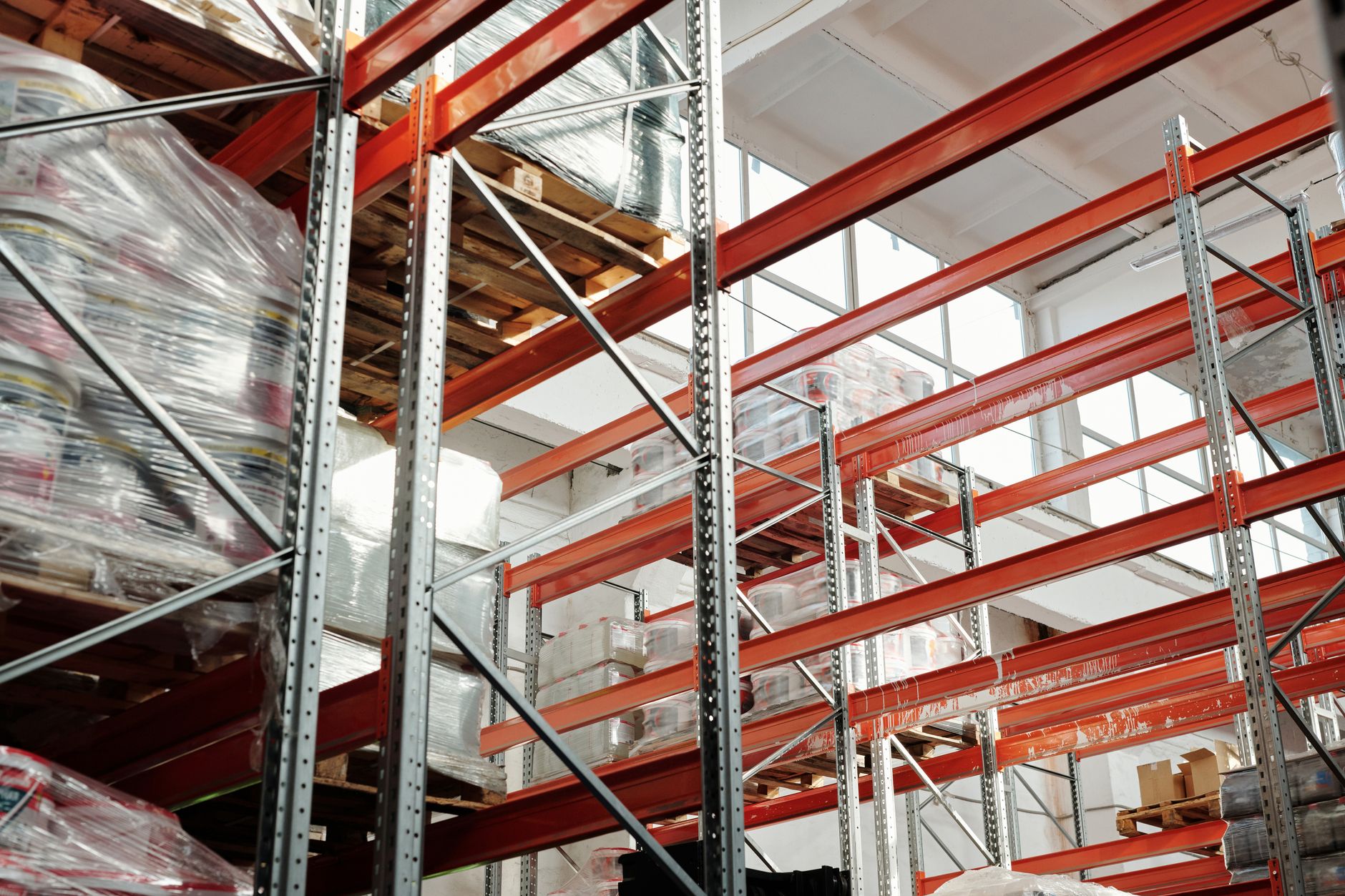
Drive-In Rack — Advantages
- Low investment cost (500-700 million VND for 1000 pallets)
- No electricity required, no complex maintenance
- Optimal storage density (80-85%)
- Easy to install, no automation needed
- Suitable for FIFO warehouses, long-term homogeneous goods
Drive-In Rack — Disadvantages
- Slow operational speed (30-50 pallets/h)
- High accident risk (forklift enters aisle)
- Poor flexibility with diverse products
- Requires skilled forklift operators
- Difficult to scale up later
Pallet Shuttle — Advantages
- High operational speed (60-100 pallets/h)
- Occupational safety (automated, no forklift in aisles)
- Flexible with many product types (5-10+ SKUs)
- Easy to scale warehouse
- Easy ERP integration, centralized management
Pallet Shuttle — Disadvantages
- High investment cost (1.2-1.8 billion VND for 1000 pallets)
- High maintenance cost (80-120 million VND/year)
- Requires stable power supply
- Requires professional technical team
- Long deployment time (4-6 months)
Choose by Use Case: Practical Decision for 2026 Warehouse
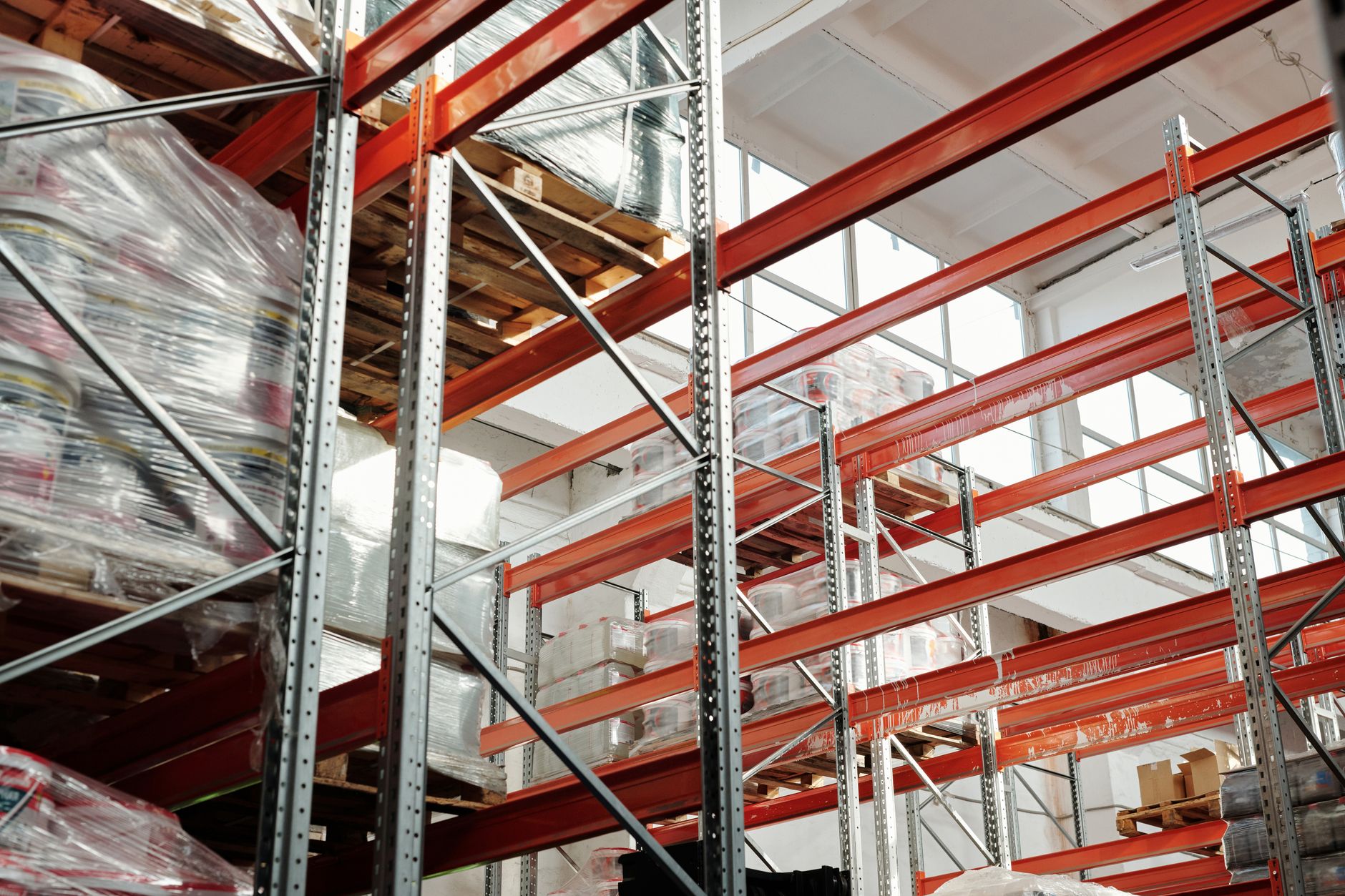
Use case 1: Warehouse for packaging, chemicals, agricultural products (homogeneous goods, long-term storage)
Recommendation: Drive-In Rack
Reason: Goods do not change type, inventory lasts 2-6 months, requiring low cost. Drive-in rack saves 40-50% compared to shuttle. Example: The packaging warehouse of Lá Me company (HCMC) with 8,000 pallets of nylon packaging optimized 30% of warehouse space after 3 years, with maintenance costs of only 25 million VND/year.
Use case 2: Multi-product distribution warehouse (FMCG, retail, e-commerce)
Recommendation: Pallet Shuttle
Reason: High operating speed (60-100 pallets/h), flexible with 10+ types of goods simultaneously, reduces accident risk. Tân Phát warehouse (Bình Dương) switched from drive-in to shuttle rack in 2024, increasing throughput from 3,000 to 8,000 pallets/day, labor costs reduced by 35%.
Use case 3: Medium-sized warehouse (3,000-5,000 pallets), requiring both speed and cost efficiency
Recommendation: Hybrid (Drive-In + Partial Shuttle)
Reason: Use drive-in for slow-moving goods (60% of area), shuttle for fast-moving goods (40% of area). Reduces costs by 20-25%, increases speed by 30-40%. Đồi Cát logistics warehouse (Long An) applied hybrid, ROI in 2.5 years.
Long-term operating costs: 5-year calculation

Total cost = Investment + Maintenance + Electricity + Labor. Drive-in is cheaper in the first year (500-700 million VND), but shuttle has higher maintenance costs by 50-80 million VND/year. However, shuttle saves 30-40% more on labor (automated), so after 4-5 years, shuttle can break even faster if inventory is high (>5,000 pallets/day).
- Drive-In 5 years: 600 million (investment) + 125 million (maintenance 25/year) + 50 million (electricity) = 775 million VND
- Shuttle 5 years: 1,500 million (investment) + 400 million (maintenance 80/year) + 100 million (electricity) - 300 million (labor savings) = 1,700 million VND
Conclusion: Drive-in is 55% cheaper over 5 years, but shuttle has a faster ROI if the business requires high speed (>6,000 pallets/day).
Automated warehouse trends 2026 in Vietnam
According to a 2025 report from the Vietnam Logistics Association, 65% of large 3PL enterprises (100+ employees) are considering shuttle rack, a 20% increase from 2023. Reasons: pressure to reduce labor costs (wages increasing 8-12%/year), demand for fast delivery speed (same-day delivery), and labor shortages at central warehouses.
VietPOS Rack (a member of Việt Đức Trí Group) has deployed 12 shuttle rack projects in HCMC, Bình Dương, and Hanoi in 2024, with an average scale of 2,000-5,000 pallets. These enterprises report a 40-60% increase in efficiency and an 80% reduction in workplace accidents.