
What is AS/RS? The new generation automated warehouse system 2026
AS/RS (Automated Storage and Retrieval System) is a computer-controlled automated warehouse technology that automatically stores and retrieves goods at designated locations. This article explains from the basics to practical applications, helping Vietnamese businesses clearly understand the competitive advantages of deploying the new generation of AS/RS.
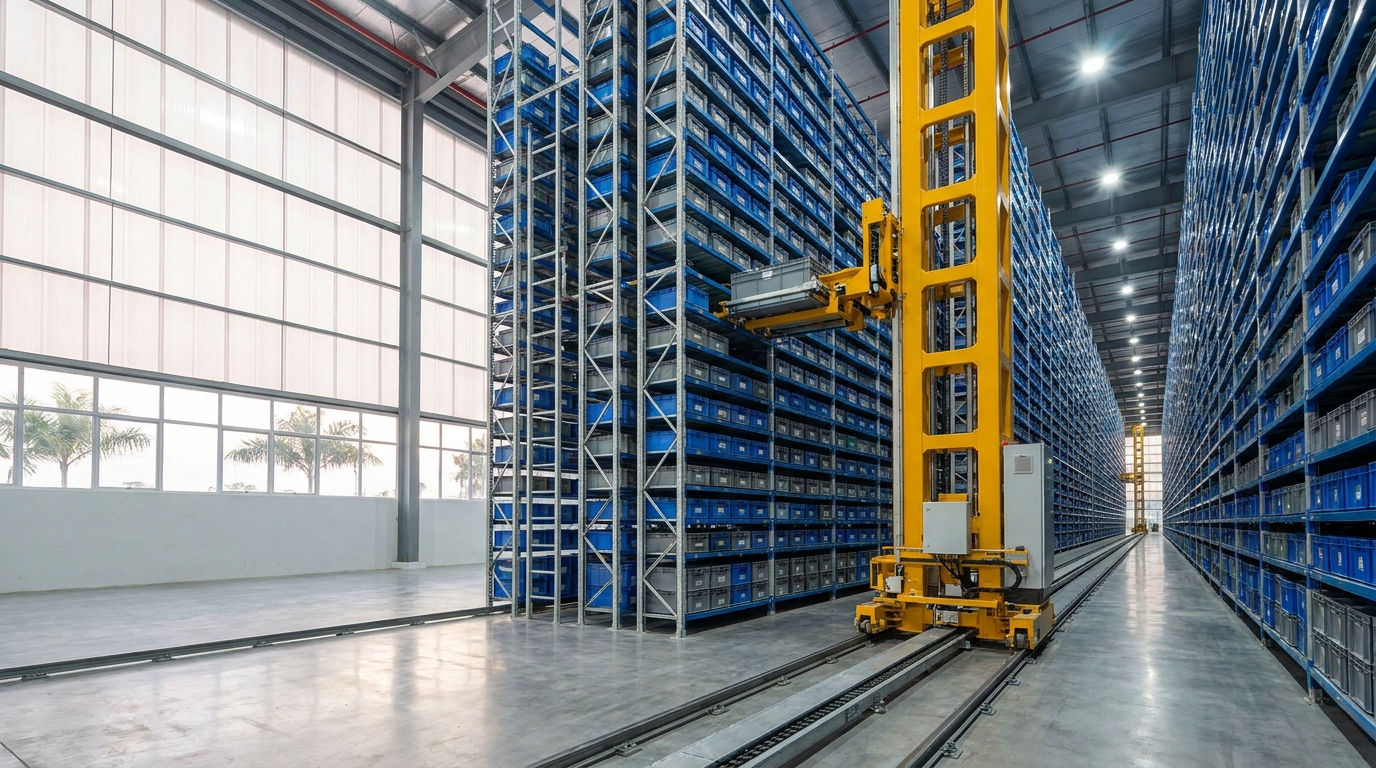
AS/RS (Automated Storage and Retrieval System) is a computer-controlled automated warehouse technology that uses robots or mechanical equipment to automatically store and retrieve goods from designated locations. In Vietnam, this technology is being widely deployed in logistics centers, manufacturing plants, and large-scale retail chains to optimize warehouse space, increase order processing speed, and reduce labor costs.
What is AS/RS? Definition of Automated Storage and Retrieval System
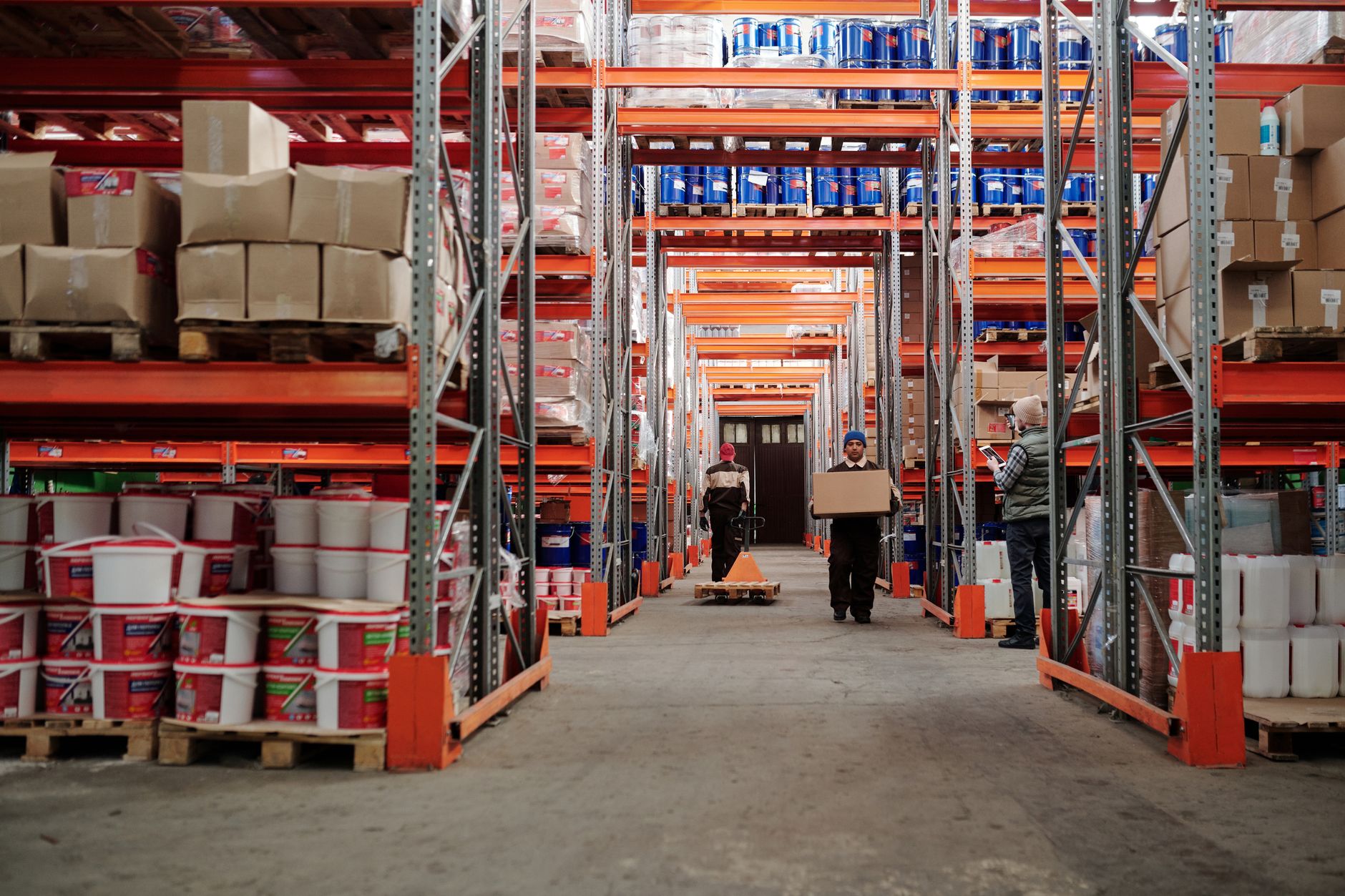
AS/RS is an automated storage and retrieval system controlled by a computer, using mechanical equipment (cranes, robots, conveyors) to manage goods without manual intervention. The main goal is to maximize storage density, reduce search time, and increase accuracy.
Unlike traditional warehouses where employees walk to retrieve items from shelves, AS/RS automatically brings goods to a pick station. The system consists of three main components: (1) High-rise storage racks, (2) Automated equipment (cranes, robots), (3) Centralized management software. This technology has been widely used in developed countries since the 1990s, and in Vietnam, it has become strongly popular since 2023.
How does AS/RS work?
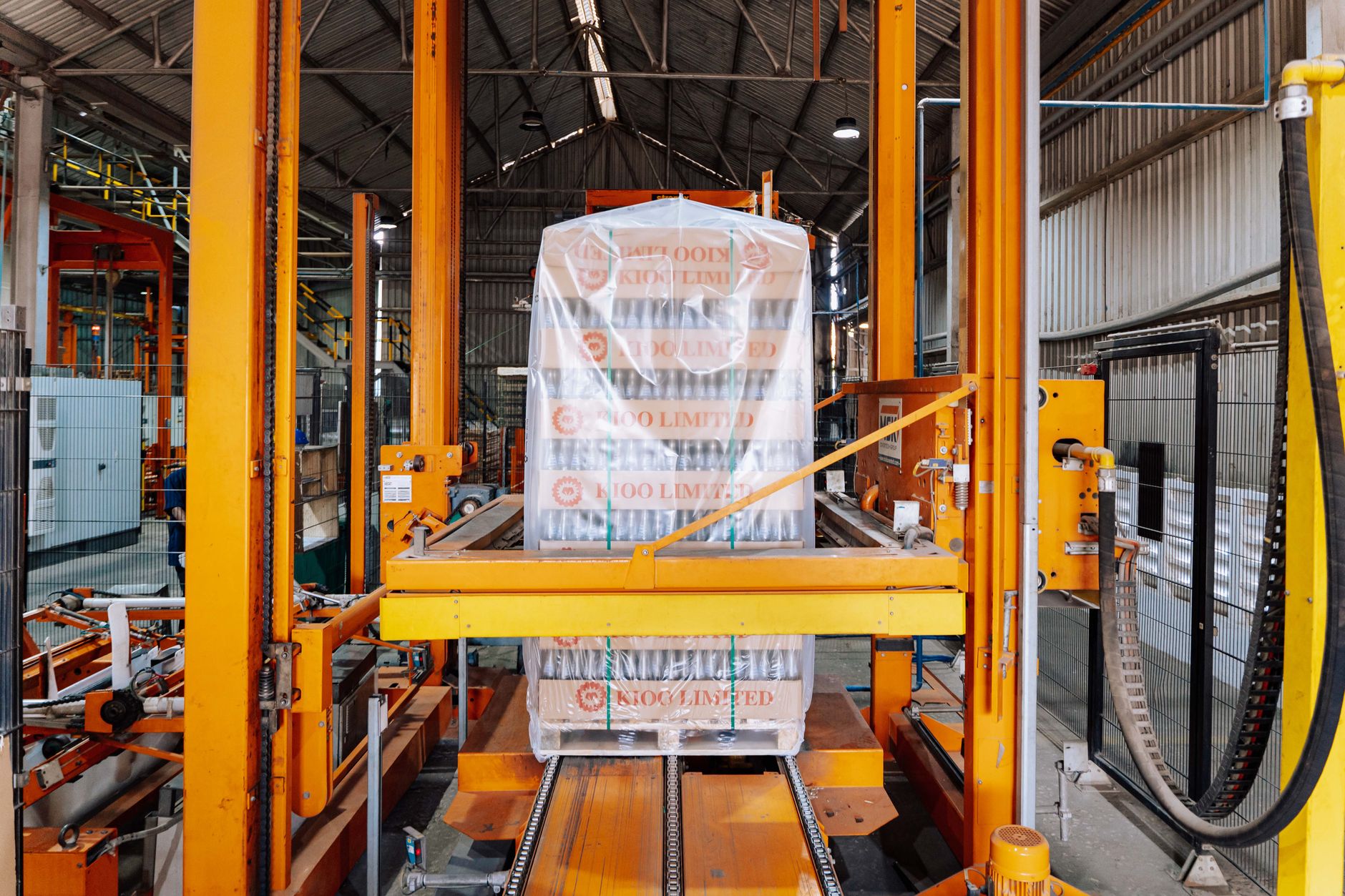
AS/RS operates on an automated process: an employee scans a barcode or enters a request into the system, the software calculates the optimal location, the crane/robot automatically moves to the storage location, retrieves or places the item, and then returns it to the pick station. The entire process takes 3-5 minutes for a single retrieval command, compared to 15-25 minutes in a traditional warehouse.
The detailed process includes the following steps:
- Order Reception: The ERP or WMS system sends a storage/retrieval command to the AS/RS system.
- Path Optimization: The software calculates the shortest path, prioritizing commands by priority order.
- Automatic Movement: The crane or robot moves along rails (X, Y, Z) to the exact location.
- Pick/Place: The remote-controlled gripper or suction device retrieves items from a pallet/carton and places them onto a new tray or pallet.
- Return to Pick Station: The goods are transferred to the packing area or continue processing.
- Inventory Update: The system automatically updates the location and quantity of inventory in the database.
Common Types of AS/RS in 2026
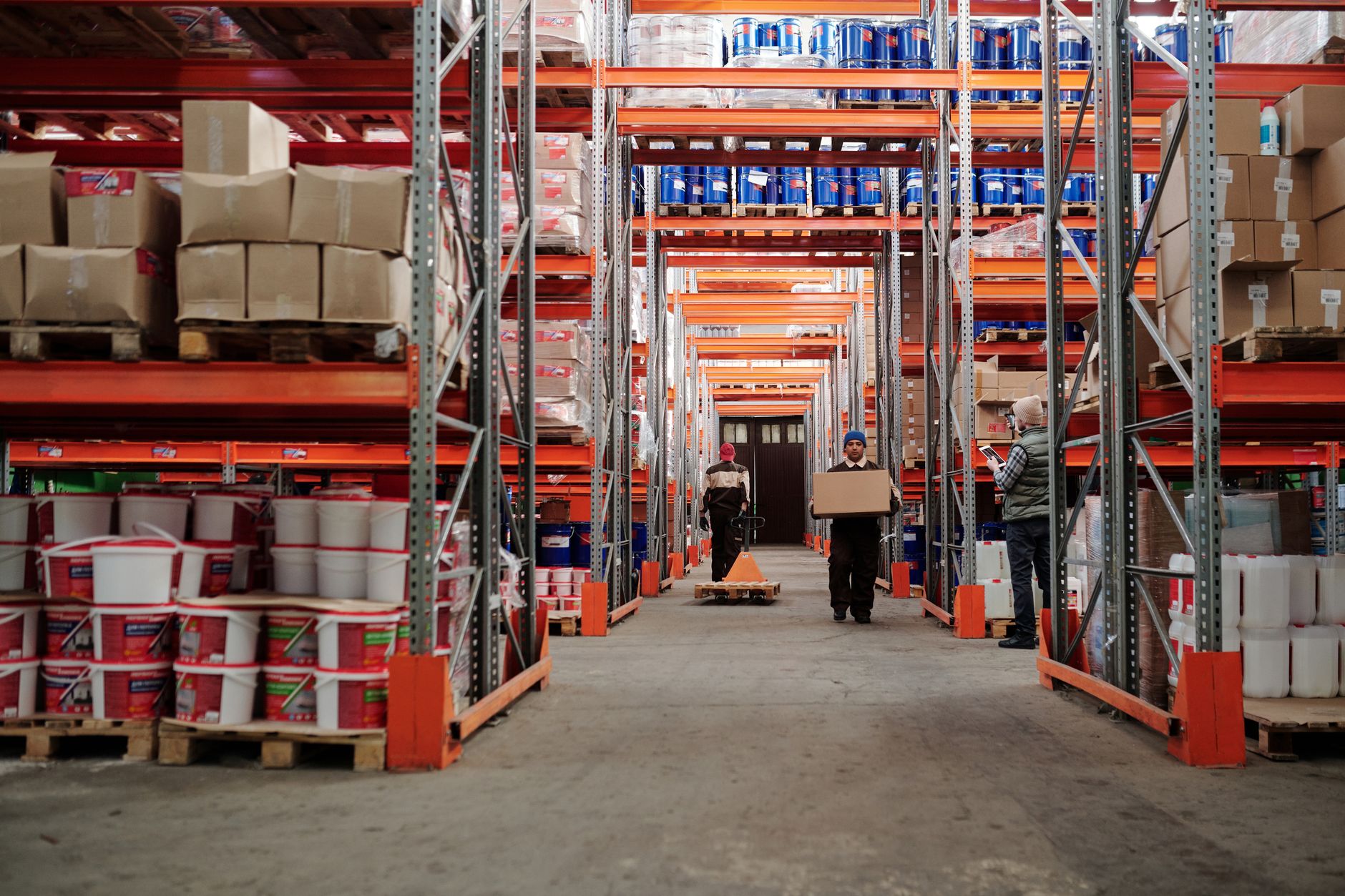
The AS/RS market in 2026 is divided into 5 main types: (1) Unit Load AS/RS (handling heavy pallets), (2) Carousel Systems (horizontal/vertical rotating storage), (3) Vertical Lift Modules (VLM), (4) Mini Load AS/RS (handling small cartons), (5) Mobile Robots (AI-integrated mobile robots). The choice of type depends on cargo volume, pallet size, and desired level of automation.
| Type of AS/RS | Features | Common Applications |
|---|---|---|
| Unit Load AS/RS | Handles heavy pallets (500-1500 kg), dedicated crane, warehouse height up to 40m | Manufacturing plants, distribution centers, textile warehouses |
| Carousel Systems | Horizontal or vertical rotating storage, high speed, space-saving | Auto parts warehouses, electronic components, pharmaceuticals |
| Vertical Lift Modules (VLM) | Tall vertical storage cabinets, automatic lifting elevator, for small items | Retail stores, parts warehouses, service centers |
| Mini Load AS/RS | Handles small cartons/trays, high speed, lower cost than Unit Load | E-commerce warehouses, retail chains, last-mile logistics warehouses |
| Mobile Robots (AMR) | Autonomous mobile robots, integrated AI and sensors, flexible movement | Multi-product warehouses, flexible manufacturing, temporary storage |
Competitive Benefits of Implementing AS/RS
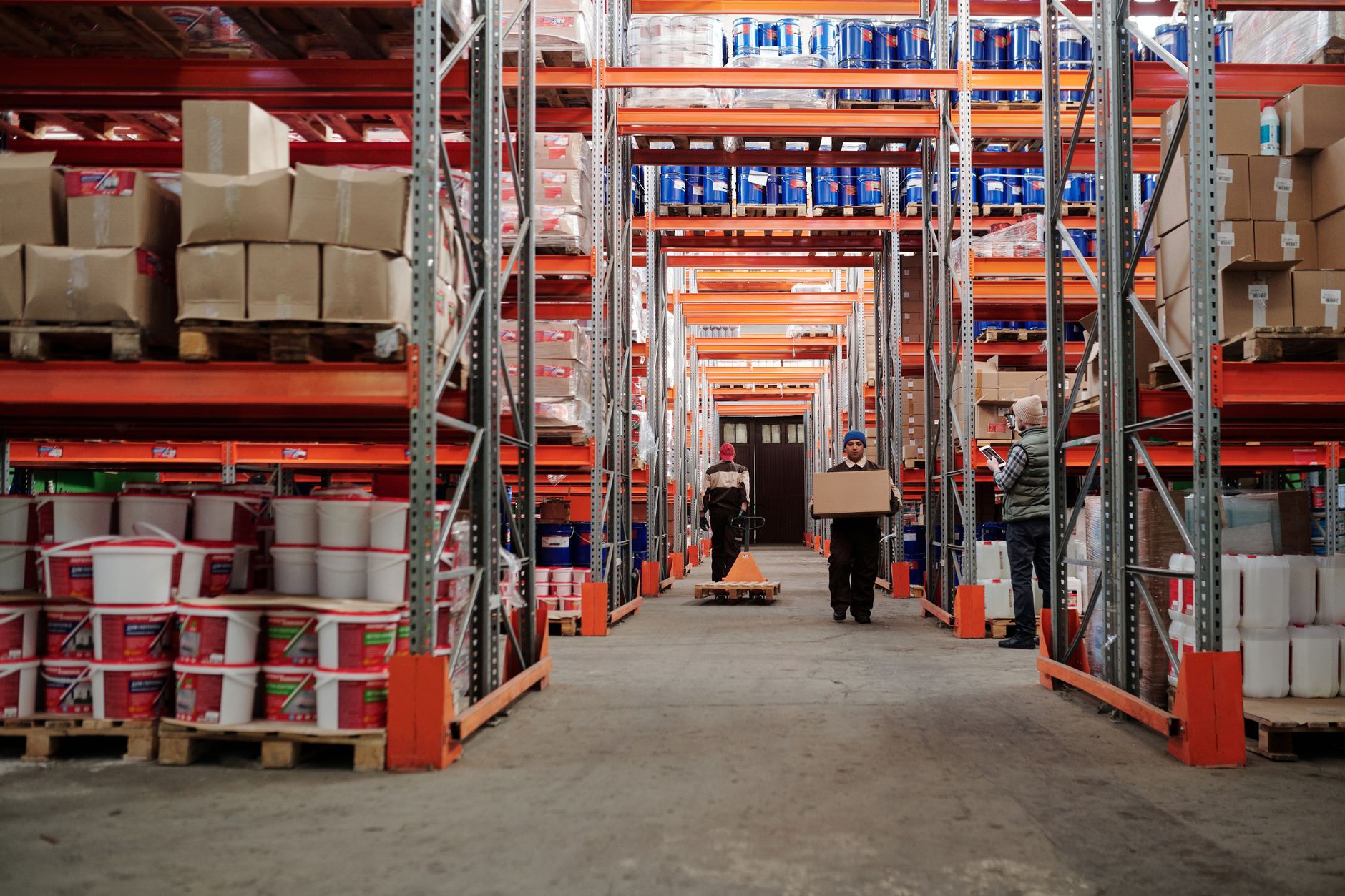
Businesses implementing AS/RS typically achieve 3-4 main benefits: increase warehouse productivity by 40-60%, reduce labor costs by 25-35%, optimize warehouse space by 30-50%, and reduce error rates from 5-8% down to 0.5-1%. Additionally, AS/RS improves service quality, reduces delivery time, and increases market competitiveness.
- Increased Productivity: One AS/RS crane handles 300-600 pick/put orders per day, while a worker handles only 80-120 orders. Productivity increases 3-5 times.
- Reduced Labor Costs: Requires fewer warehouse workers, who transition to higher-level positions (management, QC, packaging). ROI is typically achieved in 2-3 years.
- Space Optimization: AS/RS warehouses can be built up to 40m high, using 30-50% less floor space than traditional warehouses with the same capacity.
- Reduced Error Rates: Automated systems reduce picking errors and quantity recording errors from 5-8% down to 0.5-1%.
- Improved Occupational Safety: Reduces workplace accidents and occupational diseases caused by repetitive motion.
- Real-time Data: Provides 24/7 inventory updates, supporting faster business decisions.
Comparison: AS/RS vs Traditional Warehouse
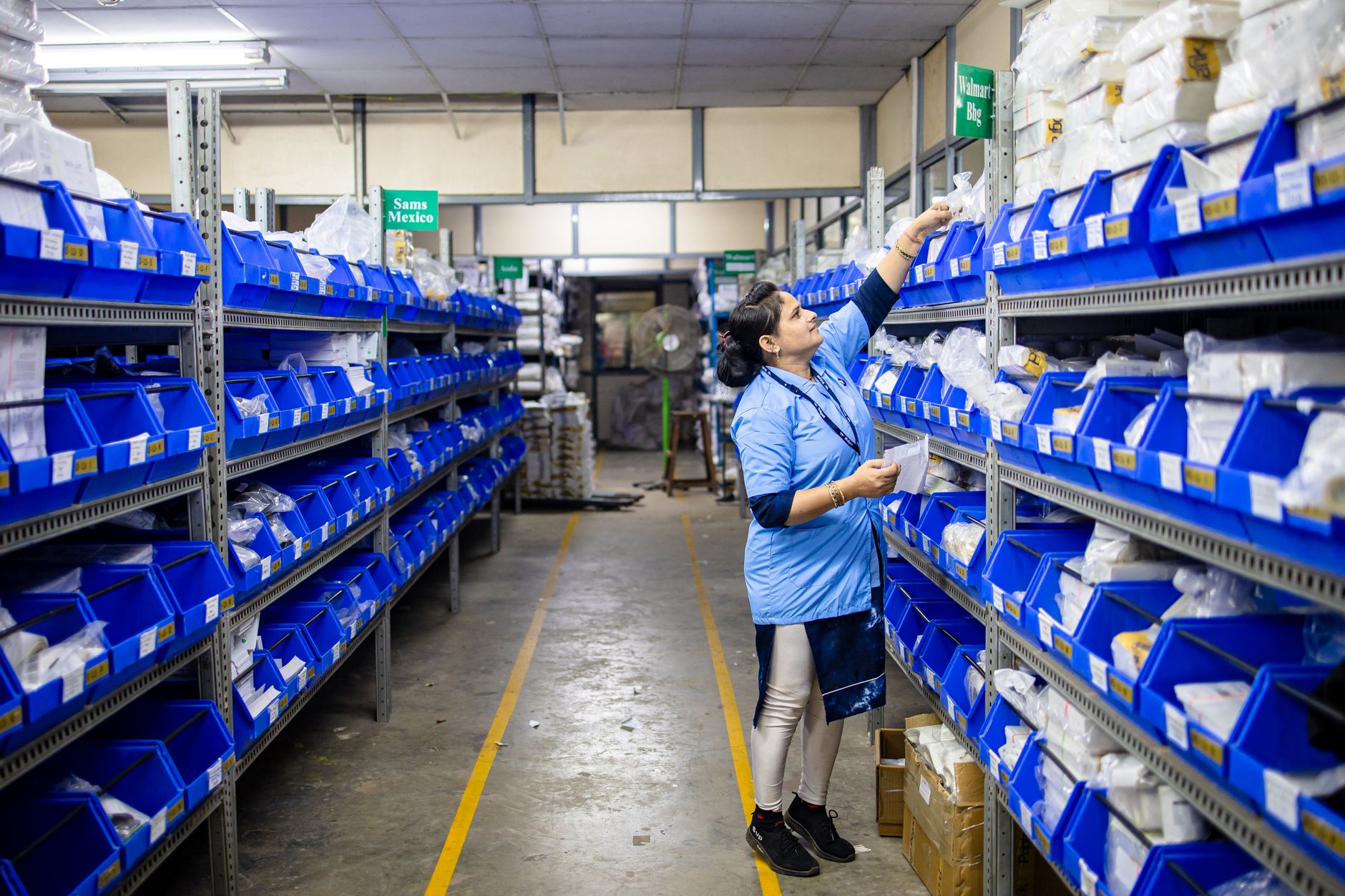
Traditional warehouses require large floor space, many workers, slow processing speed (15-25 minutes/order), and low accuracy (5-8% error rate). AS/RS, on the other hand: small footprint, fewer workers, fast speed (3-5 minutes/order), and high accuracy (0.5-1% error rate). The initial investment cost for AS/RS is higher, but the ROI is 2-3 years and operating costs are lower than traditional warehouses in the long term.
| Criteria | Traditional Warehouse | New Generation AS/RS |
|---|---|---|
| Floor area/1000 pallets | 800-1200 m² | 400-600 m² |
| Picking time/order | 15-25 minutes | 3-5 minutes |
| Error rate | 5-8% | 0.5-1% |
| Required workforce | 40-60 people | 10-15 people |
| Annual operating cost | 1.5-2.5 billion VND | 0.8-1.2 billion VND |
| Investment cost | 0.5-1 billion VND | 3-8 billion VND |
| ROI | N/A (fixed cost) | 2-3 years |
Common Mistakes When Implementing AS/RS
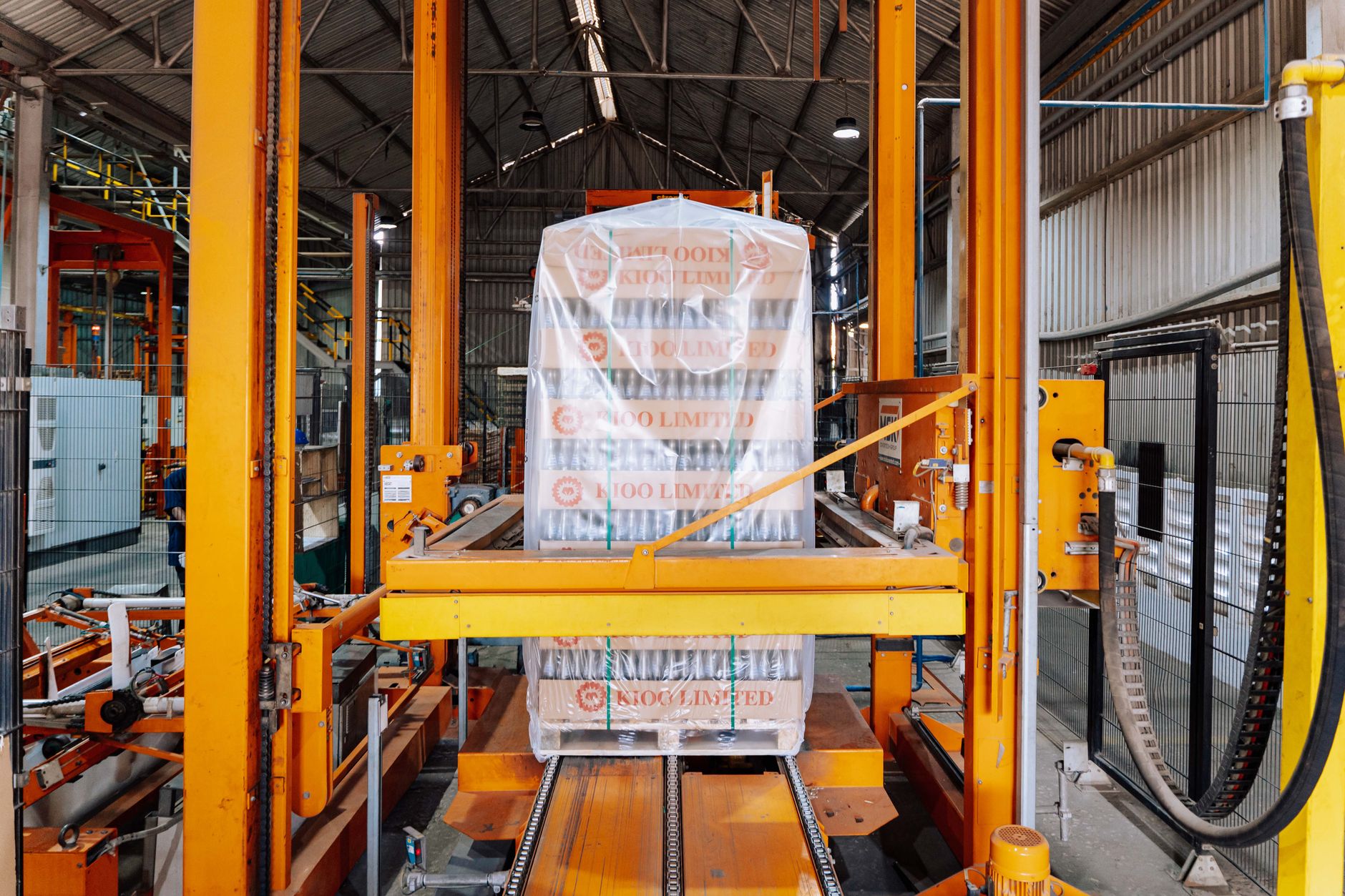
1. Choosing the wrong type of AS/RS for the product: Some businesses implement Unit Load AS/RS for small items, leading to wasted costs. It is necessary to carefully assess the volume, size, and characteristics of the goods before selecting the type.
2. Not planning integration with ERP/WMS: AS/RS works best when integrated with existing ERP or WMS systems. If this step is skipped, efficiency drops by 30-40%, and it may even run in parallel (inefficiently).
3. Underestimating maintenance and upgrade costs: AS/RS requires periodic maintenance, software updates, and may need hardware upgrades after 5-7 years. This cost typically accounts for 5-8% of the investment value per year.
4. Inadequate employee training: Employees need training on AS/RS operation, maintenance, and troubleshooting. Lack of training leads to downtime, operational errors, and reduced ROI.
5. Being too ambitious with scale: Implementing an overly large AS/RS from the start, exceeding actual demand, leads to wasted assets. It is advisable to start with a small module, verify its effectiveness, and then expand gradually.
AS/RS Trends 2026: AI, IoT, and Remote Control
In 2026, the new generation of AS/RS integrates 3 main technologies: (1) AI for demand forecasting and pre-order optimization, (2) IoT sensors for monitoring temperature, humidity, and safety, (3) Cloud-based remote control enabling multi-warehouse management from a single point. Companies like Honeywell, SSI Schäfer, and Modula have released these AI modules, and in Vietnam, warehouse rack suppliers like VietPOS Rack are integrating these technologies into their new product lines.
Criteria for Selecting Suitable AS/RS for Vietnamese Enterprises
To select the right AS/RS, businesses need to evaluate 6 criteria: (1) Warehouse volume and number of SKUs, (2) Weight and dimensions of goods, (3) Desired order processing speed, (4) Investment budget and expected ROI, (5) Integration capability with existing IT systems, (6) Expansion needs over the next 5-10 years.
- Warehouse Volume: If the warehouse has fewer than 500 pallets, AS/RS may not be necessary. For 500-5000 pallets, Mini Load or Carousel systems are suitable. For over 5000 pallets, Unit Load AS/RS is the optimal choice.
- Type of Goods: Heavy goods (>100 kg/unit) → Unit Load. Small goods (<20 kg) → Mini Load or VLM. Goods with varied sizes → Mobile Robots (more flexible).
- Processing Speed: If processing >500 orders/day is required, AS/RS is mandatory. If <200 orders/day, a traditional warehouse may suffice.
- Budget: AS/RS ranges from 2-10 billion VND depending on type and scale. An ROI of 2-3 years is a reasonable target.
- IT Integration: Ensure the AS/RS provider supports API integration with your current ERP/WMS (SAP, Oracle, VietPOS, NetSuite…).
- Expansion Plan: Choose an AS/RS with modular expansion capabilities, avoiding the need to replace the entire system.
Frequently Asked Questions about AS/RS
1. Can AS/RS be deployed for cold storage?
Yes, but specialized equipment is required. Manufacturers like Honeywell and SSI Schäfer offer AS/RS for cold storage (0 to -25°C), featuring moisture-proof cranes and motors, and special lubricants. Costs are 15-25% higher than standard AS/RS, but durability is 2-3 times greater.
2. How long does AS/RS deployment take?
From survey, design, manufacturing, to installation and testing, it typically takes 6-12 months depending on scale. Large Unit Load AS/RS can take 12-18 months. Advance planning is necessary, especially calculating warehouse downtime for installing the new system.
3. What is the annual maintenance cost for AS/RS?
It is typically 5-8% of the investment value per year, including periodic maintenance, spare parts replacement, software updates, and technical support. For example: a 5 billion VND AS/RS → maintenance cost of 250-400 million VND/year.
4. Can AS/RS handle irregularly shaped items?
Most traditional AS/RS (Unit Load, Carousel) only handle standard pallets/cartons. However, Mobile Robots (AMR) with AI vision can handle items of any shape. This is a trend for 2026, but costs are 30-50% higher than traditional AS/RS.
5. How to integrate AS/RS with the current ERP system?
It is necessary to use APIs or EDI to connect AS/RS with ERP/WMS. AS/RS providers often supply middleware or offer integration support. Choose a provider with experience integrating with popular ERPs in Vietnam (SAP, Oracle, VietPOS…). Integration time: 2-4 months.
6. Which businesses in Vietnam have successfully deployed AS/RS?
Large retail chains, logistics centers, and manufacturing plants have deployed AS/RS. Examples: e-commerce distribution warehouses, Binh Duong logistics centers, and textile warehouses in Ho Chi Minh City. However, the number is still limited compared to developed countries. By 2026, an additional 50-100 new AS/RS systems are expected in Vietnam.
If your business is considering deploying AS/RS or an automated warehouse, please contact Việt Đức Trí Group for detailed consultation, needs assessment, and a suitable deployment plan. Hotline: 0935 295 337 — Email: [email protected].