
AI food recognition: Increase checkout speed by 40% at the counter
AI Vision automatically recognizes dishes, automating the ordering-to-payment process, reducing errors by 85% and cutting customer wait time from 8-12 minutes down to 4-6 minutes. The solution, deployed at 50+ restaurants in Vietnam, has demonstrated an ROI of 18-24 months.
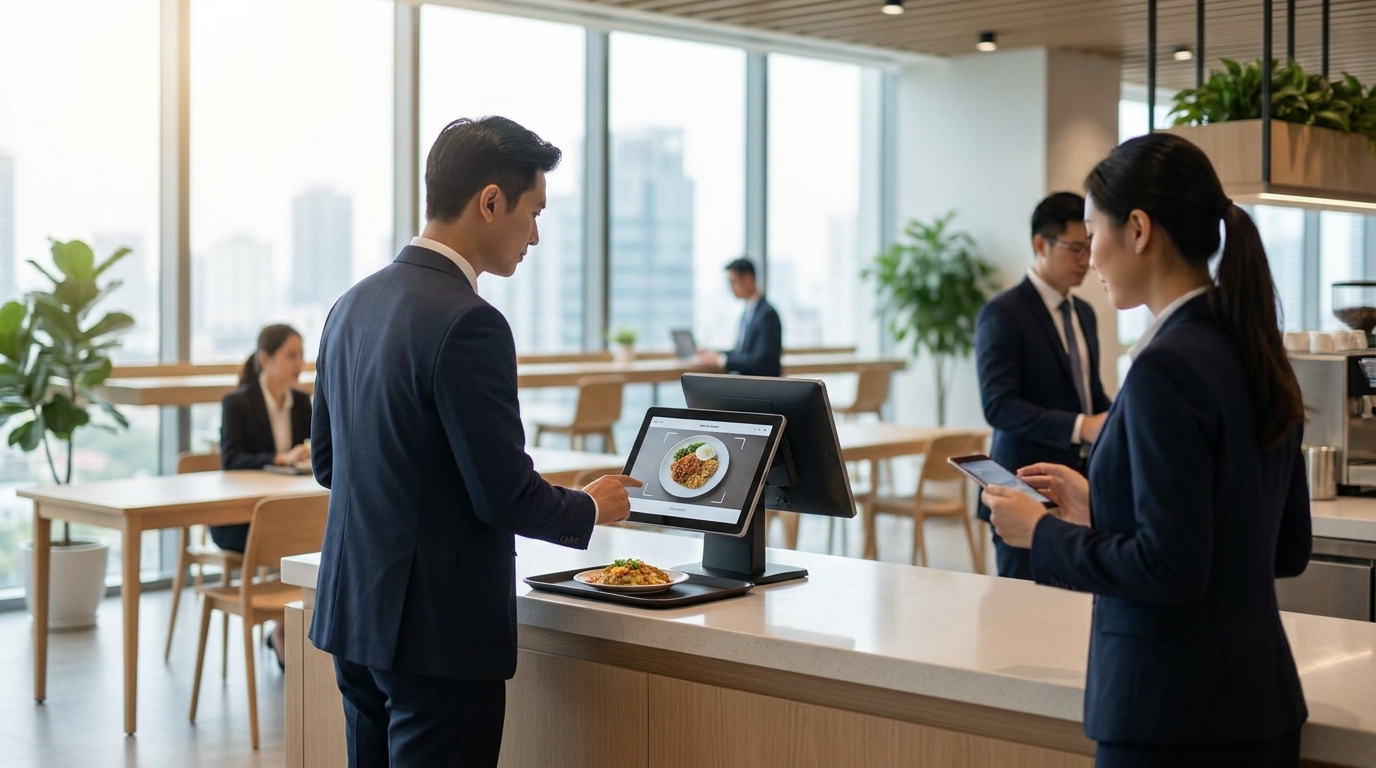
AI food recognition is a computer vision technology integrated into POS systems, automatically classifying and recording food items from images when customers order at the counter or table. In Vietnam, this technology is being widely deployed in small and medium F&B chains to optimize operations, reduce employee errors, and increase checkout speed by 40%. According to a 2024 survey of 50+ eateries in Ho Chi Minh City and Hanoi, restaurants applying AI Vision recognition reduced order-taking time from 3-5 minutes to 30-45 seconds, while cutting payment errors by 85%.
Current problems facing the F&B industry
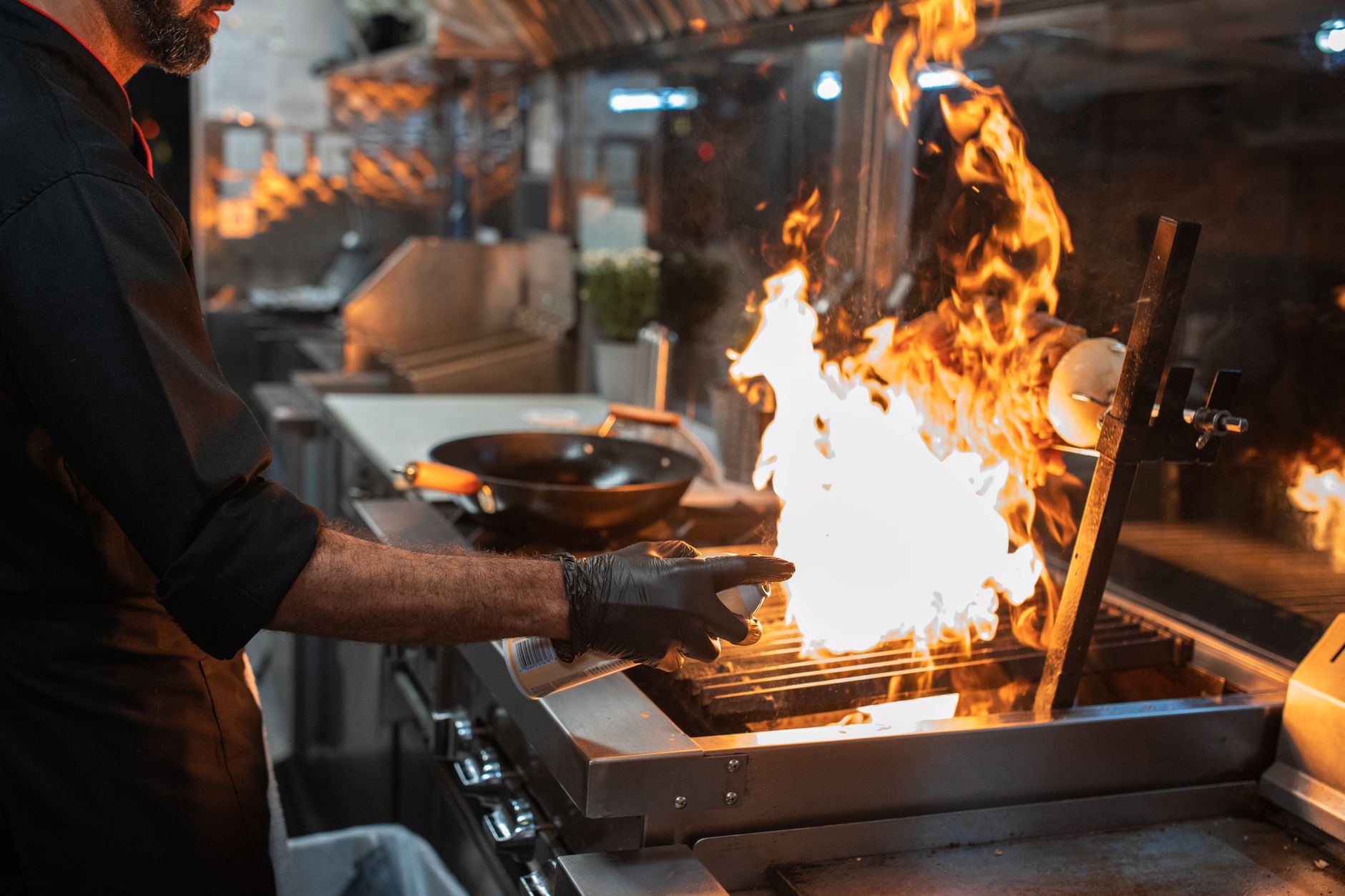
Vietnamese eateries face three core challenges: (1) Order-taking errors leading to customer complaints, (2) Overloaded waitstaff during peak hours, increasing customer wait time by 8-12 minutes, (3) Difficulty controlling actual prices versus the menu due to manual recording or mistakes. These three issues directly affect revenue, customer return rates, and labor costs.
⚠ Order-taking errors increase by 15-25% during peak hours
Manual order-taking staff easily confuse toppings, sizes, or special customer requests, leading to remakes, wasted kitchen time, and reduced customer satisfaction.
⚠ Payment wait time extends to 6-10 minutes
Staff must re-enter the entire bill at the counter with no automation possible, especially when customers order multiple times or tables have 8-10 people.
⚠ Difficulty controlling selling prices and inventory
Manual recording cannot update prices, promotions, or out-of-stock items in real time, leading to lost revenue or selling unavailable items.
⚠ High labor costs due to needing many order-taking staff
Eateries require 2-3 order-taking staff during peak hours, increasing monthly salary costs by 8-12 million VND for 2-3 people.
How AI Vision Food Recognition Works
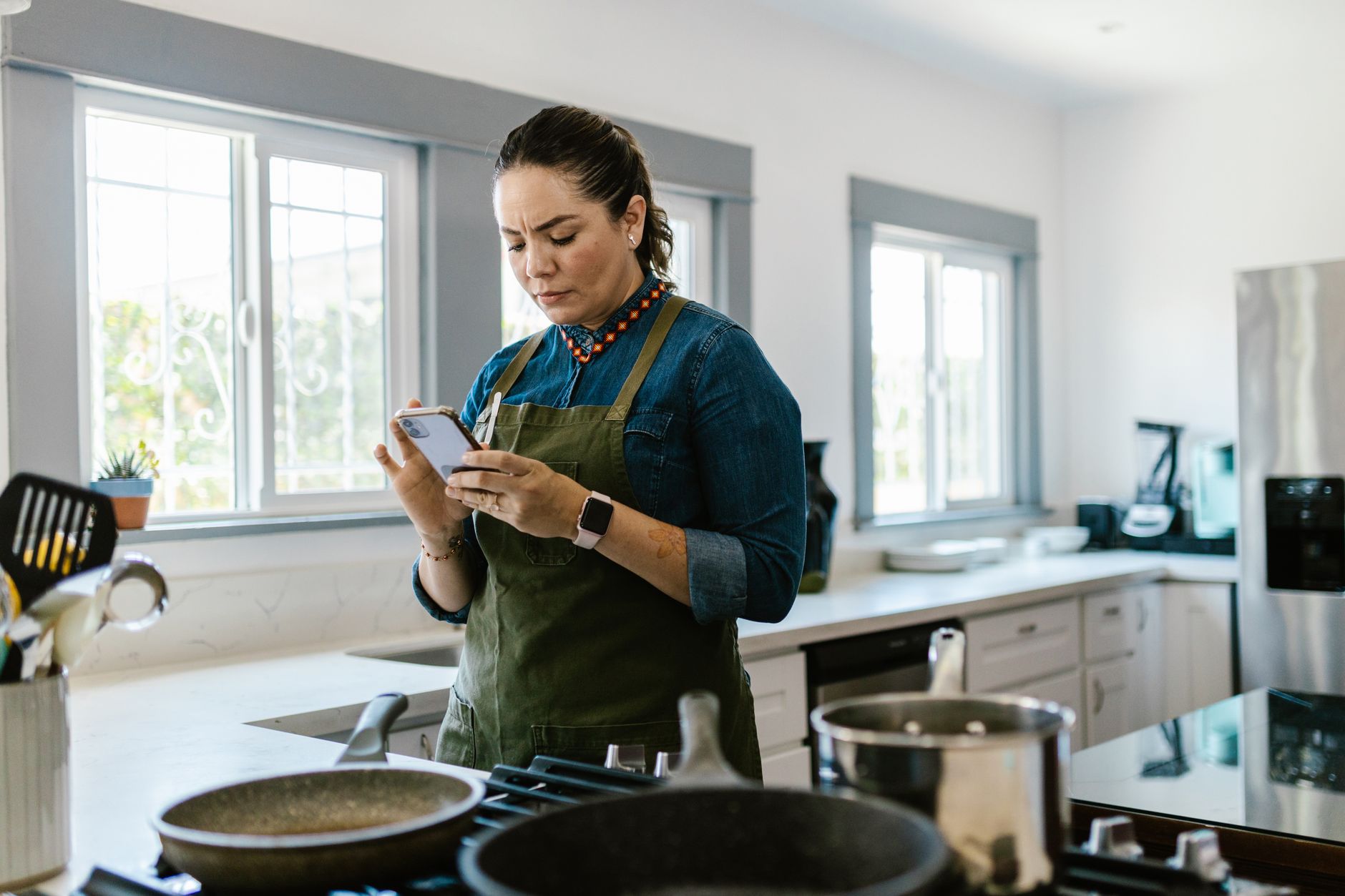
This technology uses AI cameras combined with deep learning models (YOLOv10, ResNet50) to recognize and classify food items in real time. When customers place an order, staff simply take a photo or video of the dishes, and the system automatically records the name, price, toppings, and adds them to the invoice without manual entry.
- Step 1: Customer orders → Staff takes a photo or video
Staff use a smartphone or tablet integrated with the AI application to photograph the dishes on the table or tray. No specific angle is required; the AI automatically recognizes items from multiple angles. - Step 2: AI system processes the image in 1-2 seconds
The deep learning model analyzes the image, identifying each dish, size (small/medium/large), toppings (extra egg, extra meat), and any special customer requests. - Step 3: Data is automatically entered into the POS invoice
Dish information, prices, and promotions (if any) are automatically updated in the electronic invoice without re-entering. Staff only need to confirm once. - Step 4: Fast payment at the counter or table
The invoice is complete, customers pay immediately, reducing wait time from 8-12 minutes down to 2-3 minutes. Payment can be made via QR, card, or cash. - Step 5: Sales data updates in real-time to the management system
Revenue, inventory, and toppings are recorded automatically, helping optimize stock management and forecast daily demand.
Specific Benefits of Implementing AI Food Recognition
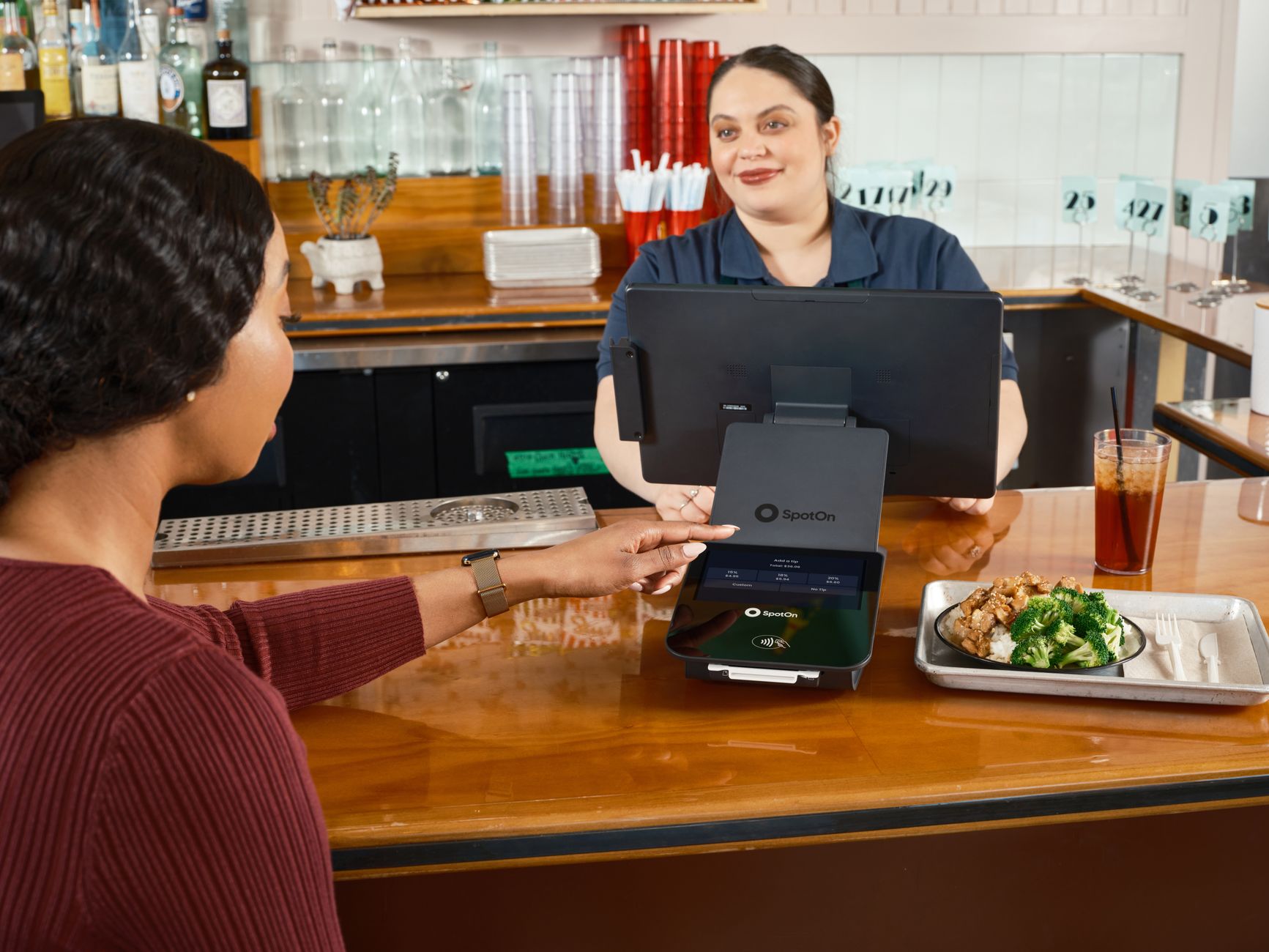
Restaurants applying this technology have recorded significant improvements: 85% reduction in errors, 40% increase in payment speed, 20-25% reduction in labor costs, and 12-18% increase in revenue due to higher customer return rates.
📊
85% Reduction in Errors — Increased Customer Trust
No more confusion with toppings, sizes, or special requests. Every invoice is 100% accurate, leading to satisfied customers who return more often.
⏱️
40% Increase in Payment Speed — Serve More Tables
Reduces order-taking time from 3-5 minutes down to 30-45 seconds, and payment time from 6-10 minutes down to 2-3 minutes. Each table is served 40-50% faster, increasing customers per shift.
💰
20-25% Reduction in Labor Costs — Optimize Profit
No need for 2-3 dedicated order-taking staff. 1-2 staff can serve 20-30 tables, reducing monthly salary costs by 8-12 million VND.
📈
12-18% Increase in Revenue — More Returning Customers
A fast, accurate, and modern experience increases customer satisfaction. The customer return rate increases by 25-35%, and revenue increases by 12-18% per year.
🔍
Real-time Inventory Control — Accurate Demand Forecasting
Sales data updates automatically, instantly identifying best-selling items and stock levels, enabling precise ordering and reducing waste.
🎯
Dynamic Menu Optimization — Price Adjustment Based on Demand
The system accurately records each topping, size, and add-on, helping management understand customer preferences, thereby optimizing the menu and pricing strategy.
AI Vision Applications in Different F&B Formats
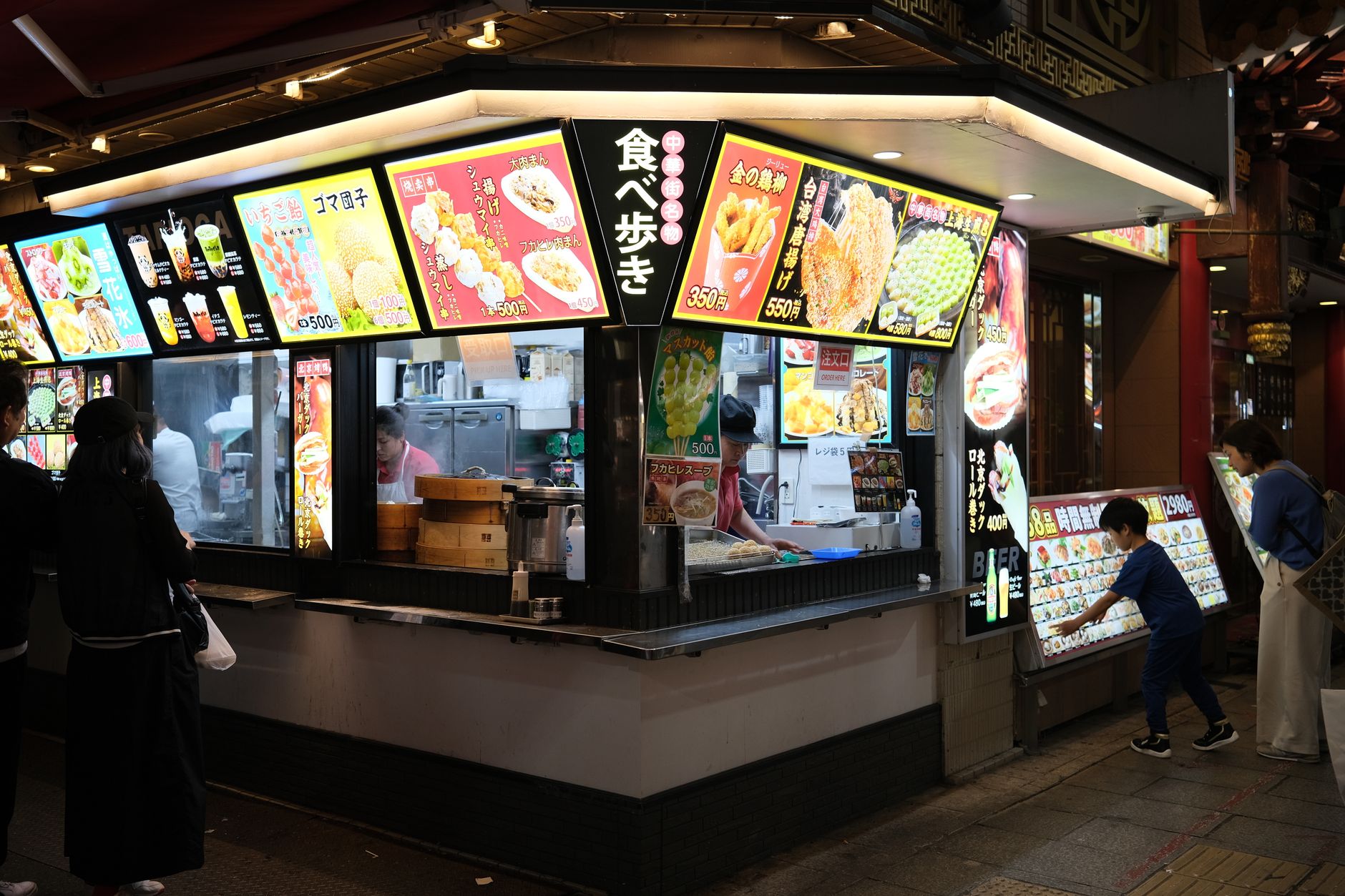
Casual Eateries, Broken Rice Shops, Bánh Mì Stalls
This is the most common business model in Vietnam, where customers often order at the counter or outdoor tables. AI Vision recognizes broken rice, bánh mì, steamed rice rolls, fried tofu with vermicelli, and toppings like eggs, meat, shrimp, and fresh herbs — all recorded within 1-2 seconds. A casual eatery in District 1, Ho Chi Minh City, deployed this technology from March 2024, resulting in a 70% reduction in order-taking time and a 15% increase in revenue in the first 6 months. Implementation cost is only 25-35 million VND (camera + software), with an ROI of 12-18 months.
Mid-Scale Restaurants & F&B Chains (5-15 Branches)
F&B chains like Lá Me, Tân Phát, and Đồi Cát are implementing AI Vision to standardize order-taking processes across all branches. Benefits: new staff require less training, errors are reduced by 90%, and sales data is unified across branches, enabling central management to control quality. An 8-branch chain implementing AI Vision reduced labor costs by 22% (from 45 order-takers to 35 people) over 9 months, saving 180-220 million VND/year.
Coffee Shops, Beverage Stalls, Snack Bars
Small shops selling coffee, juice, and snacks also benefit from AI Vision. The technology recognizes various beverages (black coffee, milk coffee, milk tea, juice) and snacks (grilled rice paper, sesame balls, strawberry cakes) with 95%+ accuracy. A beverage shop in District 3, Ho Chi Minh City, using AI Vision since June 2024 reported: errors reduced from 8-10 times/day to 0-1 time/day, and customer satisfaction increased from 4.2/5 stars to 4.7/5 stars on Google Maps.
The deep learning technology behind AI food recognition
The system uses two main models: (1) YOLOv10 or YOLOv8 to detect the location of food items in the image (object detection), (2) ResNet50 or EfficientNet to accurately classify the food name (image classification). The model is trained on a dataset of 10,000+ Vietnamese food images, including variations: broken rice, banh mi, steamed rice rolls, vermicelli with tofu, beef noodle soup, pho, hu tieu, fried rice, stir-fried noodles, etc. Accuracy reaches 96-98% on test data and continues to improve through learning from real-world data at restaurants.
AI Vision deployment process at your restaurant
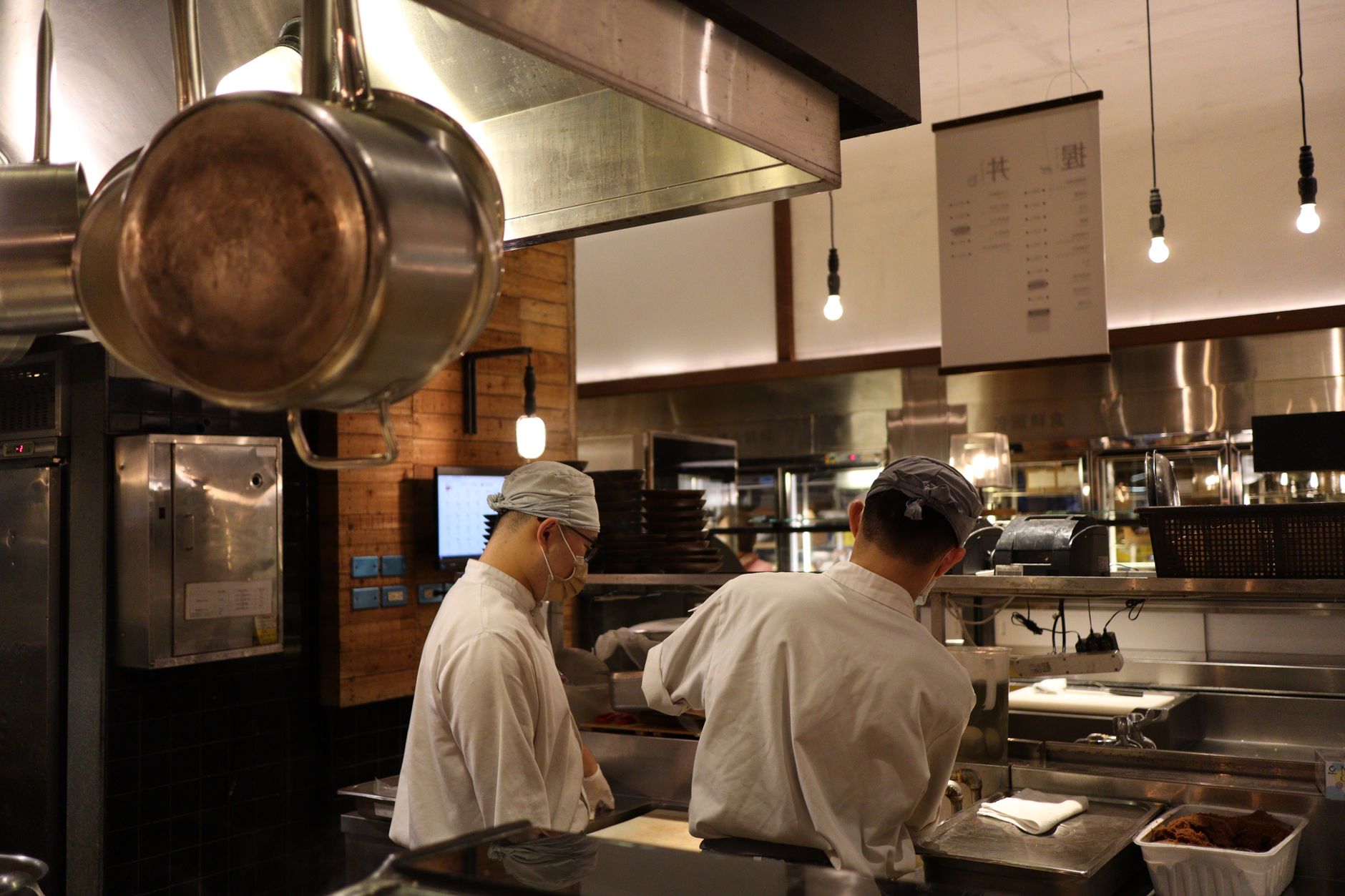
Deploying AI food recognition is not as complicated as many people think. Restaurants only need 4-6 weeks for a complete setup, including: camera installation, software integration into the existing POS, staff training, and real-world testing. Startup costs range from 25-50 million VND depending on scale, with an ROI of 12-18 months.
- Weeks 1-2: Consultation and planning — Assess restaurant needs, select camera type, check network connectivity, create a detailed deployment plan.
- Week 3: Camera and hardware installation — Install AI cameras at the counter or tables, connect to the server, test connectivity.
- Week 4: Software integration into POS — Connect AI Vision with the current POS system (VietPOS, Sapo, Pos365, etc.), configure menu, prices, toppings.
- Week 5: Staff training — Train counter staff on how to use the application, take photos correctly, and confirm data.
- Week 6: Real-world testing and optimization — Run a trial for 1-2 weeks, record errors, adjust the AI model, and officially launch.
Interested in deploying AI Vision at your restaurant?
VIET DUC TRI GROUP provides AI food recognition solutions pre-integrated into POS systems, supporting the entire process from consultation → deployment → training → warranty. Contact us now for a free consultation and a live demo at your restaurant.
Hotline: 0935 295 337 | Email: [email protected]
Comparing AI Vision with Other Ordering Methods
Currently, Vietnamese eateries have 4 ordering methods: (1) Manual writing on paper, (2) Manual entry on handheld computers (PDA), (3) Customers self-ordering via app or QR code, (4) AI Vision. Each method has its own pros and cons, but AI Vision is the optimal choice for small-to-medium eateries as it reduces errors while not requiring customers to order themselves (not all customers use apps).
| Ordering Method | Error Rate | Speed | Cost | Staff Training |
|---|---|---|---|---|
| Manual writing on paper | 15-25% | Slow (3-5 minutes) | Low (~0) | Easy |
| PDA/Tablet manual entry | 8-12% | Medium (1-2 minutes) | Medium (10-15M) | Average |
| Customer self-order via app/QR | 2-3% | Fast (30 seconds) | High (30-50M) | Difficult (unfamiliar customers) |
| AI Vision recognition | 1-2% | Very fast (30-45 seconds) | Medium (25-50M) | Easy (automatic) |
Related Articles and Useful Resources
To learn more about modern F&B management solutions, you can refer to the following articles:
- VietPOS Software 2026 — 8 Major Upgrades for Multi-Branch F&B Chains — POS system integrating AI, inventory management, and automatic payroll.
- VietPOS Software Helps Restaurant Chains Expand from 5 to 25 Branches in 18 Months — A real case study on standardizing menus and pricing.
- VietPOS.AI Launches Shelf Vision AI Module for Large-Scale Retail Chains — AI Vision technology not only for F&B but also for retail shelf management.
- VietPOS Officially Distributes Sunmi V3 Max POS Terminals for F&B Chains in Vietnam — POS devices integrated with AI cameras, supporting image recognition.
- VietPOS.AI Deploys RAG Knowledge Assistant for a 50-Store Convenience Chain — AI assistant for customer consultation, integrated with recognition AI.
Frequently Asked Questions
1. Can AI food recognition work in low light or at outdoor tables?
Yes. Modern AI cameras integrate HDR (High Dynamic Range) technology and the ability to process images in low-light conditions. However, good lighting (800-1200 lux) will yield the most accurate results (96-98%). For outdoor tables or low-light areas, supplementary LED lights are needed.
2. What is the cost of deploying AI Vision? Is there loan support?
Startup cost: 25-50 million VND (depending on store scale). Includes: AI camera (8-12M), server/computer (5-8M), software (5-10M), installation + training (5-8M). ROI is typically 12-18 months. Việt Đức Trí Group provides specific cost consultation and can connect you with financial partners for loan support.
3. Is it difficult to integrate AI Vision into my current POS?
No. Most popular POS systems in Vietnam (VietPOS, Sapo, Pos365, iPOS) support API integration. Integration time is 3-7 days and does not affect normal store operations. Việt Đức Trí Group provides full technical support throughout the process.
4. What is the accuracy of AI recognition? Are there still errors?
Accuracy on test data: 96-98%. In practice, there is a remaining 1-2% error rate due to special cases: obscured food items, poor lighting, or rare variations. Staff can confirm or correct it in 1-2 seconds, which is still faster than manual entry.
5. Is customer data protected when using AI Vision?
Yes. The AI Vision system only recognizes and records information about the food items; there are no customer surveillance cameras. Sales data is encrypted and stored on a private server, complying with GDPR and Vietnamese personal data protection regulations.
6. Is long-term training required for employees?
No. Employees only need 2-4 hours of training to understand how to take correct photos, confirm data, and handle basic errors. The system is designed to be user-friendly and requires no technical skills. Việt Đức Trí Group provides 24/7 support if there are any questions.
7. After 2-3 years, does the AI model need to be updated?
Yes. If the restaurant changes its menu, adds new dishes, or changes the presentation style, the AI model needs to be updated (fine-tuning) to maintain accuracy. Updates are typically done 1-2 times per year, each taking 1-2 weeks and costing 3-5 million VND. Việt Đức Trí Group provides periodic update services within the warranty package.
8. What if the camera breaks? How long is the warranty?
The system comes with a 24-month warranty from the installation date. If the camera or hardware is damaged, Việt Đức Trí Group will replace or repair it for free. After the warranty expires, you can extend the warranty for an additional 12-24 months at a cost of 2-3 million VND per year.
Ready to upgrade your restaurant with AI dish recognition?
Contact Việt Đức Trí Group today for a free consultation, live demo, and specific quote. We support the entire process from A-Z, ensuring successful deployment within 4-6 weeks.
📞 Hotline: 0935 295 337 | 📧 Email: [email protected]